When choosing sardines for children’s dinner, compare the ‘of which sugars’ figure per 100 g rather than relying on the words ‘reduced sugar’ alone. Some plain varieties from Connétable and Auchan show 0 g or less than 0.5 g of sugars per 100 g, but these figures alone do not prove a reduction compared with another product. If bones make mealtimes tricky, look for varieties explicitly labelled boneless or for fillets, then compare the salt, ingredients and drained weight of each product.
Who are these options for?
Parents comparing sugar levels
You want to choose a tin for dinner without relying on a claim on the packaging. The ‘of which sugars’ figure lets you compare products per 100 g; the plain varieties featured by Connétable and Auchan show 0 g or less than 0.5 g, depending on the product.
Parents who find bones make mealtimes tricky
Your child prefers something other than whole sardines. Sardines explicitly labelled skinless and boneless, and fillets, are two options to consider; check the product description before serving.
Parents also comparing salt and portion size
You want to compare several tins using their nutritional values per 100 g, ingredient lists and net drained weight. These details help you compare the recipe and the amount of fish once drained, without assuming that all plain sardines are the same.
What should you look for?
For dinner, start with the factor that matters most: sugar content, bones, or comparing salt and portion size. Then check the other details on the tin you choose.
| Criteria | What to check | Who it matters to |
|---|
| Sugars |
Compare the ‘of which sugars’ figure per 100 g and the ingredient list for each recipe. |
If I want to limit sugars at dinner, I need to know the figure for the specific product rather than rely on its name; around 36% of consumers make this a priority. |
| Bones and presentation |
Look for an explicit ‘boneless’ or ‘fillets’ description; don’t assume they mean the same thing. |
When bones make a meal difficult to serve, I first look for a presentation that avoids this obstacle; around 36% of consumers put this need first. |
| Salt and quantity |
Check the salt per 100 g, then the net drained weight to find out how much fish you’ll get. |
When preparing a meal, I want to compare recipes by their salt content and the amount available after draining; around 28% of consumers prioritise this comparison. |
These criteria won’t point to one clear winner: a boneless option may be easier to serve, while another product may have a different salt figure. Always compare the products you’re actually considering buying.
Points to bear in mind
-
Confusing ‘0 g of sugars’ with ‘reduced sugar’
A figure of 0 g per 100 g describes a product’s declared sugar content; on its own, it doesn’t show that the product has been reduced compared with another.
When choosing a tin, check the ‘of which sugars’ figure per 100 g and the ingredients for that specific product.
-
Assuming all plain sardines have the same salt content
Depending on the product, the plain varieties featured by Auchan and Connétable list between 0.66 g and 1 g of salt per 100 g.
Compare the figures on the same per-100 g basis, especially if you’re serving the sardines with other salty foods.
-
Choosing whole sardines without thinking about the bones
A tin of whole sardines isn’t the same as a product explicitly labelled boneless or a tin of fillets. This can make a difference to how you prepare the meal.
If bones are a concern, check the description first, then compare sugars, salt and drained weight.
-
Forgetting about fish as an allergen and storage instructions after opening
Sardines contain fish, an allergen to consider when choosing a meal. Once opened, the tin should be stored according to the instructions on its label.
Check the allergens highlighted in the ingredients list and follow the storage instructions for the specific product.
Brands to know
These ranges offer options for comparing plain sardines, fillets and seasoned recipes. The details listed apply to the specific products mentioned, not every product from each brand.
Connétable
Connétable offers whole sardines in a plain recipe, as well as a plain variety that is skinless and boneless.
- The Connétable La Sardine Nature product listing states 0 g of sugars and 0.90 g of salt per 100 g.
- The Auchan listing for the Connétable skinless and boneless variety also states 0 g of sugars, but 1 g of salt per 100 g. Compare the products separately.
Saupiquet
The Saupiquet range includes plain fillets, whole sardines and seasoned recipes.
- With different presentations available, you can start by choosing the format and seasoning you’re looking for.
- To compare sugars and salt, check the nutritional information for each recipe rather than treating the range as a single product.
Auchan
Auchan offers whole sardines in a plain recipe and plain fillets, two formats to compare depending on how you plan to serve them.
- Auchan’s product listings show less than 0.5 g of sugars per 100 g for both of these varieties.
- The salt content differs: 0.66 g per 100 g for the whole sardines featured and 0.85 g per 100 g for the fillets featured.
Pêche Océan
E.Leclerc offers whole sardines in a plain recipe and plain fillets under the Pêche Océan brand, as well as other recipes.
- The formats listed by E.Leclerc include 95 g whole sardines in a plain recipe and 70 g plain fillets.
- To compare these products by sugars or salt, check the nutritional information on each pack.
Sardines available on Joybuy
These tins come in different varieties, including sardines in water, in oil and as fillets. First choose the presentation that suits the meal, then check the nutritional information and label for the specific product.
 Image unavailable
Connétable Sardines in Extra Virgin Olive Oil 140 g
A recipe in extra virgin olive oil to consider if this seasoning suits your dinner. If bones are a deciding factor, check the exact presentation before serving; also compare the sugars and salt on the label.
View on Joybuy
 Image unavailable
Connétable Boneless Sardines in Water 98 g
A boneless option to consider if bones make mealtimes tricky. The title specifies a preparation in water; check the ingredients and nutritional values if flavour and salt matter to you.
View on Joybuy
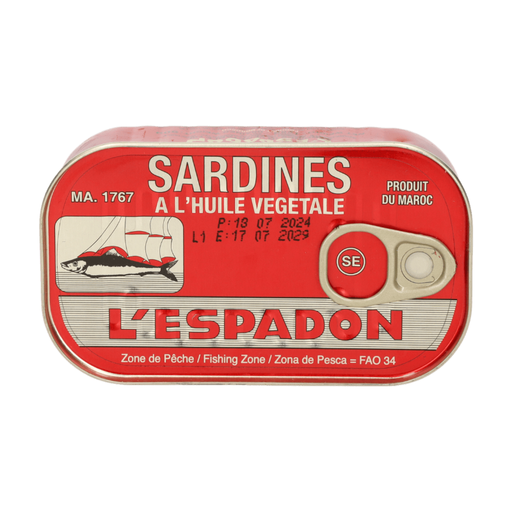 Image unavailable
L’Espadon Sardines in Oil 125 g
An oil-based recipe for meals where this seasoning is welcome. If bones are a concern, check how the sardines are presented, and look at the drained weight to plan how much to serve.
View on Joybuy
 Image unavailable
El Tato Sardine Fillets in Olive Oil 115/81 g
Fillets may suit you if you’d rather serve pieces than whole sardines. Don’t assume that ‘fillets’ means the product is explicitly boneless; check this, then compare the salt per 100 g.
View on Joybuy
 Image unavailable
El Tato Small Sardines 16/20u in Olive Oil 115/81 g
Compare these small sardines in olive oil with fillets if the shape of the fish matters for your meal. Check the information about bones, allergens and drained weight before choosing.
View on Joybuy
Frequently asked questions
Are plain sardines with 0 g of sugars ‘reduced sugar’?
No. This figure isn’t enough to prove a reduction compared with another product. To choose between tins, compare the ‘of which sugars’ figure per 100 g and the ingredients list for each one.
What should I do if my child is allergic to fish?
Don’t choose sardines for a child with a known fish allergy. Fish is an allergen to look out for in the ingredients list of prepacked products. For advice specific to your child, follow the guidance of the healthcare professional who knows them.
How should I store sardines after opening the tin?
Follow the storage instructions and time limit shown on the tin you’ve chosen. Instructions may vary between products, so check them before keeping a portion for another meal.


