To choose sardines with less sugar to take camping, compare the “of which sugars” figure for the exact recipe rather than relying on a “reduced sugar” claim. Connétable lists 0 g per 100 g for its plain, skinless and boneless variety, compared with 1.4 g per 100 g for its sundried tomato recipe. Choose a size you can finish at one meal, check that the tin is in good condition and follow the storage instructions after opening, especially if you don’t have a cool box.
Who are these options for?
Campers without a cool box
If you plan to eat your sardines cold, choose a tin that suits the number of people so you don’t have any leftovers to store. Check the instructions for after opening: an Auchan variety in olive oil must be kept in the fridge.
Campers keeping an eye on sugars and ingredients
Plain sardines, those in oil and marinated varieties don’t necessarily have the same nutritional values. The “of which sugars” figure and ingredients list for the tin you choose are more useful than a generic keyword.
People who prefer to avoid bones
If you’d rather not remove bones at the campsite, look for a variety explicitly labelled boneless. Connétable, for example, offers a plain variety with no skin or bones. Check this feature on the specific size you’re buying.
What should you check before buying?
For a camping meal, start with the amount you can eat, then compare the recipe and check the tin before you set off. A low sugar content doesn’t mean you can ignore the salt or storage instructions.
| Criteria | What to check | Who it matters to |
|---|
| A meal with no leftovers |
Compare the drained net weight with the number of portions you need and check whether the sardines have bones. |
I want to open the tin at the campsite, eat the sardines cold and have nothing left to store. This would be a priority for around 42% of consumers. |
| Sugars and ingredients |
Check the “of which sugars” figure per 100 g and the ingredients list for the exact recipe, especially for sauces and marinades. |
If I choose a flavoured recipe, I want to know how much sugar it contains rather than rely on its name. Around 33% of consumers would put this check first. |
| Condition and storage |
Check the tin, the best-before date and the instructions for after opening. |
When I pack tinned food, I want to be able to spot a damaged tin and follow its storage instructions. This would be a priority for around 25% of consumers. |
Mistakes to avoid
-
Assuming all sardines contain the same amount of sugar
Recipes vary: Connétable lists 0 g of sugars per 100 g for its plain, skinless and boneless sardines, but 1.4 g per 100 g for its sundried tomato recipe. Auchan’s lemon and basil marinade lists sugar among its ingredients, yet contains less than 0.5 g of sugars per 100 g.
Compare both the “of which sugars” figure and the ingredients for the specific recipe.
-
Opening a large tin without planning for leftovers
For its variety in olive oil, Auchan advises refrigerating the sardines and eating them within two days of opening. This matters if you don’t have reliable refrigeration at the campsite.
Choose an amount everyone can finish with their meal, and follow the instructions on the tin you buy.
If you can’t store the leftovers as instructed, some of the contents may go to waste.
-
Packing a tin that’s bulging, rusty or misshapen
The DGCCRF lists these as possible signs that a metal tin of food has spoiled.
Check the tins before you set off and before opening them. If you have any doubts about a tin, don’t eat its contents.
-
Only checking the sugars
Connétable’s plain, skinless and boneless variety also lists 0.90 g of salt per 100 g drained. Sugars and salt are two separate considerations.
If salt matters to you, compare the figures on the tins you’re considering, as Anses recommends when reading food labels.
Brands to compare
Connétable
Alongside plain sardines with no skin or bones, Connétable offers varieties in olive oil and cooked recipes. Compare each product rather than assuming the same figures apply across the range.
- According to Connétable, its plain, skinless and boneless variety contains 0 g of sugars, 22 g of protein and 0.90 g of salt per 100 g drained.
- The sundried tomato recipe contains 1.4 g of sugars and 23 g of fat per 100 g. These figures don’t apply to the plain variety.
Saupiquet
The plain sardine fillets listed by Carrefour are a simple option that you can add to yourself when you’re ready to eat.
- The variety listed by Carrefour contains sardine fillets, water and salt.
- To compare portions or salt content, check the information for the specific product and size you choose.
Carrefour Classic’
The plain sardines listed by Carrefour have a drained net weight of 95 g, which you can compare with the portion you need.
- The listed ingredients are sardines, water and salt. The nutritional information shows 151 kcal and 6.2 g of fat per 100 g.
- The drained weight and nutritional information apply to this variety and may not be the same for other Carrefour Classic’ recipes.
Auchan
The olive oil and oil-free lemon and basil recipes show why it’s worth reading the ingredients and nutrition table together.
- According to Auchan, the oil-free lemon and basil recipe lists sugar among its ingredients, while declaring less than 0.5 g of sugars per 100 g.
- Auchan says the ingredients in its olive oil variety may vary depending on the delivery service and purchase date, so check the tin you choose.
Sardines to consider on Joybuy
These tins of sardines in water or oil offer different recipe and size options for a camping meal. Before you set off, compare their labels and make sure you follow the instructions for each tin after opening.
 Image unavailable
CONNÉTABLE Boneless Sardines in Water, 98 g
Worth considering if removing bones during your meal isn’t practical. Check the recipe and instructions for after opening on the tin you receive, especially if you don’t have a cool box.
View on Joybuy
 Image unavailable
CONNÉTABLE Sardines in Extra Virgin Olive Oil, 140 g
An olive oil recipe to compare if you’d like to eat your sardines cold. To choose the right amount for your meal, check the drained weight on the label and follow the instructions for any leftovers.
View on Joybuy
 Image unavailable
El Tato Small Sardines in Olive Oil, 16/20u, 115/81 g
The 115/81 g size can be compared with the portion you’re planning for a cold meal. If you’d rather avoid bones, check this on the tin before you choose it.
View on Joybuy
 Image unavailable
CONNÉTABLE Sardines in Extra Virgin Olive Oil, 135 g
Consider this 135 g size in relation to the number of people you’re serving. To check how much sardine you’ll get and whether the recipe suits your preferences, look at the drained weight and the information about bones on the tin.
View on Joybuy
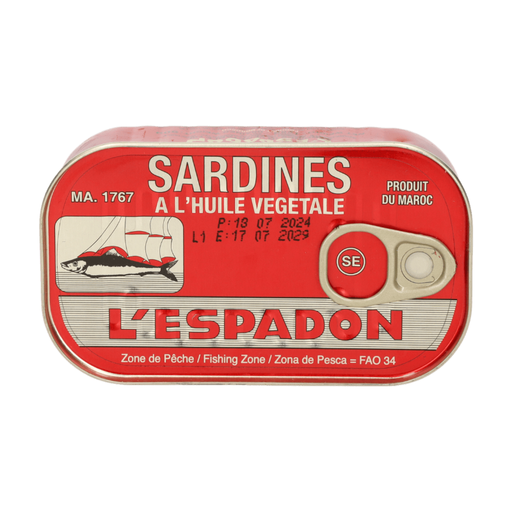 Image unavailable
L’Espadon Sardines in Oil, 125 g
Worth comparing if you’re looking for sardines in oil for a cold meal. The listed size is 125 g. If these details matter to you, check the drained weight, whether the sardines have bones and the manufacturer’s name on the packaging.
View on Joybuy
Frequently asked questions
Should I look for sardines labelled “reduced sugar”?
No. That alone isn’t enough to help you choose a low-sugar recipe. Connétable lists 0 g of sugars per 100 g for its plain, skinless and boneless variety, compared with 1.4 g per 100 g for its sundried tomato recipe. Compare the “of which sugars” figure and ingredients for the specific product.
Can I take a tin of sardines camping without a cool box?
You can transport an unopened tin without a cool box if you follow the packaging instructions and the tin is intact. The DGCCRF lists bulging, rust and dents as possible signs that the contents may have spoiled. If you have any doubts, don’t eat them.
What should I do with leftover sardines after opening?
Follow the instructions on the tin you’ve bought rather than keeping leftovers without refrigeration. For the olive oil variety it reviewed, Auchan says to refrigerate after opening and eat within two days. If you can’t follow this advice, plan to finish the tin with your meal.
What should I read on the label if I have a food allergy?
Read the full ingredients list and any allergens highlighted on the exact tin, including those in a sauce or marinade. The DGCCRF reminds consumers that allergens must be highlighted on the labels of prepacked foods.


