Festival-goers keeping an eye on portions
If you’re planning several meals, compare the number of tins and the amount of drained fish. A multipack could work if you’re happy to eat whole sardines and can keep each tin sealed until mealtime.


For camping or a festival without a cool box, choose ready-to-eat tinned sardines in a size you can finish in one sitting. To compare portions, check the drained weight rather than just the weight of the tin. If you’d rather avoid bones, look for ‘fillets’ or ‘boneless’ on the label.
If you’re planning several meals, compare the number of tins and the amount of drained fish. A multipack could work if you’re happy to eat whole sardines and can keep each tin sealed until mealtime.
An unopened tin can be part of a no-cook meal, as long as you follow its storage instructions and keep it away from heat. If you can’t refrigerate it after opening, choose a portion you can finish straight away.
Fillets or products labelled boneless are a good choice if you’d rather not deal with bones. Check the seasoning too: a spicy sauce may not suit everyone sharing the meal.
First, choose a portion to suit the meal and storage conditions. Then compare the drained weight, recipe and whether the sardines contain bones.
| What to check | Things to look for | Who this matters to |
|---|---|---|
| Size and portion | Compare the number of tins, the net weight and the stated drained weight for sardines in oil or sauce. | When planning several meals, I want to know how much fish each tin will provide. Around 36% of consumers put portion size first. |
| Storage | Read the instructions for before and after opening. Check the condition of the tin and plan to finish it if you don’t have access to a fridge. | Without a cool box, I’m looking for a sealed tin I can carry and open just before eating. This is the priority for around 29% of consumers. |
| Recipe | Check the ingredients, seasoning and allergens on the label of the tin you choose. | If I’m sharing a meal, I prefer a recipe where everyone can check the ingredients and is happy with the seasoning. This matters most to around 21% of consumers. |
| Bones | Check whether the product is made with whole sardines, fillets or sardines labelled boneless. | When eating quickly, I don’t want to have to remove the bones. Around 14% of consumers make this their top priority. |
Oil or sauce is included in the net weight. For example, Carrefour lists its Carrefour Classic’ sardines in sunflower oil as 135 g net and 95 g drained.
Check the drained weight where it’s shown on the packaging, then work out how many tins you’ll need for your meals.
The instructions for the Saupiquet and Connétable products reviewed say to refrigerate the product after opening.
If you don’t have a cool box or fridge, open the tin at mealtime and choose a portion you can finish.
A large tin is less practical once opened if you can’t store the leftovers as instructed on the label.
The DGCCRF highlights bulging, rust and certain dents as possible signs that a tinned product has deteriorated.
Protect tins from knocks and damp in your bag. If a tin looks suspicious, set it aside rather than opening it for your meal.
Saupiquet sardine fillets in spicy sauce contain ingredients including chilli, pepper, vinegar and garlic. This recipe won’t suit everyone’s tastes.
Read the ingredients and allergen information before planning to share a tin. If tastes differ, choose recipes that suit your group.
Distributed by E.Leclerc, this brand offers sardines in multipacks, which may be worth considering if you’re planning several meals.
Carrefour’s sunflower oil option clearly distinguishes between the net weight and the drained weight of the fish.
Its sardines in olive oil and boneless options let you choose according to the recipe and ease of eating you’re looking for.
Its sardines in spring water and olive oil let you choose the ingredients you want. Check separately whether the sardines contain bones, as this varies by product.
Its fillets and seasoned recipes are for people who prefer sardines presented differently from whole fish.
These tinned sardines come in a range of sizes and recipes to suit a camping or festival meal. For each one, choose a portion to suit your meal and follow the storage instructions on the packaging.
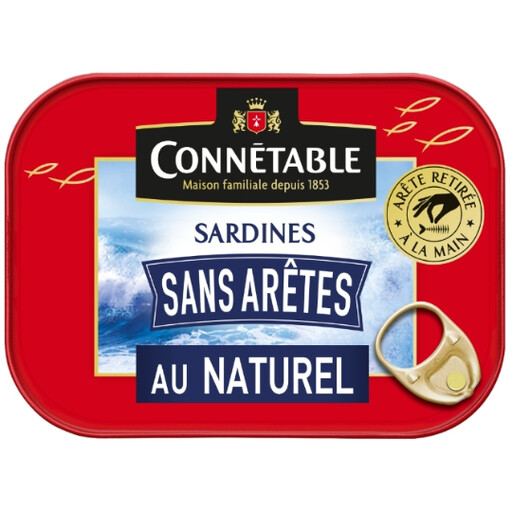 Image unavailable
Worth considering if you’d like to avoid bones and prefer sardines in water rather than oil. Check the storage instructions for this tin before taking it with you.
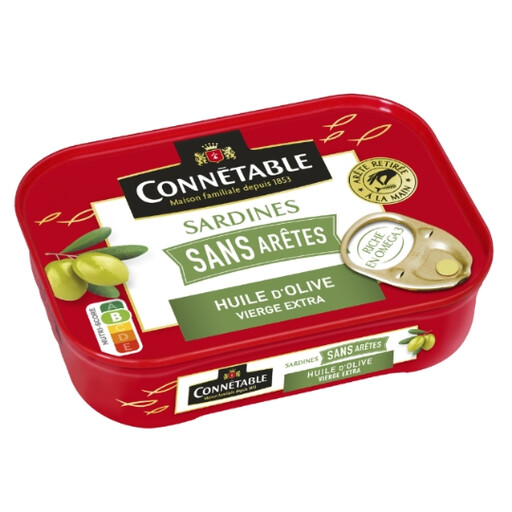 Image unavailable
An olive oil recipe for a no-cook meal. Compare the portion of fish using the drained weight shown on the packaging, and make sure you can refrigerate any leftovers.
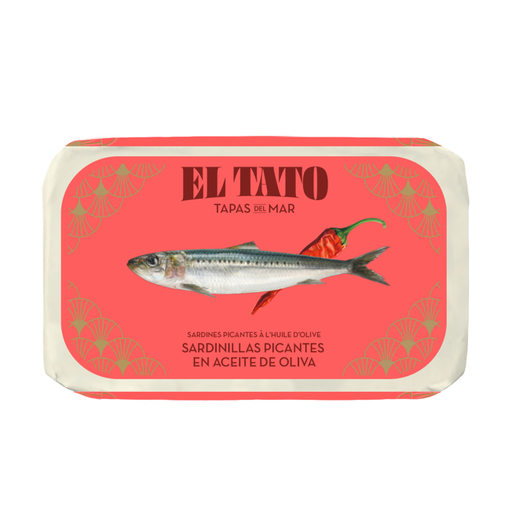 Image unavailable
This recipe is for people who like a bit of chilli with their meal. The 115/81 g figures indicate the different weights for this size. Check the label and storage instructions after opening before choosing a tin to share.
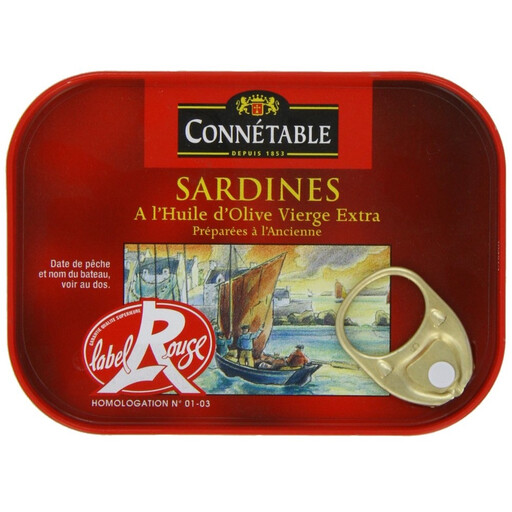 Image unavailable
This olive oil option could work for a no-cook meal. If the amount of fish matters to you, check the drained weight on the packaging rather than relying on the 135 g net weight alone.
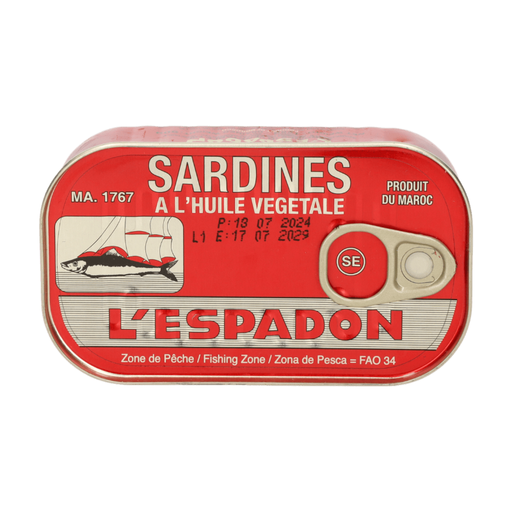 Image unavailable
An oil-packed tin to consider for a no-cook meal. Check the type of oil, allergen information, drained weight and storage instructions on the packaging.
Not necessarily before opening: the Saupiquet and Connétable products featured here should be kept sealed in a cool, dry place, away from heat. After opening, follow the refrigeration instructions for the product you’ve chosen. If you can’t keep it chilled, plan to finish the tin with your meal.
First, check whether it has a best-before date or a use-by date: the French Ministry of the Economy distinguishes between the two, as they mean different things. Also check the tin. The DGCCRF highlights bulging, rust and certain dents as possible signs that a tinned product has deteriorated.
Compare the drained weight where it’s given, as the net weight also includes the oil or sauce. For example, Carrefour lists its Carrefour Classic’ sardines in sunflower oil as 135 g net and 95 g drained.
Choose this option if bones bother you, especially if you want to eat quickly without preparing a meal. If that’s not a priority, compare the recipes and portion sizes instead. The ‘boneless’ label alone doesn’t tell you about these other factors.