Hosts serving whole sardines
You want to present the fish on the plate and check the preparation and traceability details for each tin. Connétable provides this information for its traditional Label Rouge product.


For a festival buffet, choose whole sardines if you want to serve them as they are. If they’re going on toast or in salads, opt for fillets or a product specifically labelled skinless and boneless. ‘Premium’ alone won’t help you choose between tins: check the recipe, the amount you can actually serve, the origin details and the storage instructions once opened for the specific product you’re considering.
You want to present the fish on the plate and check the preparation and traceability details for each tin. Connétable provides this information for its traditional Label Rouge product.
If you’re making toast toppings, canapés or salads, you can compare fillets with products specifically labelled skinless and boneless, such as those offered by Saupiquet and Connétable.
You’ll need to work out how much to serve. Compare the net and drained weights, then check the recipe and origin of each product rather than assuming they’re identical across a retailer’s range.
For a festival buffet, start by thinking about how you’ll serve the sardines, then compare the quantities and ingredients of the tins you’re considering.
| Criterion | What to check | Who it matters to |
|---|---|---|
| Taste and traceability | Whether the sardines are presented whole; preparation and traceability details for the specific product. | If I’m serving sardines as they are, their presentation and information about how they were caught matter to my choice; around 31% of consumers put taste and traceability first. |
| Ease of serving | A ‘fillets’ or ‘skinless and boneless’ label, depending on how you plan to serve them. | If I’m topping toast and don’t want to remove bones while serving, I look for a suitable format; ease of serving is the top priority for around 25% of consumers. |
| Amount to serve | Net weight, drained weight if stated, and how many tins you’ll need. | When I’m preparing portions for a group, I want to know how much sardine each tin will provide; around 25% of consumers prioritise getting the quantities right. |
| Ingredients | Ingredient list, type of oil and any certification stated for the product. | If a recipe or certified organic ingredients influence my purchase, I need to read the label on the tin I choose; around 19% of consumers put ingredients ahead of other criteria. |
Two tins with the same net weight can contain different amounts of sardines once the oil has been drained. That matters when you’re planning portions for your buffet.
Compare the net weight and, if it’s shown on the tin, the drained net weight before deciding how many tins to buy.
Auchan says that the ingredients in its product can vary depending on the delivery service and purchase date. So a general description isn’t a substitute for checking the label on the tin you choose.
Check the ingredients, oil and origin details for the specific product and format you’re buying.
Whole sardines work well when you want to present the fish as it is, but they need different preparation if you’re after boneless toppings.
For toast or canapés you want to prepare straight away, look for a clear ‘skinless and boneless’ label, or choose fillets to suit your recipe.
Removing the bones before serving adds to your preparation time.
Storage instructions once opened vary by product. Saupiquet and some product listings from Auchan say to refrigerate and consume within two days.
Plan to keep any leftovers chilled and follow the time limit on the tin you’re actually serving.
These products show a range of formats and recipes to compare. The details below apply to the products mentioned, not to every product from each brand.
The brand offers, among other products, traditional Label Rouge whole sardines in extra virgin olive oil, as well as a skinless and boneless option.
Saupiquet offers 70 g fillets of organic sardines in extra virgin olive oil.
The 135 g Carrefour Classic' product in extra virgin olive oil provides a useful comparison for a three-ingredient recipe.
E.Leclerc offers a 135 g tin of sardines in extra virgin olive oil.
Auchan offers a 135 g tin of sardines in extra virgin olive oil.
This selection includes sardines to serve whole, fillets for toppings and flavoured recipes for a buffet. Choose a format to suit how you plan to serve them, and check the details for each tin.
 Image unavailable
For toast or salads, check whether the preparation of these sardines suits your needs regarding bones and skin.
140 g format; the title states that they’re in extra virgin olive oil.
 Image unavailable
If you want to serve these sardines for people to enjoy as they are, check the tin for the preparation and traceability details that matter to you.
135 g format; the title states that they’re in extra virgin olive oil. Check the drained weight when planning portions.
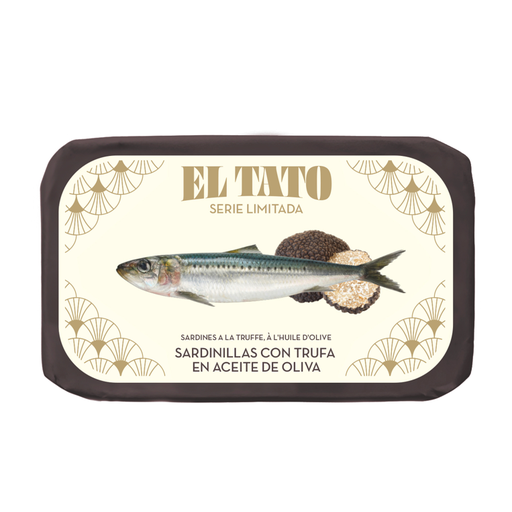 Image unavailable
This flavoured recipe could work well for canapés where you want a hint of truffle; check the ingredients before choosing it.
The title states ‘115/81 g’: check the packaging to distinguish the net weight from the drained weight.
 Image unavailable
The fillet format works well for preparing toppings for toast or salads; check the details about bones if that’s important to you.
The title states ‘115/81 g’: check the packaging for the net and drained weights, as well as the storage instructions once opened.
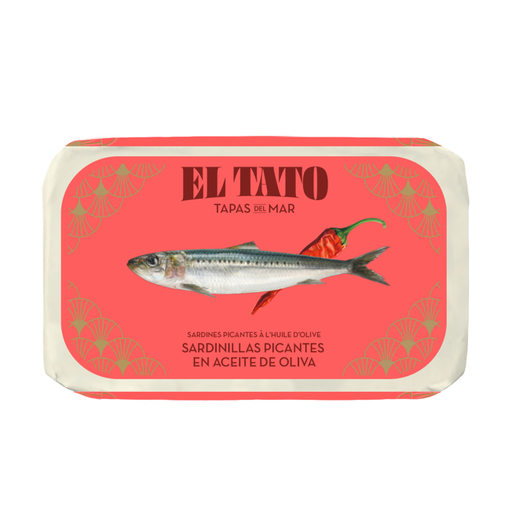 Image unavailable
This chilli version could be a good choice for spicy canapés; check the seasoning if you’re serving guests with different tastes.
The title states ‘115/81 g’: check the weights on the tin and the storage instructions once opened.
Compare the details on the tin rather than relying on the word ‘premium’ alone. Check whether the sardines are whole or filleted, read the ingredients and look at the drained weight and any origin details that matter to you.
Choose whole sardines if you want to serve them as they are. If you don’t want to remove bones while preparing toast or salads, a product specifically labelled skinless and boneless will be more suitable. Check the exact wording on the tin, as ‘fillets’ and ‘boneless’ don’t necessarily mean the same thing.
Follow the storage conditions and time limit stated on the tin you bought. The product information for some Saupiquet, Auchan and Parmentier products says to refrigerate and consume within two days; don’t automatically apply this time limit to a different product.
It depends on the type of date shown on the tin and its condition. The DGCCRF says that food with a best-before date may be eaten after that date if the packaging is intact, although its taste and quality may change. Food with a use-by date must not be eaten after that date. Don’t eat food from a tin with damaged packaging.