Hosts who want to grill fish
You want to cook sardines on the barbecue rather than serve tinned fish as an appetiser. Plan to transport and keep them chilled until they’re ready to cook.


If sardines are going to be the main event on the barbecue, choose fresh fish and plan how you’ll transport it chilled, store it and cook it all the way through. For toast or a sharing platter before the barbecue, choose a tin to suit the recipe and size you need. Fillets or a product specifically labelled boneless can make serving easier, but they’re no substitute for fresh grilled sardines.
You want to cook sardines on the barbecue rather than serve tinned fish as an appetiser. Plan to transport and keep them chilled until they’re ready to cook.
You’re putting together toast, a sharing platter or a sardine spread. The recipe, tin size and, if it matters to you, any quality mark shown on the tin are more important than whether the fish can be cooked.
If you’re topping toast or serving sardines for everyone to share, look for fillets or a product explicitly labelled “boneless”.
First decide whether the sardines will go on the barbecue or be served as an appetiser. Then choose the recipe and format to suit your guests, rather than relying on the word “premium” alone.
| What to consider | What to check | Who is it for? |
|---|---|---|
| Grilling or appetisers | For cooking on the barbecue, choose fresh sardines and plan how to transport them chilled. For toast, look for tins that are ready to serve. | If I want to serve the fish straight from the grill, a tin isn’t suitable for the same purpose; around 46% of consumers would choose fresh sardines for grilling. |
| Recipe and quality mark | For the specific tin, check the oil, preparation and any Label Rouge mark that matters to you. Compare the quantities listed for the formats you’re considering, too. | For a sharing platter, I’d look first for a recipe or quality mark that’s clearly stated; around 36% of consumers would have the same priority. |
| Bones and format | Look for “fillets” or “boneless” on the label, and check that there’s enough for the number of people you’re serving. These two descriptions don’t mean the same thing. | When I’m topping toast for several guests, I’d rather not have to pick out bones at the table. Around 18% of consumers would put ease of serving first. |
Matured sardines and tinned fillets are ideal for serving as an appetiser. They won’t give you the same dish as fresh sardines cooked on the barbecue.
Decide how you’ll serve the sardines before choosing between the fresh fish counter and the tinned aisle.
“Premium” can simply describe how a product is marketed. For the relevant tins of sardines caught using purse seines, the French National Institute of Origin and Quality presents Label Rouge as an official quality mark linked to an approved set of specifications. It doesn’t automatically apply to other tins.
If this mark guides your choice, check that it appears on the exact product you’re buying.
Fresh fish needs different planning from tinned fish. Anses recommends keeping it between 0 and 4 °C for no more than 48 hours.
Plan to transport it chilled, buy it close to mealtime and cook the sardines all the way through.
A tin of whole sardines and a small tin of fillets make for very different toast toppings or buffet dishes.
Check the product description and the quantity shown on each tin before working out your portions.
The range includes sardines in olive oil, boneless varieties and matured sardines intended to be enjoyed as they are.
Saupiquet offers sardine fillets that are already grilled and packed in extra virgin olive oil. They’re ideal served on toast or in a salad.
The retailer offers fresh Atlantic sardines in its fish barbecue range, as well as a variety of tinned sardines.
These tinned sardines are suited to toast, a sharing platter or a ready-to-serve accompaniment to your barbecue. For grilled sardines, choose fresh fish instead and plan to keep it chilled.
 Image unavailable
For serving sardines on toast before the barbecue, rather than cooking them on the grill.
135 g tin. If you’re specifically looking for a Label Rouge product, check that the mark appears on this tin.
 Image unavailable
If you’re choosing an appetiser with bones in mind, check the preparation details for this product. Removing the backbone doesn’t guarantee that every bone has been removed.
140 g tin. This product isn’t fresh sardines for the barbecue.
 Image unavailable
A recipe with Espelette pepper to serve with toast or barbecue sides.
1/6 size, 115 g tin; serve as a tinned appetiser, not as fresh fish for grilling.
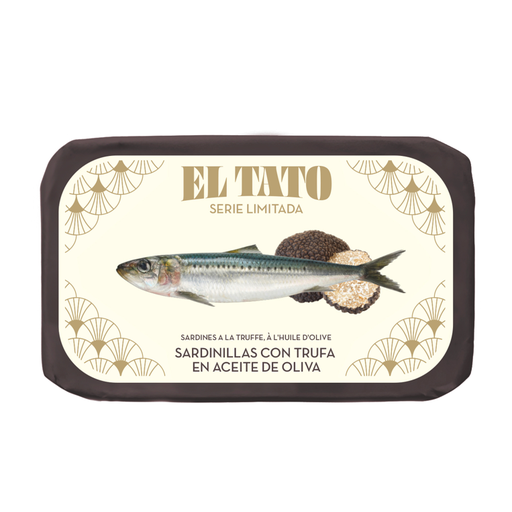 Image unavailable
Serve a truffle-flavoured recipe as an appetiser, with no need to cook it on the barbecue.
16/20 size and stated weight of 115/81 g; check the tin for storage instructions after opening.
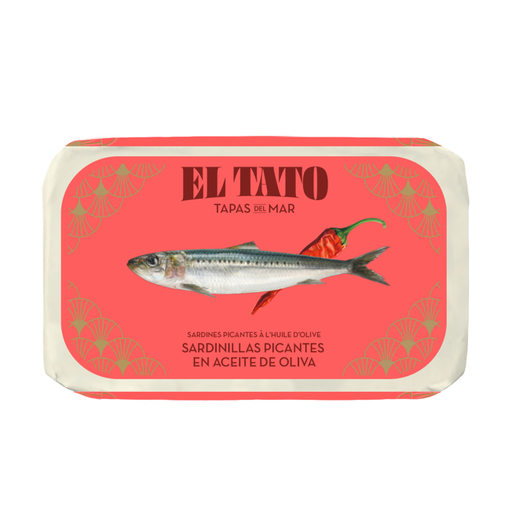 Image unavailable
For toast to serve before the barbecue, if you’d prefer a chilli recipe to truffle.
16/20u size and stated weight of 115/81 g; follow the instructions on the tin after opening.
Yes, if you’re making appetisers, toast or a sardine spread, but not if you want to serve grilled sardines. Choose fresh sardines to cook on the barbecue and tinned sardines for a ready-to-eat dish.
Anses recommends keeping fresh fish for no more than 48 hours in the coldest part of the fridge, at between 0 and 4 °C. Make sure it stays chilled on the way home, too, and follow the date on the pack if it’s pre-packed.
Cook fresh sardines all the way through, as Anses recommends for fish. Keep raw fish separate from ready-to-eat food while you prepare it.
No. The word “premium” doesn’t mean a tin carries the Label Rouge mark. The French National Institute of Origin and Quality describes this official mark as applying to products covered by approved specifications. Check that it’s shown on the specific tin you’re interested in.
Follow the instructions on the tin, as they vary by product. For the grilled sardine fillets in olive oil mentioned here, Saupiquet advises keeping them in the fridge and eating them within two days of opening.