For an Asian-inspired evening where you’re making the sauces and side dishes, choose sardines in spring water or a simple olive oil recipe. That way, you can decide how to season them when you serve. Lemon, tomato or chilli recipes are better suited to a menu that already includes those flavours. For bite-sized servings, also check for bones, drained weight and storage instructions after opening: the weight shown on the tin alone won’t tell you how much fish you’ll have to serve.
Who are these formats suitable for?
Anyone who likes to make their own sauces
If the rice, noodles or side dishes are already seasoned, a plain recipe avoids adding tomato or chilli flavour from the outset. Sardines in olive oil also leave you free to choose the sauce, as long as you take the oil and any other ingredients into account.
Anyone putting on a buffet
A small tin lets you open the sardines as you serve them. The 95 g, 100 g and 115 g formats listed by E.Leclerc, Saupiquet and Auchan give you a useful guide, but drained weight is more helpful when working out how much fish you’ll need for bite-sized servings.
Guests who are mindful of bones or ingredients
If bones might put people off, look for a clear statement on the tin rather than relying on the word ‘fillets’. To choose a recipe that suits your guests’ needs, read the ingredients list and allergen information.
What should you check before choosing?
First decide whether the tin should be a base for your own seasoning or bring its own flavour, then choose a format and presentation that suit the way you’ll serve it.
| What to consider |
What to check |
Who is it for? |
| Freedom to season |
Compare the ingredients in plain, oil-packed and already-flavoured recipes. |
If I’m making my own sauces for rice or noodles, I’d rather the tin didn’t add another flavour; around 36% of consumers put freedom to season first. |
| Portions and serving |
Check the net weight and, where stated, the drained weight. |
For a buffet, I want to open just the right amount for the planned servings without preparing all the tins in advance; around 29% of consumers prioritise this ease of serving. |
| Bones |
Look for the words ‘boneless’ if this is important to you; ‘fillets’ doesn’t mean the same thing. |
When guests are grabbing a bite without sitting down for a proper meal, I want to avoid them having to pick out bones; around 21% of consumers prioritise an easy eating experience. |
| Label and storage |
Read the allergen information, ingredients, salt content per 100 g and instructions for after opening. |
If I need to consider the ingredients being served and any opened tins, I check each recipe before opening it; for around 14% of consumers, checking the label is their main priority. |
Mistakes to avoid
-
Assuming the tin’s weight is the amount of sardines
The net weight includes the oil or other liquid the sardines are packed in. For example, Auchan’s product listing for a 115 g tin gives a drained weight of 80 g. These are two different measurements to consider when planning bite-sized servings.
Compare the drained weight when it’s shown on the packaging, especially if the sardines are a main part of the dish.
-
Choosing a flavoured recipe before planning the menu
Lemon, tomato, chilli and olives are already included in some recipes. Make sure their flavour will work with the sauces and condiments you plan to serve.
If you haven’t decided how to season the meal, start with a plain recipe or check the ingredients in an oil-packed tin carefully.
-
Assuming ‘fillets’ means boneless
Fillets aren’t necessarily boneless, so look for an explicit ‘boneless’ statement. This is particularly important for bite-sized servings that won’t be prepared further.
If this is a deciding factor, check the wording on the product you’re considering.
-
Opening every tin at the start of the evening
Storage instructions after opening vary between products. The listings for some Saupiquet, Connétable and Auchan tins recommend keeping them in the fridge and eating them within two days; other products may give a different time limit.
Open tins as you need them and follow the storage instructions for each product when dealing with leftovers.
Brands and ranges to know
Saupiquet
The range includes plain fillets and seasoned recipes. Saupiquet offers, for example, 100 g tins of sardine fillets in olive oil.
- Fillets offer an alternative to whole sardines when preparing bite-sized servings.
- The olive oil recipe described by Saupiquet also contains olives, so check that it suits your menu.
Connétable
Auchan lists a 115 g tin of Pêche du Jour whole sardines in extra virgin olive oil.
- This format is worth considering when olive oil is part of your planned seasoning.
- As these are whole sardines, don’t assume they’re boneless.
Auchan
Auchan lists a 115 g tin of organic sardines in extra virgin olive oil.
- The product listing gives a drained weight of 80 g, which is useful for planning portions and distinct from the net weight.
- This recipe contains olive oil, so it isn’t a substitute for a plain option if you want to choose all the sauce ingredients yourself.
Pêche Océan / Marque Repère E.Leclerc
E.Leclerc lists a 95 g tin of whole sardines in spring water, prepared with water and salt.
- The short ingredients list leaves you free to choose your sauces and condiments when serving.
- These are whole sardines, so check that this presentation suits the bite-sized servings you have planned.
Carrefour
A Carrefour listing describes a 115 g tin of boneless sardines in extra virgin olive oil.
- The ‘boneless’ label answers a specific need when serving bite-sized portions.
- The listing we checked showed this product as unavailable, so check it’s in stock before adding it to your menu.
Individual tins available on Joybuy
These tins offer several ways to build your menu: sardines in water or olive oil, as well as recipes with a more distinctive flavour. Choose according to your planned seasoning, the quantity you need to serve and whether bones are a concern for your guests.
 Image unavailable
EL TATO sardine fillets in olive oil, 115/81 g
Worth considering for bite-sized servings made with an olive oil recipe. The tin contains 115 g, including 81 g drained; if boneless sardines are essential, check this separately.
View on Joybuy
 Image unavailable
CONNÉTABLE boneless sardines in water, 98 g
Worth a look if bones could be a concern when serving. The tin weighs 98 g and the recipe also contains lemon, which is worth bearing in mind if you want to control the flavour of your sauce.
View on Joybuy
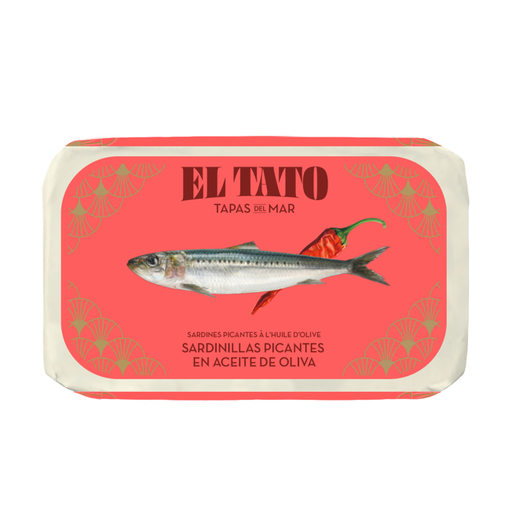 Image unavailable
EL TATO small sardines 16/20u in olive oil and chilli, 115/81 g
This recipe suits a menu that includes chilli and olive oil from the start. The tin contains 115 g, including 81 g drained; check for bones if this is important to your guests.
View on Joybuy
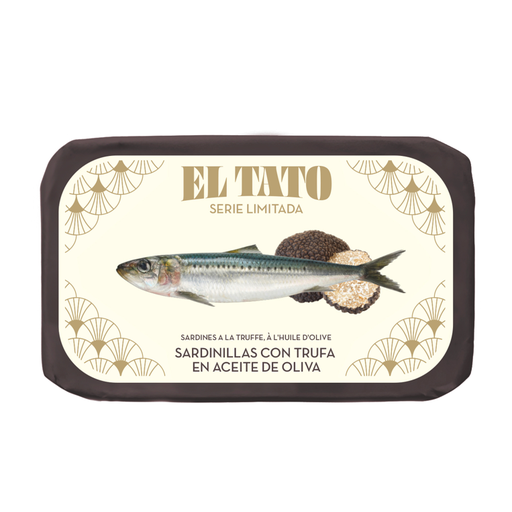 Image unavailable
EL TATO small sardines 16/20 in olive oil and truffle, 115/81 g
Truffle gives this recipe a distinctive flavour that you’ll need to factor into the whole menu, rather than treating it as a neutral base to season yourself. The tin contains 115 g, including 81 g drained; check for bones if needed.
View on Joybuy
 Image unavailable
CONNÉTABLE sardines in extra virgin olive oil, 135 g
Worth considering if a 135 g tin is the right amount for you to open when serving. Olive oil is part of the recipe; check the drained weight and whether the sardines contain bones if these details will affect your choice.
View on Joybuy
Frequently asked questions
What size tin should I choose for bite-sized servings?
Work out how much fish you plan to serve, rather than relying on the tin’s net weight alone. The products listed by E.Leclerc, Saupiquet and Auchan range from 95 g to 115 g; the 115 g Auchan tin mentioned above has a drained weight of 80 g.
Should I choose sardines in water or olive oil?
Choose a plain recipe if you want to decide on the sauce and condiments yourself. An olive oil recipe can also work, as long as you take the oil and any other ingredients listed on the label into account.
Are fillets always boneless?
No. The fillet presentation alone doesn’t guarantee that the sardines are boneless. If this matters for your buffet, look for an explicit ‘boneless’ statement on the product you choose.
What should I do with leftover sardines after opening?
Follow the storage instructions on the tin and refrigerate leftovers if the label says to. Storage times can vary between products; opening tins as you need them will help limit leftovers.
Which allergen should I tell guests about?
Sardines are fish, which is an allergen for guests who need to avoid it. Also check the full ingredients list and allergen information for each recipe, especially if it’s flavoured.


