What should you compare?
First decide whether you’ll serve one recipe or several flavours. Then compare the quantities and how each product is prepared: pack size and fish texture meet different needs.
Multipack of identical tins
Choose this: when you need several portions of the same recipe; E.Leclerc, for example, lists Pêche Océan multipacks of 3 × 135 g.
Bear in mind: every tin contains the same base recipe, so there’s less variety for a buffet.
Mixed pack of recipes
Choose this: if you really do plan to serve several flavours during the evening.
Bear in mind: one of the recipes included in the pack may not suit any of your planned dishes. A Carrefour listing described a pack of eight tins, but marked it as unavailable.
Individually selected tins
Choose this: if you want to decide how many tins of each recipe to buy, or serve a different style of fish to some guests.
Bear in mind: you’ll need to check each product rather than relying on the contents of a single multipack.
| What to consider | What to check | Who it matters to |
|---|
| Quantity and format |
Number of tins, the weight of each one and the drained weight where the fish is packed in liquid. |
If I’m making several portions with the same sardines, I want enough fish without being left with several unwanted recipes. Around 33% of consumers are said to prioritise getting the multipack size right. |
| Variety of recipes |
The recipe in each tin and whether the pack includes the flavours actually planned for the menu. |
For a buffet, I’d rather offer different flavours than open several identical tins. Variety is said to be the main priority for around 27% of consumers. |
| Texture and bones |
Look for precise descriptions such as ‘fillets’, ‘boneless’ or ‘skinless’, depending on how you want to serve the fish. |
When serving sardines on shared toast, I want to know whether guests will need to remove the bones. Around 20% of consumers are said to prioritise how the fish is prepared. |
| Label and storage |
Ingredients, allergens and storage instructions for the product you choose, especially once opened. |
When serving several people, I need to be able to check what each tin contains and manage any opened tins. These details are said to be the top priority for around 20% of consumers. |
Brands and retailers to know
These ranges offer useful points of comparison for recipes and pack sizes. A brand’s inclusion here doesn’t guarantee a particular format or that a specific product is available.
Connétable
The range includes whole sardines and a skinless, boneless option, including recipes in olive oil.
- For its whole sardines, Connétable describes the fish as hand-packed in Brittany, with a recipe made from sardines, extra virgin olive oil and salt.
- Don’t assume that every Connétable tin uses this recipe or preparation. Check the product name and ingredients of the one you choose.
Saupiquet
Sardine fillets may suit hosts looking for this style of fish to serve on toast or in sharing dishes.
- The Saupiquet fillets described are sold in a 100 g tin, in extra virgin olive oil with olives.
- Saupiquet says to refrigerate this product after opening and eat it within two days. This weight and recipe don’t apply to the entire range.
Pêche Océan / Marque Repère
E.Leclerc’s listed range includes sardines in olive oil in multipacks of 3 × 135 g, worth considering if you’re using the same recipe for several portions.
- This format tells you both the number of tins and their weight, making it easier to plan your shopping list.
- Check the product and its availability with the shop or collection service you plan to use.
Auchan
The Auchan catalogue lists several sardine recipes, including plain, olive oil, lemon and basil, and chilli.
- This variety makes it easier to find a recipe to suit each planned dish, rather than choosing by brand alone.
- Formats and recipes vary by product, so check the product listing and availability when you shop.
Carrefour
A Carrefour listing shows how a mixed pack of sardines in different flavours could work for a buffet.
- The pack described contained eight 115 g tins across four recipes, a format worth comparing with your menu before buying.
- The listing said that the product was unavailable. Use it to consider the format, not as a guarantee that this specific product will be available.
Sardines to help you plan your menu
These Joybuy products give you a choice of recipes and preparations for toast, salads or a buffet. If you’re planning your shopping around a multipack, check how many tins are included in each sales unit before deciding how much to buy.
 Image unavailable
Connétable, boneless sardines in water, 98 g
Worth considering for a recipe using sardines in water when removing the central bone is important. Check how many tins are included in the sales unit, and don’t assume the skin has been removed.
View on Joybuy
 Image unavailable
Connétable, sardines in extra virgin olive oil, 140 g
A choice for a recipe in olive oil if you want the central bone removed. The Joybuy listing gives a drained weight of 98 g for this 140 g tin. Check how many tins are sold together and exactly how the fish is prepared if you need it to be skinless.
View on Joybuy
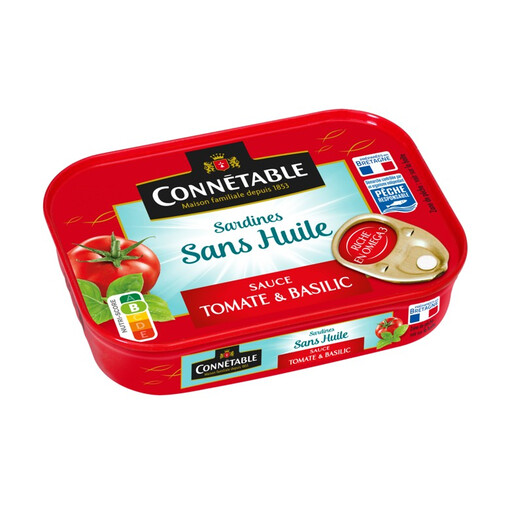 Image unavailable
CONNECTABLE, sardines with tomato and basil, 1/6 tin, 115 g
A tomato and basil recipe to consider if it’s on your menu. Before working out portions or planning to serve boneless sardines, check the drained weight, how the fish is prepared and how many tins are sold together.
View on Joybuy
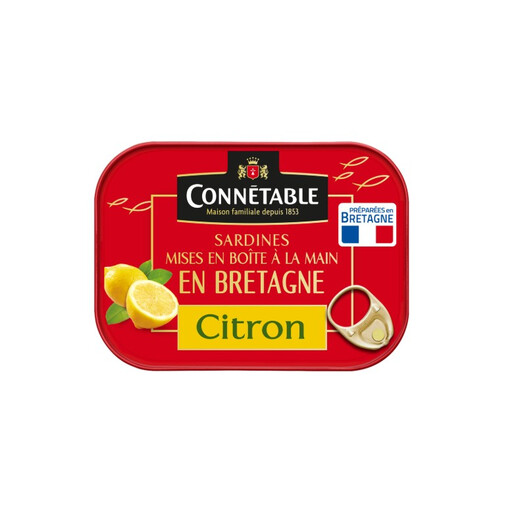 Image unavailable
CONNECTABLE, sardines in extra virgin olive oil and lemon, 1/6 tin, 115 g
Worth considering if you’d like to add a lemon-flavoured recipe to your toast or buffet. The product title gives a weight of 115 g; check the drained weight, how many tins are sold together and whether the fish contains bones, depending on your guests’ preferences.
View on Joybuy
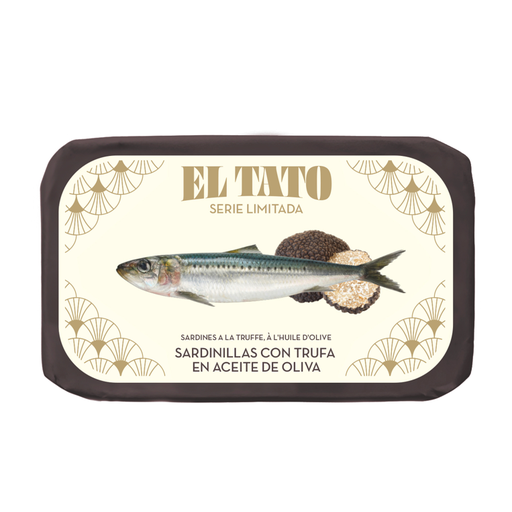 Image unavailable
EL TATO, small sardines 16/20 in olive oil and truffle, 115/81 g
For a buffet that includes a truffle recipe. The title gives the 16/20 size and the weights 115/81 g. Check what these mean on the packaging, along with how many tins are sold together and whether the fish contains bones. After opening, follow the product’s instructions for refrigerating any leftovers.
View on Joybuy
Frequently asked questions
How do I compare two sardine multipacks for an event?
Compare the recipe, the number of tins and their net weight, then check the drained weight if the fish is packed in liquid. The DGCCRF says drained weight must be shown on the label in this case. This helps you estimate how much sardine you’ll serve, rather than comparing the tins alone.
Are sardines in olive oil always boneless?
No. The olive oil recipe doesn’t tell you how the fish is prepared. Connétable lists whole sardines separately from its skinless and boneless option, so check the wording on the tin you plan to serve.
What should I check on the label if guests ask about the ingredients?
Check the ingredients list and any highlighted allergens on each product. Don’t rely on the recipe name or the picture on the pack alone. For prepacked food sold in France, the DGCCRF also highlights the importance of the product name, quantities and nutritional information shown on the label.
How should I store sardines after opening?
Follow the instructions on the tin you’ve opened. For the Saupiquet sardine fillets mentioned here, the instructions are to refrigerate them and eat them within two days. Don’t automatically apply this timeframe to another product.
Is a tin unsafe to eat once its best-before date has passed?
Not necessarily. The DGCCRF says food can be eaten after its best-before date if the packaging is intact, although some aspects of its taste and quality may have deteriorated. Check the exact date marking and make sure the tin is undamaged. A use-by date follows a different rule and shouldn’t be confused with a best-before date.


