Budget-conscious shoppers
You want to compare single-serve tins without confusing the total weight with the weight of the drained sardines.


When choosing a single-serve tin of sardines, compare the drained fish weight rather than assuming that two similarly sized tins contain the same portion. Then choose between whole sardines, fillets or boneless sardines to suit how you plan to use them, and check the ingredients and nutritional information for the specific product.
You want to compare single-serve tins without confusing the total weight with the weight of the drained sardines.
You’re looking for sardines that are easy to add to toast or a salad, without having to remove the backbone.
You prefer sardines in spring water or a short ingredients list, so you can season them to suit your meal.
For a single-serve tin, start by distinguishing between the total weight and the drained weight. Then check whether the type and recipe suit how you plan to eat the sardines.
| What to consider | What to check | Who it matters to |
|---|---|---|
| Amount of fish | Compare the drained weight where it’s stated; don’t confuse it with the tin’s total weight. | If I want to know how many sardines I can serve, the packing liquid matters when I’m choosing. Around 33 % of shoppers rank this as their top priority. |
| Bones and presentation | Look for the terms ‘whole’, ‘fillets’ and ‘boneless’; you can’t tell which it is from the size of the tin. | If I’m eating sardines as they are or adding them to toast, I’d rather not have to remove the backbone. This convenience comes ahead of other factors for around 25 % of shoppers. |
| Recipe and ingredients | Check the ingredients, the type of oil if applicable, the salt and the nutritional information on the same basis, particularly per 100 g. | If I’m seasoning the dish myself, I want to choose between sardines in spring water and those in oil. Ingredients are the main consideration for around 25 % of shoppers. |
| Origin | Distinguish information about the fish from details about where it was made; check the tin’s traceability information. | When origin guides my purchase, I want to understand what each detail refers to rather than relying on the brand name alone. It’s the top priority for around 17 % of shoppers. |
A Carrefour Classic’ tin states a drained net weight of 95 g, while the Pêche Océan tins listed by E.Leclerc come in a 135 g size. These figures don’t necessarily represent the same amount of fish.
To compare portions, look for the drained net weight on each tin when the product is packed in liquid.
The proportion of oil varies by product. Auchan also notes that the ingredients in some tins may vary depending on the drive and purchase date.
Check the ingredients and nutritional information on the tin you’re buying, rather than relying on the recipe name alone.
The country of manufacture, declared origin and fishing information refer to different things.
If origin matters to you, read the information about the fish and where it was made separately.
A tin of whole sardines, fillets and a product explicitly labelled ‘boneless’ are three different presentations. Fish is also one of the allergens to check in the ingredients.
Look for the ‘boneless’ label if the backbone bothers you, and check the label if you have an allergy.
This supermarket own-brand range lets you explore different recipes in single-serve tins.
A product in spring water is a good choice if you prefer to season it yourself.
The range includes several single-serve recipes, including sardines in spring water and olive oil.
Sardine fillets in spring water are a different option from whole sardines.
The brand offers both whole sardines and products explicitly labelled as boneless.
These tins show some of the options you can choose from: sardines in oil, fillets and a boneless product. Compare their labels, taking account of each tin’s size and recipe.
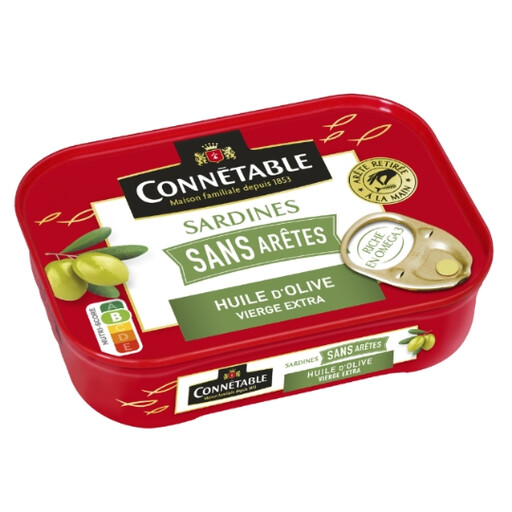 Image unavailable
A single-serve tin to choose if you’re looking for a recipe with extra virgin olive oil. The stated size is 140 g; check the label for the drained net weight to compare the fish portion.
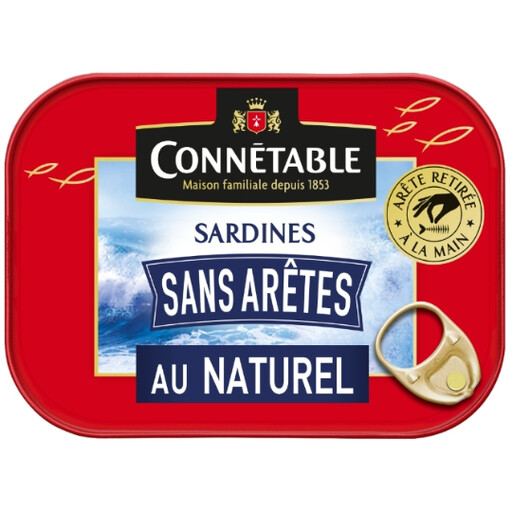 Image unavailable
A good choice if you want to avoid the backbone and prefer sardines in water. The stated size is 98 g; check the tin to distinguish between the total weight and drained weight.
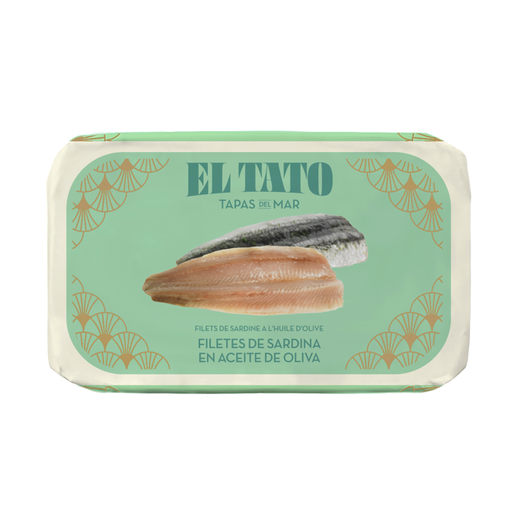 Image unavailable
A handy way to add fillets to a dish without choosing whole sardines. The product is labelled ‘115/81 g’; check the packaging to see what each figure refers to.
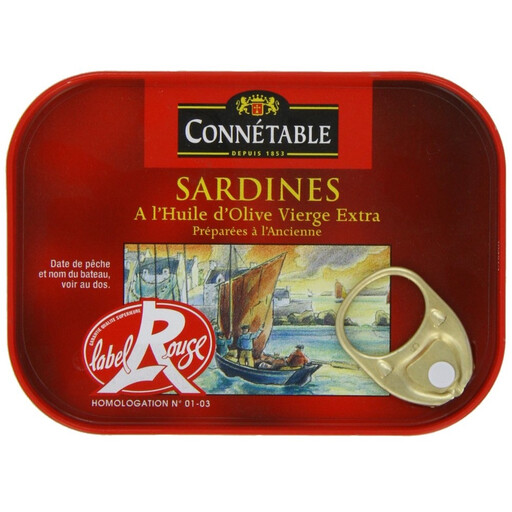 Image unavailable
A single-serve tin in extra virgin olive oil, in a 135 g size. If the amount of fish is important to you, check the tin for the drained net weight too.
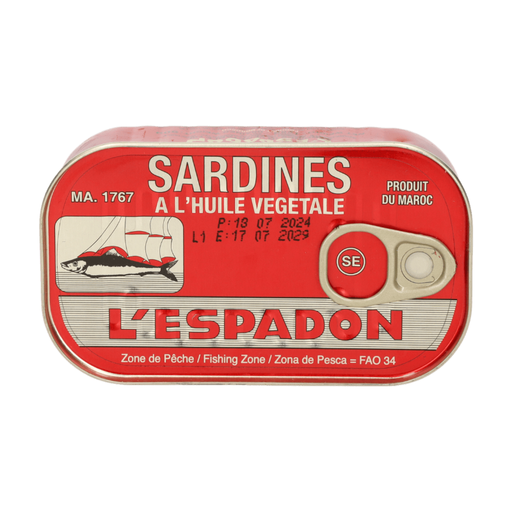 Image unavailable
Compare another recipe in oil in a single-serve tin. The stated size is 125 g; check the ingredients, including the type of oil, and the drained net weight on the packaging.
It tells you how much the contents weigh after the packing liquid has been drained, as distinct from the total weight. To compare two portions, look for this information on both tins. The DGCCRF states that it must appear on the label of a product packed in liquid.
No. ‘In spring water’ describes the recipe, not identical nutritional values across brands and products. Compare the nutritional information for the tins you’re interested in on the same basis, for example per 100 g of drained product where this is stated.
Follow the storage instructions on the tin you’ve chosen. For its 140 g sardines in olive oil product listed on Joybuy, Connétable recommends refrigerating the contents after opening and eating them within two days. Don’t assume this guidance applies to every recipe.
First, check how the fish is presented, the ingredients, the net quantity and, depending on the packaging, the drained net weight. Also check the nutritional information, best-before date and storage instructions. The DGCCRF reminds shoppers that allergens must be highlighted in the ingredients list on prepacked foods.