People cooking the fillets on the day
You’re planning to cook them before you leave or at the picnic, and can keep them chilled in transit and until you’re ready to prepare them.


Choose fresh sardine fillets if you can keep them chilled, cook them thoroughly on the day and serve them without a long wait. If you can’t rely on refrigerated transport or cook them, ready-to-eat tinned sardines are a better fit for your picnic, but they’re no substitute for fresh fillets to cook. In either case, check the exact product and the instructions on the packaging.
You’re planning to cook them before you leave or at the picnic, and can keep them chilled in transit and until you’re ready to prepare them.
You’re looking for tinned sardines to serve without cooking, rather than fresh fillets that need to be prepared.
You want to check whether the product you choose contains bones, as well as its ingredients, such as water, oil or salt, depending on the recipe.
First, decide whether you’ll be able to cook the sardines and keep them chilled until mealtime. Then compare the format and recipe: fresh fillets for cooking and ready-to-eat tinned sardines serve different purposes.
| Consideration | What to check | Who it’s for |
|---|---|---|
| Cooking on the day | Check that the product is labelled “fresh sardine fillets”, the quantity and whether you have enough time to cook them thoroughly. | I want to cook prepared fillets and serve them on the day I buy them; around 40% of consumers prioritise fresh fillets for cooking. |
| Keeping them chilled | Plan to transport them in an insulated bag and keep them at the temperature stated on the label until they’re cooked. | If the journey and the wait before the meal are my main concern, I need to be able to keep the fresh fillets chilled; this is a priority for around 30% of consumers. |
| A no-cook meal | For tinned sardines, compare whether they’re labelled “boneless”, the ingredients and the drained weight of the product you choose. | I’d rather open a tin at mealtime than prepare fresh fish; almost 30% of consumers put ease of serving first. |
Fresh fish needs to stay chilled in transit and before preparation. For picnics, the DGCCRF recommends using a cool box.
Pick up the fillets last, carry them in an insulated bag and put them somewhere cold as soon as possible.
According to Vigil’Anses, histamine that can form in improperly stored fish is not destroyed by cooking or freezing.
Keep the fish chilled at all times. If you have serious concerns about how the fillets have been stored, don’t serve them.
Sardine fillets sold in tins are ready to eat. Their recipe and purpose are different from those of fresh fillets intended for cooking.
If you’re cooking them on the day, check that they’re labelled “fresh” and read the storage instructions. If you want a no-cook meal, compare tinned options by recipe and whether they contain bones.
These examples help you tell fresh fillets for cooking apart from tinned sardines. Check the exact product stocked by your chosen store.
Auchan lists 200 g packs of fresh Mon Poissonnier sardine fillets.
Carrefour’s range includes fresh sardine fillets, sardines for cooking and tinned sardines.
Saupiquet offers several recipes for tinned sardines, including fillets.
Connétable offers tinned sardines, including boneless sardines in spring water.
E.Leclerc lists 70 g tins of Pêche Océan sardine fillets in spring water.
These Joybuy products are no-cook options for your picnic. If you’d like to cook fresh fillets on the day, choose a product clearly labelled as fresh and plan to keep it chilled in transit.
 Image unavailable
Worth considering if you won’t be cooking at your picnic and want sardines with the central bone removed. Check the recipe and instructions on the tin before serving.
 Image unavailable
A tinned option for serving fillets without cooking at the picnic. They’re packed in olive oil; check the packaging to distinguish the net weight from the drained weight.
 Image unavailable
A no-cook picnic option if you’re looking for a recipe made with extra virgin olive oil. These are tinned sardines, not fresh fillets for cooking.
 Image unavailable
A tin to serve without cooking if you fancy a recipe with Espelette pepper. Check that this seasoning suits everyone you’re serving.
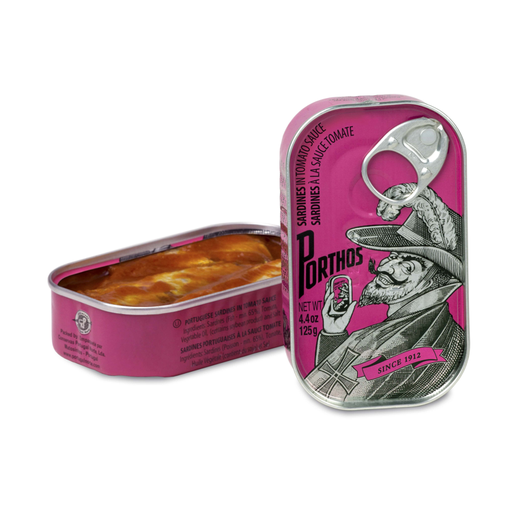 Image unavailable
A tinned option for a no-cook meal, with a tomato recipe. Check the packaging to distinguish the net weight from the drained weight.
Yes, as long as you can transport them and keep them chilled until they’re cooked. Use an insulated bag for the journey, then a cool box if the fillets are coming along to the picnic. Also follow the temperature instructions on the packaging.
If you’re planning a picnic with fresh fillets to cook on the day, make sure they’re thoroughly cooked before serving. This doesn’t remove the need to keep them chilled beforehand.
No. According to Vigil’Anses, histamine that may form when fish is stored improperly is not destroyed by cooking or freezing. If you have serious concerns about whether the fillets have been kept chilled, don’t serve them.
Manger Bouger gives around 100 g as a guide for a portion of fish and lists a tin of sardines as one example. For your picnic, take account of the amount you can actually eat, as shown on the packaging, and any other food you’re serving.
Follow the storage temperature shown on the packaging of the product you choose and observe its use-by date. The DGCCRF reminds consumers to follow the temperatures shown on the labels of pre-packed foods.