
Livraison le jour même ou le lendemain

Qualité garantie

Débloquez vos offres de bienvenue: Livraison GRATUITE | Jusqu'à -80 % | 30 jours d'essai gratuits à JoyPlus
Téléchargez l'application
Sanding a wall before painting it, preparing a piece of wood, removing rust from metal or restoring the shine to a car body does not require the same equipment. Yet product descriptions often mix up grits, formats, power ratings and accessories, creating a risk of ending up with a tool that is not suited to the job.
Before choosing your sanding and polishing tools, start by identifying the surface you need to treat, the level of finish you want and how often you will use the equipment. This simple approach helps you avoid the most common mistakes.
A 40 grit removes material quickly, but leaves clearly visible scratches. By contrast, 240 grit smooths the surface more effectively, although progress is slower. Buying only very fine abrasive paper to remove old paint can therefore extend the project and quickly clog the sheets.
A 125 mm disc is not necessarily compatible with every sander. Also check the number of dust-extraction holes, the type of attachment and the shape of the backing pad. A hook-and-loop attachment that is the wrong size may come away or hold the disc at an angle during use.
With both an orbital sander and a car polisher, power alone is not enough to judge how comfortable the tool will be to use. Speed adjustment, grip, weight, cable length and battery life all have a direct impact on precision and fatigue. For small touch-ups, a cordless rotary tool can prove much more practical than a bulky machine.
Here is a simple guide to organising the different stages:
On wood, avoid moving directly from a very coarse grit to a fine one. For metal and car bodywork, check the surface regularly to avoid gouging the material. Abrasive paper, abrasive sponges and discs should be replaced as soon as they become clogged or stop removing material evenly.
For sanding discs, check the following:
Triangular sheets are particularly practical for corners and narrow areas. An angle sander or delta sander may, however, require a specific format. For walls and plaster, large areas generally benefit from a wide backing pad, while corners require greater precision.
A wall sander fitted with a handle or extension makes work on ceilings and large surfaces easier. For wood, metal and car bodywork, an orbital sander offers a versatile solution, provided you use the correct speed and abrasive. For automotive polishing, a variable-speed polisher lets you adjust the speed for each stage: applying wax, buffing or lightly correcting the surface.
Wear safety glasses, suitable gloves and appropriate respiratory protection. Work in a well-ventilated area and use dust extraction whenever the tool allows it. Do not sand paint that may contain lead or asbestos without following the appropriate procedure and calling in a qualified professional.
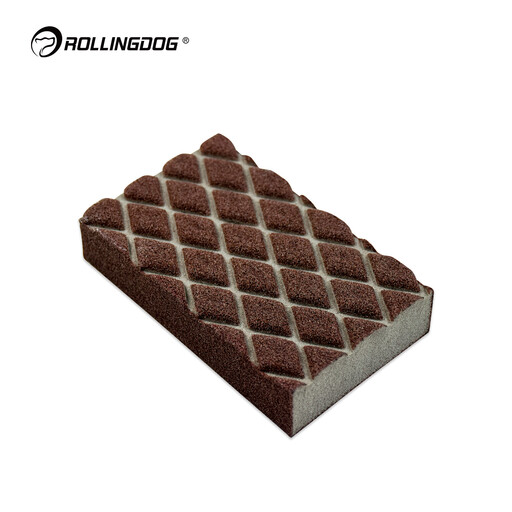
Why this choice suits this profile : This sponge is suitable for small touch-ups on wood, metal, plaster or filler, without the need for a machine. Its flexible format follows both flat surfaces and gently curved shapes.
The 120 grit is clearly indicated, and the sponge can be used either dry or wet. There is no need to invest in a machine for an occasional project.
Aluminium oxide, anti-clogging structure, washable sponge and compact dimensions.
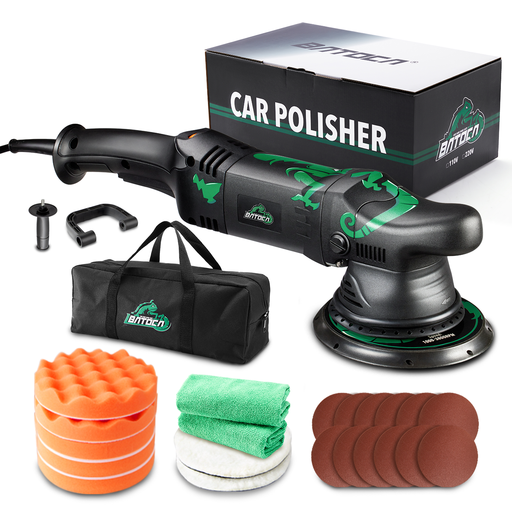
Why this choice suits this profile : Its six adjustable speeds and removable handles let you adapt your grip for polishing, buffing or light sanding.
Variable speed prevents you from working at a single setting that is often unsuitable for applying wax, cleaning or correcting the surface.
Stated power of 1 100 W, six settings from 2 500 to 5 500 rpm and foam accessories included.
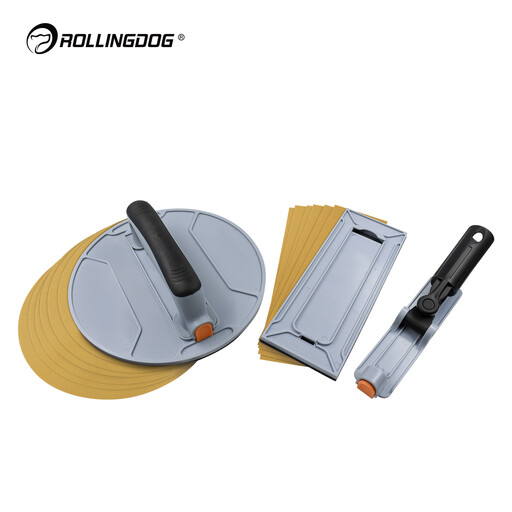
Why this choice suits this profile : Its two backing pads, radial and rectangular, meet the needs of decorators, plasterboard installers and DIYers renovating large wall areas.
The detailed kit contents specify the formats, handle and 80, 120 and 240 grits. You can therefore plan the different stages without buying each item separately.
Two backing pads measuring 220 mm and 225 × 85 mm, quick-release handle and 12 abrasive sheets included.
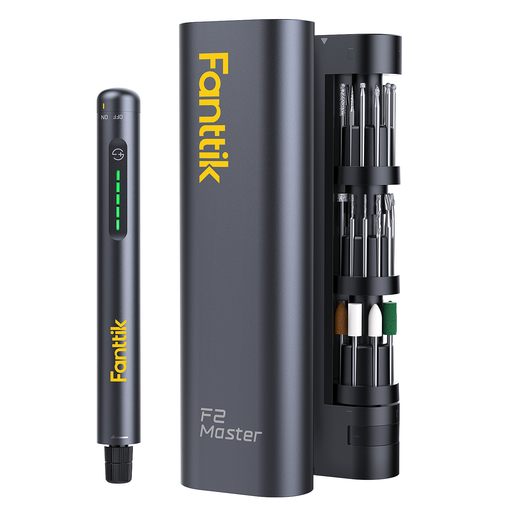
Why this choice suits this profile : Its compact size is ideal for sanding small parts, engraving, light drilling and finishing 3D-printed objects.
Its five speeds and compatibility with 2,3 mm accessories let you select the right setting for the task, rather than operating at a constant speed.
Stated weight of 100 g, stated maximum speed of 25 000 rpm, USB-C charging and 35 accessories.
To complete your equipment, the WORKPRO 125 mm sanding disc pack contains 150 pieces, with grits from 60 to 600, eight dust-extraction holes and a Velcro attachment. It is suitable for users who want to have everything they need for both rough sanding and finishing to hand, provided they check compatibility with their backing pad.
For a wall or filler, generally start with 80 grit if the surface has irregularities, then move on to 120 grit. You can then use 180 or 240 grit for the final preparation. The right choice depends on the condition of the surface and the type of paint you plan to use.
It depends on the material being worked on, the pressure applied, the surface treated and the level of clogging. Replace the abrasive when it becomes smooth, tears, clogs or clearly loses its effectiveness. A washable abrasive sponge can be rinsed and dried to extend its use, but this will not restore its abrasive power if it is already worn.
Yes, for certain preparation and finishing tasks, provided you use the appropriate abrasive. On car bodywork, work in stages, monitor the temperature and avoid staying in the same place for too long. Polishing requires suitable accessories and speeds, which differ from those used to remove large amounts of material.