
Livraison le jour même ou le lendemain

Qualité garantie

Débloquez vos offres de bienvenue: Livraison GRATUITE | Jusqu'à -80 % | 30 jours d'essai gratuits à JoyPlus
Téléchargez l'application
For multi-day trekking enthusiasts, choosing boots isn't a matter of taste—it's a strategic decision. The wrong pair can turn a dream adventure into a total nightmare. The problem? The market is flooded with marketing promises that too often lead to disappointment. Before you invest, it's crucial to know how to avoid the most common pitfalls to get the right gear without regrets.
Here are the three mirages to avoid when buying a long-distance hiking boot:
To make an informed choice, focus on objective criteria that guarantee performance and durability. Here are the three pillars of a successful trekking boot.
On difficult trails and with a heavy pack, the ankle is put under serious strain. A high-cut backpacking boot, with its tall shaft and rigid structure, becomes non-negotiable. It locks and stabilises the ankle, preventing sprains. The chassis, which connects the sole to the upper, must be firm enough to limit foot flexion and better distribute pressure. This is the key to better balance and less muscle fatigue over the miles.
Effective protection from the elements relies on proven technology. GORE-TEX trekking boots feature a microporous membrane that blocks water while allowing sweat to escape. But be warned, the logo alone isn't a guarantee. The quality of the protection depends on how the membrane is integrated into the boot. A meticulous construction, where the membrane is sandwiched between the lining and the outer fabric, is the secret to lasting waterproofness and optimal breathability. Your feet stay dry, from the inside and the outside.
The ruggedness of a walking boot is judged by the quality of its materials. A suede leather walking boot upper offers excellent abrasion resistance against rocks and branches, while gradually moulding to the shape of your foot. It's the perfect complement to a technical outsole. Salomon Contagrip technology, for example, combines specific lug geometries and rubber compounds to ensure reliable grip on all types of terrain: dry, muddy, or rocky. This upper-sole duo is the best guarantee of safety and longevity for your long-distance trekking gear.
To each hiker their own gear. Here are our targeted recommendations, tailored to specific needs.
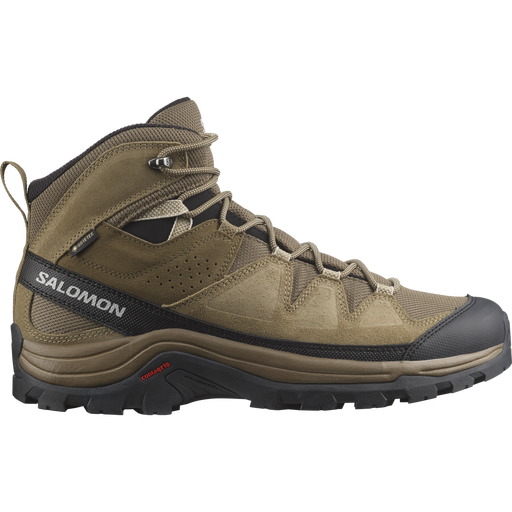
Why it's the right choice: Built for multi-day adventures with a heavy pack, this men's long-distance hiking boot combines a robust structure with proven materials. It's the logical choice for those who accept no compromises on reliability in the mountains.
Its reinforced structure and high collar counteract the lack of stability typical of lighter boots. The combination of a GORE-TEX membrane and a suede leather upper ensures unfailing durability and waterproofness.
Superior Stability: Optimal ankle support, even with a heavy load.
Durable Materials: Suede leather upper and Contagrip outsole designed to withstand wear and tear.
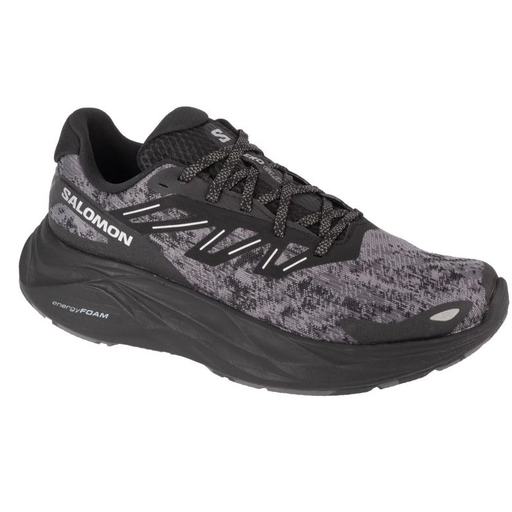
Why it's the right choice: Perfect for those who prioritise speed and comfort on rolling trails, or who like to alternate between running and walking. Its DNA is that of a running shoe, but its cushioning and support make it an excellent option for fast hiking.
This model doesn't pretend to be a backpacking boot. It's a specialised tool, built for speed and cushioning, that avoids the trap of the "do-it-all" product that's good at nothing. It excels in its intended domain.
Maximum Cushioning: The thick midsole absorbs impact on hard surfaces.
Lightweight: Reduces fatigue during fast and prolonged efforts.
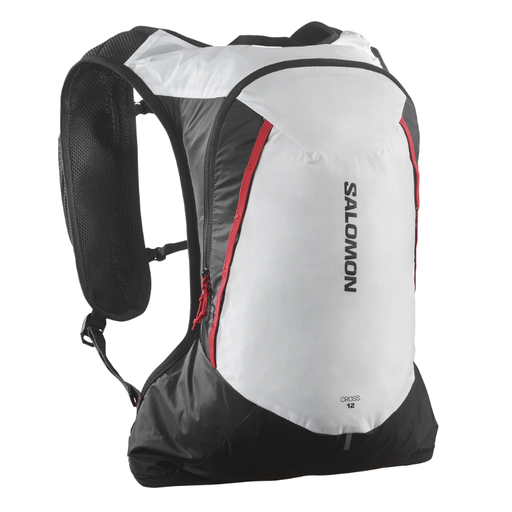
Why it's the right choice: A lightweight backpack is an essential part of any trekking kit. It's perfect for day trips from a base camp without lugging a heavy pack, or for short outings where only the essentials are needed.
It avoids the trap of over-packing by offering a minimalist and ultra-functional carrying solution. Setting out with a 60L pack for a 3-hour hike makes no sense; this 12L model is tailor-made for that purpose.
Ultralight Design: Minimal weight for maximum agility.
Stability: Dual sternum straps keep the pack secure during activity.
Explore our full selection of tested and approved products that meet the strictest criteria of demanding hikers.
The lifespan of a GORE-TEX membrane primarily depends on use and maintenance. With proper care, it will retain its waterproof-breathable properties for the entire life of the outsole. To achieve this, regularly clean your boots (inside and out) to prevent dirt and sweat from clogging the membrane's micropores.
Sizing is absolutely crucial. Always try on boots at the end of the day (when your feet have swollen slightly) and with your usual hiking socks. Once the boot is laced up, you should be able to slide one finger between your heel and the back of the boot. Your toes shouldn't touch the end; leave about a centimetre of space. Finally, make sure your heel is securely locked in and doesn't lift excessively when you walk.
Salomon offers several versions of its Contagrip outsoles, each optimised for a specific use. Those on backpacking models like the Quest Rove GTX are designed for versatility on mixed terrain, offering an excellent balance between grip and durability. While they provide reliable traction on many surfaces, including wet rock, extreme caution is still advised in these particularly treacherous conditions.