
Livraison le jour même ou le lendemain

Qualité garantie

Débloquez vos offres de bienvenue: Livraison GRATUITE | Jusqu'à -80 % | 30 jours d'essai gratuits à JoyPlus
Téléchargez l'application
Whether you're preparing to cross the Alps, tackle the GR20 trail, or just take a simple walk in a drizzly forest, one thing is certain: the wrong shoes can turn a dream trip into a nightmare. This is where the winning duo acclaimed by thousands of hikers comes in: the expertise of Salomon combined with the technology of Gore-Tex. A reliable choice for keeping your feet dry and well-supported.
But with such a vast range, how do you find the perfect pair? Don't worry. This guide is here to break down the essential criteria and present our selection of the best models to help you find your perfect fit.
Before diving into our selection, let's cover the fundamentals. Understanding these three points will save you from a world of blisters and disappointment.
The height of the upper—the part that wraps around your ankle—is the first criterion to evaluate. It all depends on your activity.
The Gore-Tex membrane is the undisputed star of waterproofing. Its secret? Microscopic pores that block raindrops while allowing water vapour from your sweat to escape. The result: your feet stay dry, whether you're walking in a downpour, crossing a stream, or facing snow on a winter hike. A waterproof hiking boot for women or men equipped with this technology is simply your guarantee of optimal comfort in wet conditions.
The sole is your only contact with the ground, and its role is twofold. On one hand, traction. Salomon's Contagrip soles are renowned for their formidable grip on all types of surfaces: dry, wet, or unstable. On the other hand, cushioning, which is just as crucial for absorbing shock, especially over long distances when trekking. Good cushioning means less fatigue for your feet and joints.
Enough theory, let's get practical. Here are four iconic models from the Salomon range, each tailored for a different adventure.
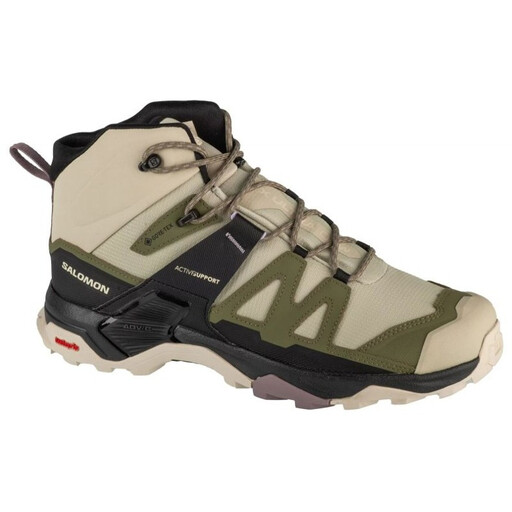
Why this model stands out: The successor to a bestseller, the X Ultra 4 Mid successfully combines the agility of a trail running shoe with the stability of a hiking boot. Its ADV-C Chassis stabilises the foot without restricting it, which makes all the difference on technical trails.
Benefits:
Best for: The hiker looking for the Swiss Army knife of footwear: a protective and versatile model, ideal for day trips as well as short treks on varied terrain, all without the bulk of a heavy-duty hiking boot.
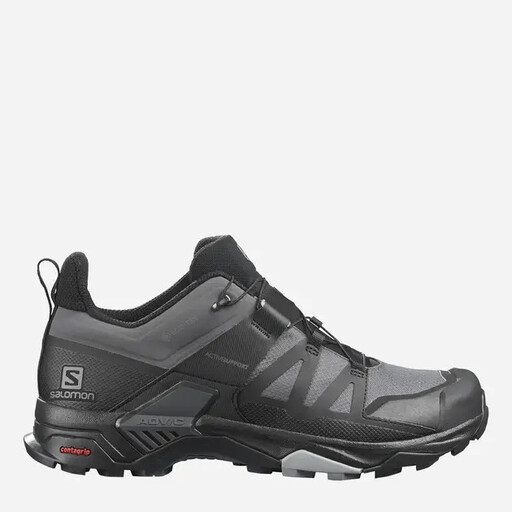
Why this model stands out: This is the "sprinter" version of the X Ultra 4. With its low-cut design, it's all about lightness and freedom of movement. It's designed for walkers who love to devour the miles and prioritise agility on technical trails.
Benefits:
Best for: The "fast hiking" enthusiast who wants a fast and light men's walking shoe for day trips on demanding trails, whatever the weather.
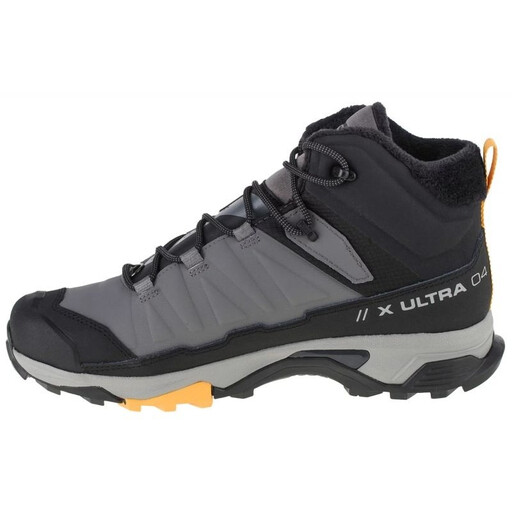
Why this model stands out: Specifically equipped for winter, this version includes thermal insulation to brave the bitter cold, in addition to the essential waterproof membrane. A true four-season winter hiking boot... or rather, a one-season specialist!
Benefits:
Best for: The adventurer who doesn't hang up their boots at the first snowflake. Perfect for snow hikes, snowshoeing outings, or simply keeping your feet warm and dry every day when the temperature drops.
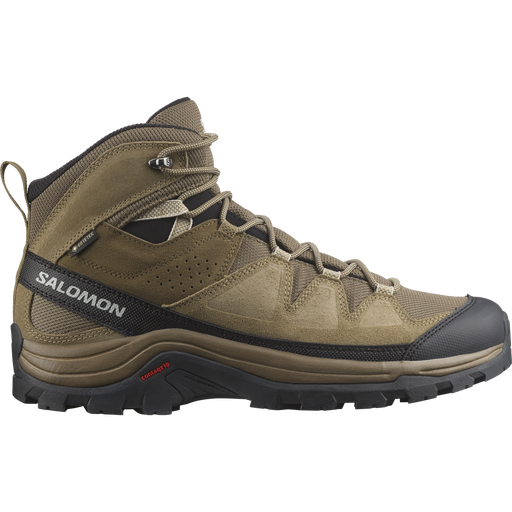
Why this model stands out: The Salomon Quest Rove GTX is the quiet powerhouse. It has a classic adventurer look with its suede leather, but its performance is resolutely modern. Its high cut and reinforced structure are built for long-distance treks with a fully loaded backpack.
Benefits:
Best for: The trekker who is heading out for several days and makes no compromises on reliability. This is the ultimate trekking boot, designed for adventures where robustness and support are non-negotiable.
If these models don't check all your boxes or if you're simply curious to explore other gear offering optimal support for your activities, take a look at our complete selection. You're sure to find what you're looking for.
Discover our selection of sport shoes with the best support.
How do I care for my Salomon Gore-Tex boots to make them last? The secret is regular maintenance. After each outing, clean off mud with a soft brush and lukewarm water (never use detergent!). Remember to remove the insoles to let everything air out properly. Finally, let them dry naturally, and most importantly, away from a direct heat source (radiator, fireplace, etc.) which could damage the membrane and glues.
Hiking or trekking: what's the real difference? Although the terms are often confused, the distinction is simple. A trekking boot is a heavyweight: more robust, a higher cut, and a stiffer sole. It's made for multi-day expeditions with a large pack on demanding terrain. A hiking boot, on the other hand, is lighter and more flexible, ideal for day trips or a weekend away.
A Gore-Tex shoe in the middle of summer: good idea or bad idea? The Gore-Tex membrane is breathable, but it has its limits. In very hot, dry weather, a non-membrane shoe will always be more ventilated. It's all about context: if you might encounter rain, tall dewy grass, or stream crossings, Gore-Tex remains your best ally. Otherwise, opt for maximum ventilation.