People comparing bottle sizes
If you’re ordering salad dressing for everyday salads, the bottle size and collection or delivery options can help you choose between different products.


When ordering salad dressing, first choose a recipe to suit your dishes and a bottle size you’re likely to use, then check the ingredients on the specific bottle. A flavoured or organic option is a matter of recipe preference, while a larger bottle is mainly suitable for regular use, provided you follow the storage instructions after opening. Finally, check the collection or delivery options available from your store.
If you’re ordering salad dressing for everyday salads, the bottle size and collection or delivery options can help you choose between different products.
Some of the recipes covered contain mustard, sulphites or milk, but not necessarily all of them. Checking the ingredients on each bottle helps you choose one that suits your household’s needs.
Honey and mustard, balsamic, herb or sesame dressings each suit different tastes and dishes compared with a plain dressing.
Start by choosing a recipe and quantity that suit the way you’ll use it. Then check the ingredients, nutritional information and product-specific instructions before placing your order.
| Factor | What to check | Who is it for? |
|---|---|---|
| Comparing options in your basket | Compare bottle sizes, then select your store and the available collection or delivery option. | When shopping online, I want to compare bottles of different sizes before choosing where to collect my order. Around 29% of consumers prioritise this comparison. |
| Allergens and ingredients | Read the ingredients list and check the allergens highlighted on the exact product you’re considering. | If someone in my household needs to avoid an ingredient, a description such as ‘plain’ or ‘light’ isn’t enough to guide my choice. This is the first thing around 23% of consumers check. |
| Nutritional information | Compare fat, sugar and salt on the same basis: per 100 g or per 100 mL, as shown on the label. | I want to compare the nutritional values of two recipes rather than relying on the word ‘light’ alone. For around 18% of consumers, this is the main consideration. |
| Flavour and recipe type | Check which vinegar, oil and other ingredients define the recipe. | To go with a particular dish, I’m looking for a honey and mustard, balsamic or herb dressing rather than a plain recipe. Around 18% of consumers prioritise their choice of recipe above all else. |
| Size and storage | Check the bottle size and storage instructions for after opening. | If I don’t use salad dressing often, I prefer a bottle I can finish while following its storage instructions. Bottle size is the main concern for around 12% of consumers. |
The recipes featured by Carrefour, Amora and Auchan have different ingredients, including mustard and, depending on the product, sulphites or milk. The recipe name is no substitute for checking the ingredients list.
Check the allergens highlighted on the product you’re ordering, even if you’re already familiar with the brand.
For its 1 L light plain dressing, Auchan recommends keeping it in the fridge after opening and consuming it within a month where possible. This guidance applies to that product, not to all salad dressings.
Choose a bottle size that suits how often your household uses this sauce, and read the instructions on the bottle you select.
A larger bottle could lead to waste if you can’t finish it while following the stated storage instructions.
These examples cover recipes and bottle sizes worth considering individually; a brand name alone doesn’t tell you everything about its salad dressings.
Carrefour’s product listing features a 50 cL light mustard dressing, available for collection or delivery depending on the store.
The light wholegrain mustard and honey option is for anyone looking for a specific recipe rather than a plain dressing.
The products covered include a 1 L light plain dressing and a 35 cL organic balsamic vinegar dressing.
ALDI offers Dilecta dressings in plain, mustard and fine herb varieties, in 500 mL bottles.
E.Leclerc DRIVE offers several ways to receive your shopping and displays the Nutri-Score for its food brands.
This selection includes two Maille dressings and three salad sauces with more distinctive flavours. A sesame or spicy salad sauce may not be a direct substitute for a vinaigrette, so start by choosing the seasoning you’re looking for, then check the product size, ingredients and instructions.
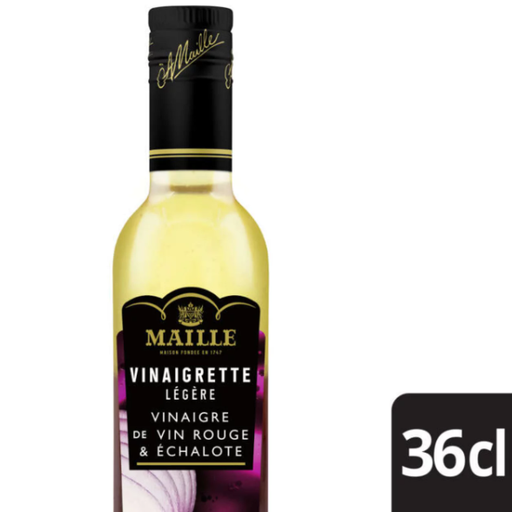 Image unavailable
For dressing salads or raw vegetables with a red wine vinegar recipe. The bottle contains 36 cl. If mustard or sesame is a concern for you, check the allergen declaration on the bottle. Also follow the storage instructions for after opening.
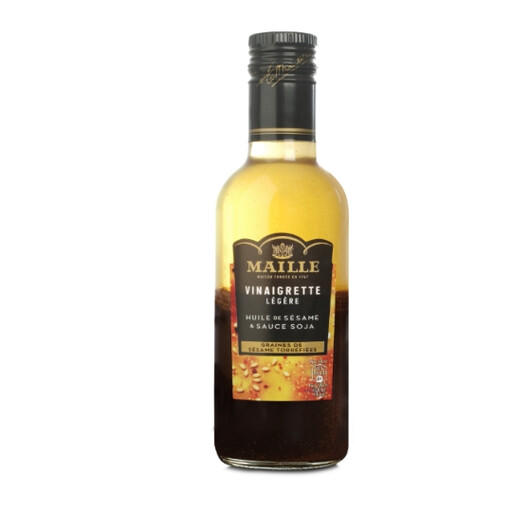 Image unavailable
Worth considering if you’re looking for a soy and sesame dressing rather than a plain recipe. The bottle contains 360 ml. Check the information on soy, wheat, sesame and mustard if any of these ingredients are a concern for you, and read the instructions for after opening.
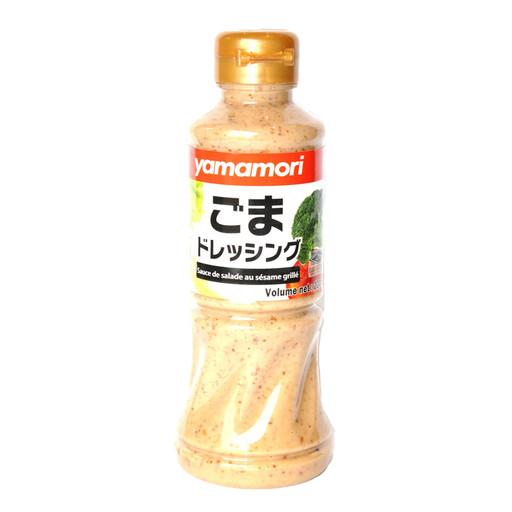 Image unavailable
This 220 ml bottle is an option if you’re looking for a toasted sesame salad sauce rather than a classic vinaigrette. Check the allergen declaration, particularly for sesame, soy and wheat, then read the storage instructions for after opening.
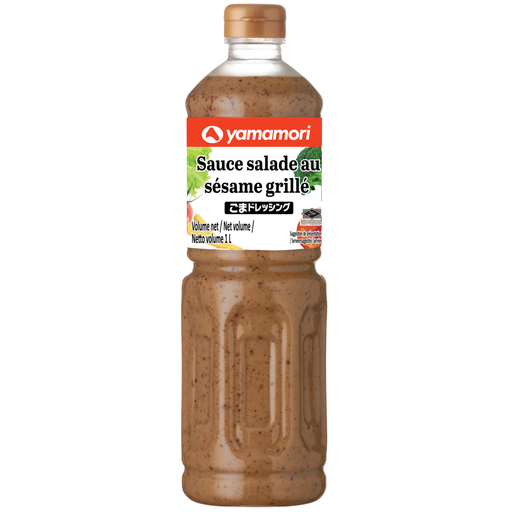 Image unavailable
This 1 L version of the toasted sesame salad sauce could suit frequent use, provided you can use that amount while following the instructions for after opening. Also check the information on sesame, soy and wheat if any of these ingredients are a concern for you.
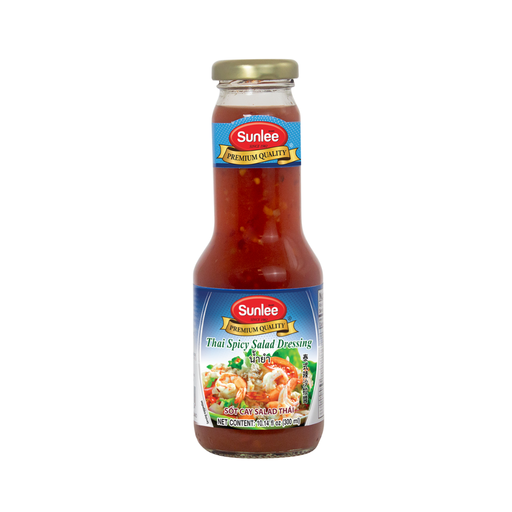 Image unavailable
Choose this 300 ml spicy salad sauce if it suits your dish, rather than treating it as a direct substitute for a plain vinaigrette. Check the product information for fish and salt content before ordering.
Check the product name, net quantity, ingredients, allergens and nutritional information before choosing. The DGCCRF reminds shoppers that allergens must be highlighted on the label. When ordering online, make sure you can access the information you need to make your choice.
No. Compare the nutritional values and ingredients lists of the products in question. Make sure you’re comparing like with like, using the stated basis of per 100 g or per 100 mL, as these are not the same measure.
Follow the instructions on the bottle you choose, as they vary between recipes. For its 1 L light plain dressing, Auchan recommends keeping it in the fridge and consuming it within a month of opening where possible.
No, it isn’t always displayed. E.Leclerc DRIVE says it uses the Nutri-Score for its food brands and, where possible, for national brands too. If it appears, also check the product’s ingredients and nutritional information.