Shoppers looking for ready-to-serve dressing
You want to stock your cupboard with a sauce that already has its recipe and instructions on the packaging, rather than buying a container to fill yourself.


Choose a ready-made dressing if you want a sauce you can serve without any preparation, with the recipe and instructions on the packaging. If you’d rather make your own, choose a glass container intended for food use and check its lid and usage instructions. A jar alone doesn’t determine how long homemade dressing can be kept in the cupboard.
You want to stock your cupboard with a sauce that already has its recipe and instructions on the packaging, rather than buying a container to fill yourself.
You want to choose the ingredients and use a glass container suitable for food contact to store your dressing.
You’re looking for a reusable container, while checking that the jar and its lid are suitable for the intended food use.
When stocking your cupboard, first decide whether you want a ready-to-serve sauce or would rather make your own. If you choose the latter, the container you pick will depend on how much you plan to make and the storage instructions you need to follow.
| Criteria | What to check | Who is it for? |
|---|---|---|
| Ready-to-serve sauce | Compare the recipe, allergens and size of the product you’re considering, then read the instructions for after opening. | If I want to dress a dish without making the sauce, an already-labelled recipe comes first; around 42% of consumers prioritise this convenience. |
| Homemade dressing | Choose a container intended for food contact and check the information about its lid and use. | If I want to measure out the ingredients myself, I also need a container that suits my preparation; around 33% of consumers put control over the recipe first. |
| Container size | Check the capacity, how much space it takes up and the cleaning instructions before choosing a jar or bottle. | If I’m making a small amount of dressing, I don’t want a large jar taking up cupboard space; around 25% of consumers prioritise size and storage. |
The material alone doesn’t show that a container is intended for salad dressing. The DGCCRF recommends using containers designed for cooking or storing food.
Look for an explicit statement that it’s suitable for food use, or the glass-and-fork symbol, and follow the manufacturer’s instructions.
A 2 or 3 L jar takes up more space than a small container and may be much larger than you need for the amount you plan to make.
Choose the capacity based on how much you use and plan to make, rather than simply picking the size available on the shelf.
A SilverCrest fermentation jar sold by Lidl has features designed for that purpose. Their presence doesn’t mean it’s better for storing or pouring salad dressing.
For homemade dressing, check that the container is intended for food use, along with the type of lid and the cleaning instructions.
Carrefour lists Amora vinegar in a 500 ml glass bottle. That doesn’t tell you what packaging the same brand’s salad dressing comes in.
Check the material and size of the specific salad dressing product you plan to buy.
A salad dressing brand and a jar brand cater to different purchases, so compare the sauce and the container separately.
Worth considering for ready-made salad dressing or vinegar to use in your own recipe.
Worth considering for comparing Carrefour salad dressings and, in a different aisle, glass jars.
Worth considering for comparing ready-made salad dressing recipes and sizes.
Worth considering for a glass container, while distinguishing between storage jars and fermentation jars.
Worth considering if you’re looking for large jars to organise your cupboard.
These oil or vinegar bottles and glass food containers are for making or storing food at home, not for buying ready-to-serve salad dressing. Check what each container is intended for before putting a mixed sauce in it.
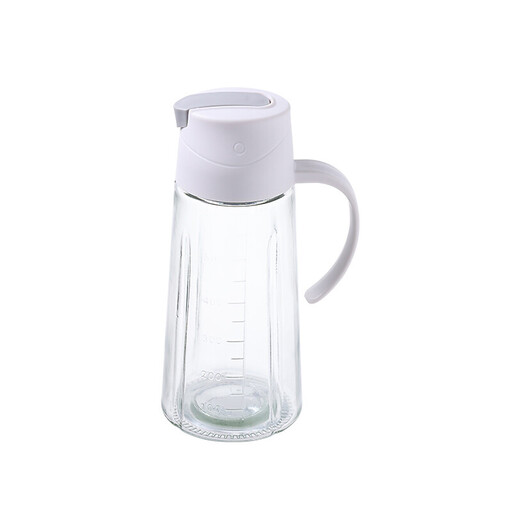 Image unavailable
Worth considering if you’d rather pour dressing from a bottle than spoon it out of a jar.
The product name indicates an automatic opening and closing mechanism and a 630 ml capacity. Check the cleaning and usage instructions before storing homemade dressing in it.
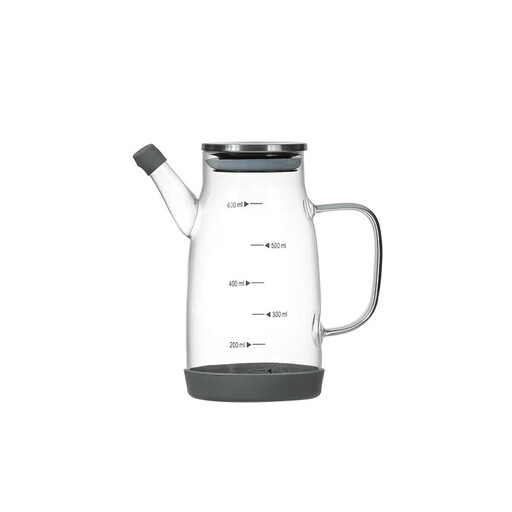 Image unavailable
Worth considering if you’d prefer a 600 ml pouring pot for cooking.
A lid doesn’t guarantee an airtight seal or that homemade dressing can be stored for a particular length of time. Check that the container is intended for food use and read the care instructions before using it.
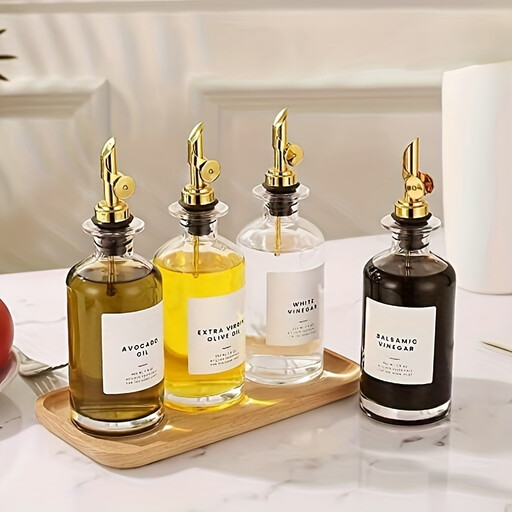 Image unavailable
Worth considering if you’d like two bottles to organise your dressings.
Check the capacity of each bottle, the cleaning instructions and the usage information before storing mixed salad dressing in them.
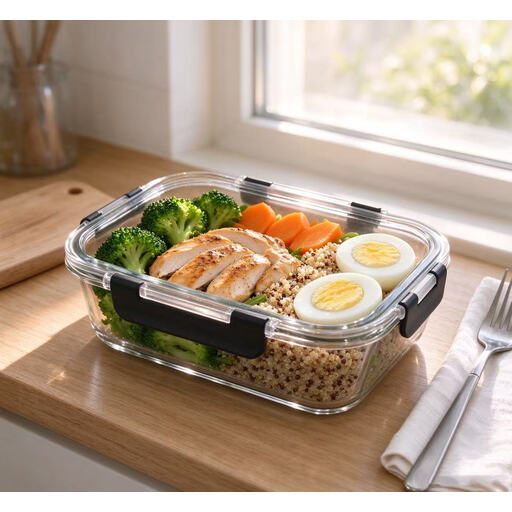 Image unavailable
Worth considering for storing food in containers rather than pouring salad dressing directly from one.
The set includes five 1040 ml containers and five 370 ml containers, with lids described as leakproof. Check the instructions for liquids, lids and cleaning before using them this way.
No. The fact that it’s made of glass doesn’t tell you what the container is intended for. The DGCCRF recommends using containers designed for cooking or storing food. Check the stated use and follow the manufacturer’s instructions.
Don’t assume it will keep simply because it’s in a sealed jar. Follow the storage instructions for the recipe and its ingredients, rather than assuming the container makes it suitable for cupboard storage.
Not simply because it’s a fermentation jar. The SilverCrest model described by Lidl has features intended for fermentation. For salad dressing, first check that the container is intended for food use and how to care for it.
Choose a size you can use in line with the instructions on the product you buy, particularly after opening. Carrefour and Auchan catalogues list several sizes, including 35, 50 and 75 cl, as well as some 1 L products.