
Livraison le jour même ou le lendemain

Qualité garantie

Débloquez vos offres de bienvenue: Livraison GRATUITE | Jusqu'à -80 % | 30 jours d'essai gratuits à JoyPlus
Téléchargez l'application
By the Joybuy Editorial Team
Sake is both intriguing and fascinating. Often simply called "rice wine," this traditional Japanese spirit actually offers a spectrum of flavours as rich and complex as that of fine wines. But when faced with terms like Junmai, Daiginjo, or Nigori, it's easy to feel lost when choosing your first bottle.
Don't worry! This guide is here to give you a smooth introduction. We'll demystify the basics of sake, give you the keys to finding the perfect bottle for your tastes and for any occasion, and present a selection that showcases the full diversity of this world. The goal? To turn your first purchase into a simple and memorable experience.
Navigating the world of sake is much simpler than it seems. Here are a few key criteria to guide you.
Sake classification is based on two main criteria: the rice polishing ratio and whether or not distilled alcohol has been added. To start, just remember these two main families:
Just like with wine, the moment you plan to drink it is key.
One of sake's greatest strengths is its versatility: it can be enjoyed at a wide range of temperatures. While most premium sakes are best enjoyed chilled (between 8 and 15°C) to preserve their delicate aromas, some, especially the more robust Junmai types, reveal another side to their character when heated (around 40-50°C). A single bottle can thus offer multiple experiences.
To get you started or to simply discover new gems, here are three bottles we recommend, each with its own distinct style.
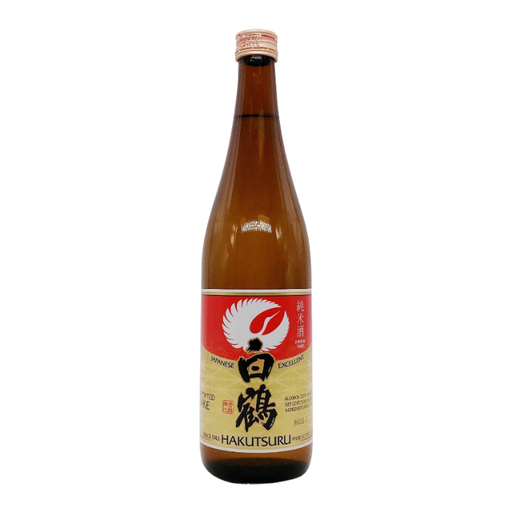
Why we love it: This is the ultimate versatile sake. As a Junmai sake, it offers a balanced flavour profile and a smooth texture that make it very approachable. It's an excellent gateway into the world of traditional sake.
Highlights:
Who is it for? Ideal for beginners looking to discover an authentic sake, as well as for those seeking a reliable choice to accompany an Asian-inspired meal.
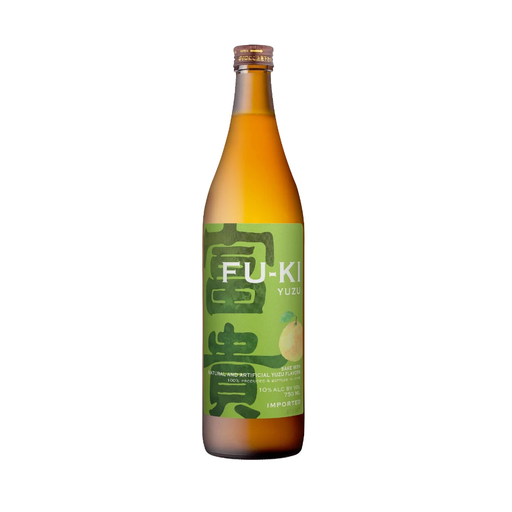
Why we love it: This unique drink combines the smoothness of Junmai sake with the zesty freshness of yuzu. The result is an incredibly refreshing drink that's truly off the beaten path.
Highlights:
Who is it for? Perfect for those looking for an original alternative to white wine or cocktails. It will appeal to lovers of citrus flavours and those who want to discover a more modern and unpretentious side of sake.
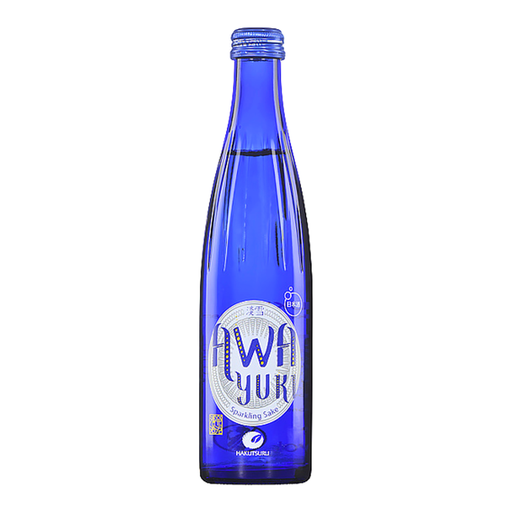
Why we love it: This sparkling sake is a festive and approachable option. The Hakutsuru Shuzo brewery uses a special yeast that gives it distinct citrus aromas, making it a quintessential celebratory drink.
Highlights:
Who is it for? For those looking for an alternative to Champagne or Prosecco. It's an excellent option for a festive aperitif, a brunch, or to accompany a fruit dessert.
This selection is just a gateway into the infinite world of sake. Each region and each brewery (kura) has its own production secrets, offering a myriad of profiles to explore.
To discover other styles, more complex sakes, or rare cuvées, feel free to browse our complete collection.
Explore Our Full Range of Sake and Japanese Rice Wine
In reality, there is none! The term "Japanese rice wine" is simply the common name for sake (nihonshu, 日本酒) in the West. However, the comparison ends there: sake is brewed, not vinified, a process closer to that for beer. The starch in the rice must first be converted into sugar before it can ferment.
Once opened, a bottle of sake should be tightly sealed and kept in the refrigerator. Unlike spirits, sake oxidizes and its flavours evolve. It is best to consume it within a week of opening to enjoy the full subtlety of its aromas.
Absolutely. Sake is an essential ingredient in Japanese cuisine. It is used to tenderise meats, deodorise fish, or add a deep umami flavour to broths and sauces. A versatile Junmai sake like the Hakutsuru featured above makes an excellent cooking sake.