
Livraison le jour même ou le lendemain

Qualité garantie

Débloquez vos offres de bienvenue: Livraison GRATUITE | Jusqu'à -80 % | 30 jours d'essai gratuits à JoyPlus
Téléchargez l'application
Buying baby products is not just about comparing prices. Between promises of softness, absorbency and ergonomic design, some essential information can easily be overlooked: recommended age, weight limits, materials, care instructions and safety precautions.
To avoid choosing unsuitable products, keep an eye out for these three common pitfalls:
Here are the criteria to review before filling your basket with baby-care essentials.
The age shown on the packaging provides an initial indication, but a child’s weight is often more useful when choosing nappies and certain baby carriers. For example, a size 5 nappy pack designed for 12 to 17 kg should not be chosen based on age alone.
For an ergonomic baby carrier, check in particular:
A cotton baby carrier with a quick-release buckle may state a usage range of 3.2 to 20 kg, but you should still read the instructions carefully. The carrier must be adjusted every time it is used, with the baby’s face uncovered and airways monitored.
When choosing baby-care products, it is better to read the ingredients list rather than rely on slogans alone. Pampers Aqua Soft Touch Baby Wipes, for example, are described as containing 99% water, with no alcohol or fragrance, according to the product information. They are intended for external use and must not be flushed down the toilet.
For feeding accessories, look for precise information such as:
A newborn baby bottle with a capacity of 150 ml may feature a physiological teat, a wide neck and a ventilation system. Nevertheless, it should be sterilised before first use, cleaned after every feed and replaced at the first sign of wear.
A practical product is also one that you can clean properly. Baby spoons and forks should be rinsed after every meal, dried thoroughly and inspected for any cracks or loose parts. Adult supervision remains essential during use.
For a baby bath seat, non-slip suction cups never remove the risks associated with water. They must adhere to a clean, smooth surface, but a child must never be left alone, even for a few seconds.
Finally, single-use products, such as certain nappies and baby wipes, must not be washed or reused. The actual cost therefore depends on the number of items per pack, how often they are used and the format selected.
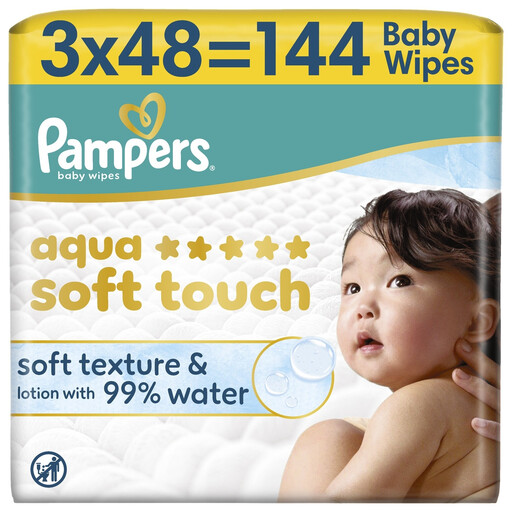
Why this choice suits this profile : With 144 wipes, this pack provides a useful supply for nappy changes at home or in your changing bag, without having to buy multiple different products.
The product information states that the formula contains 99% water, with no alcohol or fragrance. You should still monitor your baby’s skin and stop using the product if irritation occurs.
A texture described as soft, suitable for use from birth according to the product information, and resealable packaging to help prevent the wipes from drying out.
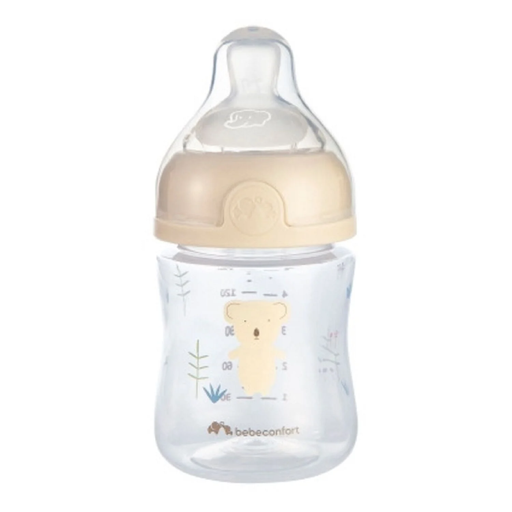
Why this choice suits this profile : Made in France, this bottle is aimed at families who value a practical capacity, a wide neck and a clearly described teat system.
The 150 ml capacity, suitability “from birth” and sterilisation instructions are clearly stated. However, the teat flow should be matched to your baby’s feeding pace.
A physiological teat, a wide neck and an anti-colic ventilation system specified by the manufacturer.
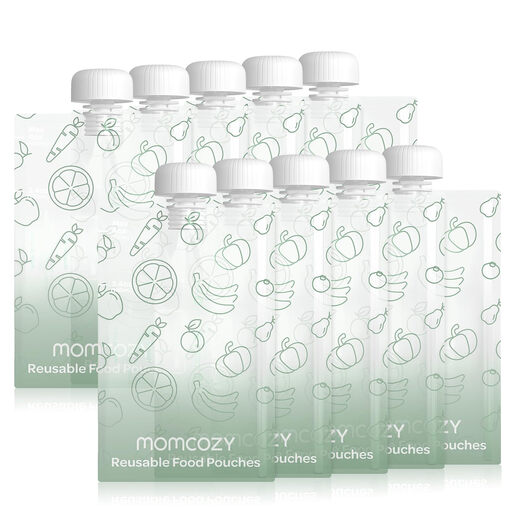
Why this choice suits this profile : These reusable food pouches are designed for preparing compotes, purées, yoghurts or snacks to take with you.
The double zip, self-standing base and dishwasher compatibility make filling and cleaning easier. Thorough drying is still essential.
A capacity of approximately 100 to 120 ml, plastic described as BPA-free, freezer compatibility and a pack of 10 pouches.
For organic baby food, the phrase “no added sugar” means that the sugars naturally present in fruit are still there. Baby fruit purées suitable from 4 months, such as those from Babybio or HiPP, should be offered in line with the recommendations on the packaging and your child’s weaning progress.
The available options include:
Before serving the product, check that the seal or container is intact, review the stated date and follow the storage conditions. Once opened, observe the refrigerated storage period shown on the packaging.
When choosing nappies, compare the weight range, fastening type and fit. Pull-up styles such as Pampers Baby-Dry Pants size 6 or BC Babycare Royal size 4 pull-up nappies may suit children who are constantly on the move. However, the fit around the thighs and waist should remain comfortable, without leaving lasting marks.
We have put together a complete, real-time-updated list of products that fully meet these strict selection criteria and European safety regulations.
Start with everyday essentials: nappies suited to your baby’s weight, wipes or cotton wool, clothes, a bottle if needed, a thermometer, toiletries and a way to carry your baby. For a baby carrier, pay particular attention to the minimum weight, head support and available adjustments before buying.
There is no universal lifespan that applies to every model. Inspect the bottle and teat after every wash. Replace the teat as soon as it develops a crack, becomes misshapen or shows signs of weakening. The manufacturer’s instructions and the product’s actual condition should guide your decision.
They can reduce the need to buy single-use containers if you use them regularly and care for them properly. Compare the pack price, capacity, ease of cleaning and whether they can be placed in the freezer. The actual cost also depends on the time spent washing and drying them.