Who is this choice for?

Older people who eat little or are losing weight

If someone’s food intake is falling, their afternoon snack shouldn’t be limited to a few rusks. The French Manger Bouger nutrition programme points out that nutritional needs do not necessarily decrease after the age of 75. French Health Insurance associates malnutrition with an insufficient intake of energy, protein and nutrients.

Older people with a known dietary restriction

Ingredients matter particularly when someone needs to watch their salt or sugar intake, avoid an allergen or follow a gluten-free diet due to coeliac disease. Compare the product you’re actually buying with the person’s dietary requirements rather than choosing based on a single claim on the front of the pack.

Older people who have difficulty chewing or swallowing

Texture takes priority over the recipe if someone coughs while eating or has been given specific texture guidance. The French National Authority for Health includes managing food textures among the measures used to prevent aspiration.

Which criteria should you check first?

First, make sure the texture is safe for the person to eat. Then compare the ingredients and the amount actually served, based on their main needs.

Criterion What to check Who it matters to
What the snack provides Check how much is eaten and, if suitable, plan to serve something alongside the rusk. When my appetite is reduced, I don’t want my snack to consist of just a cereal base; around 33% of consumers prioritise what their snack provides.
Chewing and swallowing Check for any difficulty swallowing and any specific texture guidance before serving a dry product. If biting or swallowing becomes difficult, texture determines what I can eat; it is the top priority for around 27% of consumers.
Sugar, salt and portion size Compare the nutritional information per 100 g with the amount served, taking the relevant restriction into account. I want to follow guidance on sugar or salt without automatically choosing a restricted recipe; this is the main concern for around 20% of consumers.
Ingredients and allergens Read the ingredients and allergen information on the pack, especially if gluten needs to be avoided. Before I think about taste, I need to rule out any ingredient that isn’t compatible with my diet; around 20% of consumers prioritise this precaution.

What pitfalls should you avoid?

  • Assuming “Digestive” promises to help with digestion

    Here, “Digestive” is a product name, not a claim that the biscuit relieves symptoms. Carrefour’s product listing for McVitie’s Digestive gives 483 kcal and 21.3 g of fat per 100 g. It’s a biscuit to assess by its ingredients, not a substitute for medical advice.

    Choose based on the ingredients and the portion you want to serve. If digestive problems develop or come with unintentional weight loss, seek medical advice.

  • Assuming all wholemeal rusks have the same salt content

    Auchan’s product listings give 1.1 g of salt per 100 g for Pasquier’s wholemeal wheat recipe with no added sugars, and 1.4 g for Heudebert’s wholemeal wheat recipe.

    If salt matters for the person, compare the amount per 100 g on the relevant packs.

  • Serving a dry rusk despite difficulty swallowing

    A fine or airy texture alone doesn’t mean a product is suitable for someone with swallowing difficulties. The French National Authority for Health highlights the importance of managing food textures to help prevent aspiration.

    Check the person’s texture guidance before offering a rusk or a crispbread.

  • Confusing “no added sugars” with being allergen-free

    A claim about sugars tells you nothing, on its own, about gluten or other allergens. The wheat recipes featured here are not suitable for strict gluten avoidance due to coeliac disease.

    Check the ingredients and allergen information on the pack you buy, even if it’s a product you know well.

Brands to know

Heudebert

Its range includes a wholemeal wheat rusk listed by Auchan.

  • For this recipe, Auchan’s listing gives 6.5 g of fibre and 14 g of protein per 100 g.
  • It also gives 1.4 g of salt per 100 g and contains wheat; check the allergens for the person who will be eating it.

Brioche Pasquier

An Auchan-listed wholemeal wheat rusk recipe carries the “no added sugars” claim.

  • The listing gives 12 g of fibre and 3.4 g of sugars per 100 g.
  • This recipe contains wheat and gluten; “no added sugars” does not mean it contains no carbohydrates.

Auchan

The recipes reviewed include wholemeal rusks with no added sugars and rusks with no added salt.

  • The listing for the no-added-salt rusks gives less than 0.01 g of salt per 100 g.
  • The wholemeal recipe with no added sugars gives 1.5 g of salt per 100 g, so choose according to the restriction that actually applies.

Cracotte

Auchan describes its wholegrain cereal crispbread as crunchy, with an airy texture.

  • It offers a different texture to consider when the person can bite and swallow without difficulty.
  • An airy texture doesn’t prove that it’s suitable for someone with swallowing difficulties.

McVitie’s

Digestive Original is a biscuit, so it’s worth distinguishing it from a rusk when choosing an afternoon snack.

  • Carrefour’s listing lets you compare its nutritional profile and ingredients with those of other products.
  • It gives 483 kcal and 21.3 g of fat per 100 g; the name “Digestive” doesn’t indicate any effect on digestion.

Two products to consider on Joybuy

These products meet two different needs for an afternoon snack: a wholemeal wheat recipe labelled “no added sugars” and rusks with no added salt. In both cases, first check that the person can bite and swallow the product.

Pack of Krisprolls Swedish Wholemeal Biscuits with no added sugars, 425 g

Krisprolls Swedish Wholemeal Biscuits with no added sugars, 425 g

Worth considering if you’re looking for a wholemeal wheat recipe labelled “no added sugars”. This doesn’t mean it contains no carbohydrates, so check the ingredients, allergens and serving size. Before offering this product to someone with swallowing difficulties, check their texture guidance.

View on Joybuy
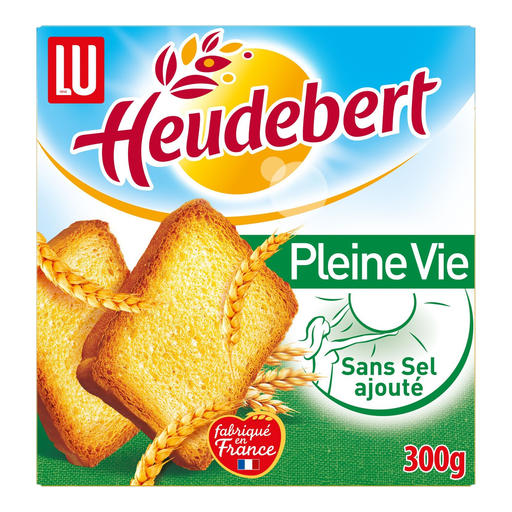
Pack of LU Heudebert rusks with no added salt, 300 g

LU Heudebert Rusks with no added salt, 300 g

Worth considering if reducing salt is one of the person’s dietary requirements. The name identifies these as rusks with no added salt, but also check the ingredients, allergens and amount served. If the person has difficulty chewing or swallowing, check their texture guidance before offering them.

View on Joybuy

Frequently asked questions

Can a “Digestive” biscuit help with indigestion?

The product name doesn’t mean it has an effect on digestion. If you choose one, treat it as a biscuit whose ingredients you’ve checked. If digestive symptoms are new or come with unintentional weight loss, seek medical advice.

What can you serve with rusks for an older person who eats little?

Don’t make rusks the only part of the snack. Serve them with other foods that suit the person and their ability to eat. French Health Insurance highlights the importance of getting enough energy, protein and nutrients; unintentional weight loss warrants medical advice.

Can you offer a rusk to someone who coughs while eating?

Check their texture guidance first rather than serving a dry rusk. The French National Authority for Health includes managing food textures as part of preventing aspiration.

Is a wholemeal rusk with no added sugars suitable for someone with coeliac disease?

Not if it contains wheat, barley, rye or gluten. French Health Insurance states that coeliac disease requires a strict gluten-free diet, so check the ingredients and allergen information for the product you buy.

What should you compare on the pack before buying?

Read the product name, ingredients and allergen information, then compare the nutritional values per 100 g with the portion you’ll serve. Depending on the person’s needs, pay particular attention to sugars, salt or fat.