For the base of a meal for one, choose a rusk or crispbread rather than a product simply labelled “Digestive”: Carrefour lists McVitie’s Digestives among its crunchy biscuits. If fibre is important to you, compare the recipes and their nutritional values per 100 g. Also check the ingredients, allergens and pack format for the specific product, without assuming that a wholegrain recipe will be better tolerated.
Who are these options for?
Shoppers comparing fibre content
When putting together a meal for one around a cereal-based product, they look at wholegrain or semi-wholegrain recipes and the fibre content per 100 g. Manger Bouger recommends choosing wholegrain or semi-wholegrain starchy foods.
Shoppers who pay close attention to ingredients
If you need to avoid certain ingredients, the recipe name alone isn’t enough: the ingredients list, allergens and any ‘may contain’ statements apply to the specific product. The DGCCRF reminds shoppers that allergens must be highlighted on the labels of prepacked foods in France.
Shoppers looking for a rusk, not a biscuit
The word “Digestive” can lead you to a different product category. Carrefour lists McVitie’s Digestives among its crunchy biscuits; check the product description if you’re looking for a rusk or crispbread to go with a meal.
What should you check before buying?
For a meal for one, first identify the type of product, then compare its ingredients and pack format according to what matters most to you.
| What to compare |
What to check |
Who is it for? |
| Fibre and cereals |
Whether wholegrain cereals are listed in the ingredients, and the fibre content per 100 g. |
If fibre is my priority, I want to compare recipes on a like-for-like basis rather than relying on the product name alone. Around 38% of shoppers would put this first. |
| Ingredients and allergens |
The listed ingredients and allergens, followed by the sugar and salt content per 100 g. |
If I need to avoid an ingredient or keep an eye on the product’s composition, a claim on the front of the pack doesn’t answer all my questions. This would be the priority for around 37% of shoppers. |
| Pack format |
The total weight, number of pieces, whether it contains individually wrapped portions, and storage instructions. |
For eating on my own, I want a pack I can use and store after opening. Around 25% of shoppers would put this practical consideration first. |
Common pitfalls to avoid
-
Assuming “Digestive” means a type of rusk
Carrefour lists the McVitie’s Digestives it features among its crunchy biscuits, not its rusks. The name also doesn’t guarantee that they’ll be easier to digest.
If you’re looking for something to accompany your meal, check the product description before comparing recipes.
-
Increasing your fibre intake too quickly
A rapid increase in fibre can cause bloating or intestinal discomfort, so a wholegrain recipe won’t necessarily be better tolerated.
If you’re changing your diet, increase your fibre intake gradually and make sure you drink enough water, in line with Manger Bouger’s advice.
-
Relying on a claim on the front of the pack
“Wholegrain” or “no added sugar” doesn’t tell you everything about allergens, total sugars or salt. The DGCCRF reminds shoppers that allergens must be highlighted on the labels of prepacked foods in France.
Read the ingredients list and nutritional information for the specific product you’re considering.
-
Assuming a pack is portioned
A meal for one doesn’t mean the rusks are individually wrapped. The listing for the 300 g Pasquier product we checked states that it does not contain individual sachets.
Check the number of pieces, the pack format and the storage instructions before choosing.
Brands and retailers to know
Heudebert
In Auchan’s rusks and crispbreads aisle, Heudebert features products including “Fibres Plus”, “6 céréales” and “sans sel ajouté”.
- These product names point to different recipes worth comparing.
- Check the nutritional values and allergens for the specific product: the range name isn’t a substitute for the label.
Carrefour
Carrefour’s range includes wholewheat rusks and products with no added salt.
- The product descriptions make it easy to spot different recipes to explore.
- To compare fibre or salt, check the values per 100 g for each product.
Auchan
The retailer’s range includes wholewheat rusks with no added sugar and wholemeal crispbreads.
- The Auchan listing for a Pasquier wholewheat product with no added sugar states that it contains 12 g of fibre per 100 g, a value specific to that product.
- “No added sugar” doesn’t mean sugar-free: check the nutritional information and ingredients.
Aldi / BON&BIO
ALDI France stocks a BON&BIO wheatgerm rusk in a 300 g pack.
- This product may suit shoppers looking for wheatgerm rusks.
- The name alone doesn’t tell you its fibre content or how easy it is to digest.
Rusks and crispbreads on Joybuy
These rusks and crispbreads can make a good base for a meal for one. Their product category and pack format are listed below. To choose based on fibre, salt or allergens, compare the label on the specific product.
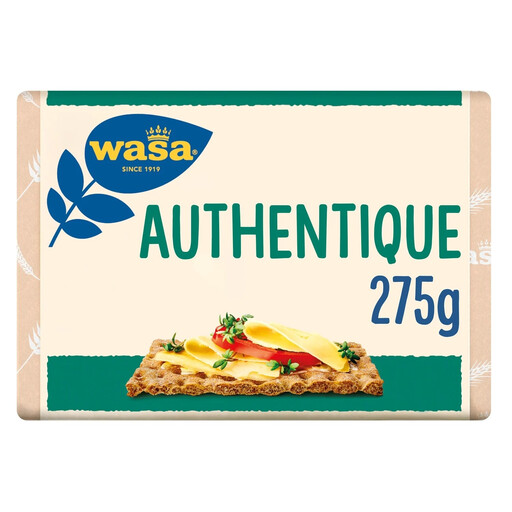 Image unavailable
WASA Authentic crispbread 275 g
A crispbread to consider if you’re looking for a cereal-based option rather than a “Digestive” biscuit. The pack is listed as 275 g; compare the fibre content per 100 g and check the allergens and pack format on the label.
View on Joybuy
 Image unavailable
KRISPROLLS Swedish Rusk Complete Nature Unsweetened, 240 g
A Swedish crispbread option to serve with a meal for one. The product name specifies a 240 g pack and the Unsweetened variety; check the sugar content in the nutritional information, as well as the allergens and number of pieces on the pack.
View on Joybuy
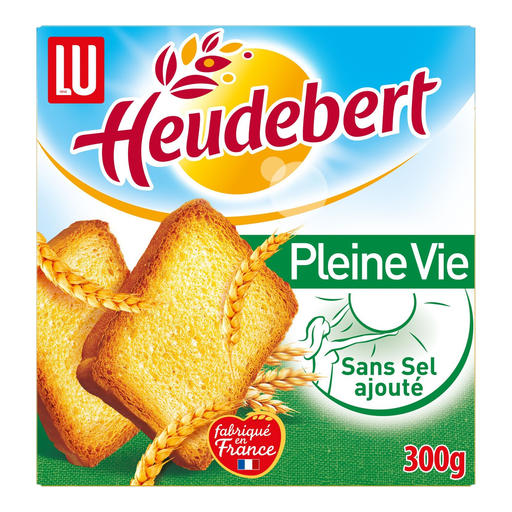 Image unavailable
LU Heudebert Unsalted rusks 300 g
A rusk option to consider if salt content is part of your decision. The pack is listed as 300 g; the Unsalted variety is no substitute for checking the salt content per 100 g, allergens and number of pieces.
View on Joybuy
Frequently asked questions
Can a “Digestive” biscuit replace a rusk in a meal?
They’re different types of product: Carrefour lists the McVitie’s Digestives it features among its crunchy biscuits. If you’re looking for a rusk as the base for a meal, check the product description and ingredients before choosing.
How can I compare rusks by fibre content?
Compare the fibre content per 100 g and check which cereals are listed in the ingredients. Manger Bouger recommends wholegrain or semi-wholegrain starchy foods. If you increase your fibre intake, do so gradually and make sure you drink enough water.
What should I check on the label if I need to avoid an allergen?
Read the ingredients list, check which allergens are highlighted and look for any ‘may contain’ statements on the specific product. The DGCCRF reminds shoppers that allergens must be highlighted on the labels of prepacked foods in France.
How can I choose a practical pack for one person?
Check the weight, number of pieces, whether there are individual sachets and the storage instructions. Don’t assume a pack is portioned just because it’s small: the listing for the 300 g Pasquier product we checked states that it doesn’t contain individual sachets.


