Holidaymakers looking for wholegrains
If you want wholemeal wheat rusks for breakfast, compare the flour used and the fibre listed per 100 g. Check the salt content and allergens in your chosen recipe too.


For a holiday let, choose rusks according to your guests’ needs: opt for a wholegrain recipe if wholegrains matter, look for a ‘no added sugar’ or ‘no added salt’ claim if it meets a specific request, and choose a pack size that suits the breakfasts planned. The word ‘digestive’ alone tells you nothing about the ingredients, so check the nutritional information and allergens for the specific product you buy, especially if someone needs to avoid gluten.
If you want wholemeal wheat rusks for breakfast, compare the flour used and the fibre listed per 100 g. Check the salt content and allergens in your chosen recipe too.
When planning supplies for several guests, compare the net weight, number of slices and individual packets with the length of the stay and the storage space available.
If someone asks for a recipe with no added sugar or no added salt, check the exact product. These claims do not mean ‘gluten-free’: wheat-based recipes still need to be checked separately for allergens.
For breakfasts during a stay in a holiday let, start with your guests’ main needs, then check the pack size before buying several packets.
| Criterion | What to check | Who is it for? |
|---|---|---|
| Wholegrains and fibre | Wholemeal flour in the ingredients and fibre per 100 g; check the allergens too. | If I’m looking for wholegrains at breakfast, the recipe’s ingredients matter more than the word ‘digestive’. Around 36% of consumers put this need first. |
| Portions and storage | The net weight, number of slices or packets, and storage instructions after opening. | To cater for several people without opening lots of packets, I want a pack size that suits the breakfasts planned; this is the top criterion for around 29% of consumers. |
| Added sugar or salt | The exact claim on the packet, then the ‘sugars’ and ‘salt’ figures per 100 g. | When guests ask for a recipe with no added sugar or no added salt, I need to choose based on that specific feature. It comes ahead of other criteria for around 21% of consumers. |
| Allergens | The ingredients list, allergens and ‘may contain’ statements on the packet you buy. | If someone needs to avoid a listed ingredient, I check that the product is suitable before considering pack size or nutritional values. Around 14% of consumers make this their first check. |
The Carrefour Bio and Auchan wholegrain recipes featured here contain wheat; the 240 g KRISPROLLS product also lists gluten. So a wholegrain recipe is not, by itself, suitable for someone avoiding gluten.
If a guest needs to avoid an allergen, check the ingredients and allergen statements on the pack you actually buy.
Joybuy’s listing for the 240 g KRISPROLLS shows 1.1 g of sugars per 100 g despite this claim, describing them as naturally occurring sugars.
Compare the claim on the packet with the ‘sugars’ line in the nutritional information.
Net weight alone doesn’t tell you how many slices you’ll need during your stay. The number of individual packets can also affect how you open and use the supplies.
Compare the number of slices and packets with the number of guests and breakfasts, then follow the storage instructions on the packet.
An opened packet left unsealed can lose its crunch or go to waste.
Availability can vary by store or collection method. For example, Carrefour listed a Heudebert Forme+ product as unavailable for drive-through collection.
Before stocking your holiday let, check availability at your chosen collection point and find an alternative recipe that meets the same need.
The range includes cereal rusks as well as a no added salt option. Choose according to the specific recipe rather than assuming every product from the brand has the same features.
The retailer offers wholegrain and no added salt recipes, among others. Compare products individually.
Two products let you compare different features: a no added sugar claim and the nutritional values of a Bio wholegrain recipe.
ALDI lists a BON&BIO rusk made with wheat germ, which may suit you if it’s right for the breakfast you have planned.
These products include two KRISPROLLS wholemeal wheat pack sizes, Heudebert original rusks and LU CRACOTTE crisp slices. Choose according to the recipe you’re looking for, then check the pack size for your stay.
 Image unavailable
A pack to consider if you’re planning several wholegrain breakfasts. It contains 425 g; compare the number of slices and packets with the portions you need, and check the allergens on the packaging.
 Image unavailable
Worth comparing if you’re looking for a wholegrain recipe in a 240 g pack. Joybuy’s listing states that it contains 62% wholemeal wheat, 8.3 g of fibre and 1.1 g of sugars per 100 g; it also lists wheat and barley gluten. Check the number of slices when planning breakfasts.
 Image unavailable
A plain recipe to consider for a shared breakfast, but don’t mistake it for a wholegrain product. The pack contains 300 g; check the ingredients, nutritional information and number of slices if your guests have a specific requirement or you need to plan portions.
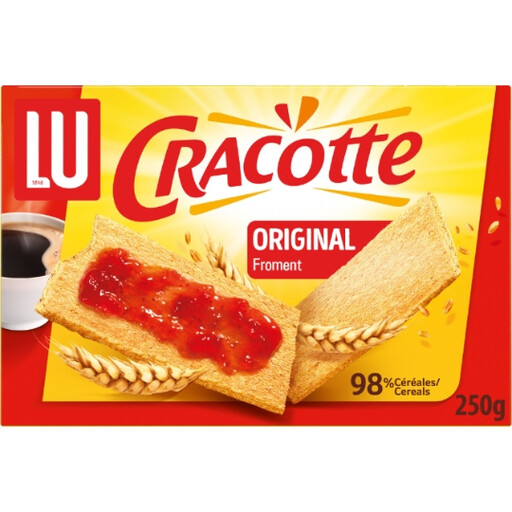 Image unavailable
These crispy slices are another breakfast option, but shouldn’t be confused with wholemeal rusks. The pack contains 250 g; check the ingredients and number of slices before adding them to your supplies.
No. The word alone doesn’t tell you what a rusk contains. If you’re looking for wholegrains, read the ingredients and compare fibre per 100 g: the Auchan Bio wholegrain listing states 6 g, while Joybuy’s listing for the 240 g KRISPROLLS states 8.3 g.
Not simply because they’re labelled ‘wholemeal’. The Carrefour Bio and Auchan wholegrain products featured here contain wheat, while the 240 g KRISPROLLS lists wheat and barley gluten. Check the allergens for the specific product before serving it.
No. Joybuy’s listing for the 240 g KRISPROLLS states that no sugar has been added, but also lists 1.1 g of sugars per 100 g, described as naturally occurring. Read both the claim and the ‘sugars’ line in the nutritional information.
Follow the instructions on the packet you buy. For its 240 g KRISPROLLS, Joybuy recommends storing the product in a dry place before opening, then sealing it tightly and keeping it somewhere cool and dry once opened. If the product contains several individual packets, only open the ones you need.
First compare the ingredients and allergens, then compare the nutritional values on the same basis, particularly sugars and salt per 100 g. The Directorate-General for Competition Policy, Consumer Affairs and Fraud Control reminds shoppers that the product name, ingredients and nutrition declaration are among the information to check on prepacked foods.