Hosts preparing a buffet with toppings
For bite-sized snacks, look at toasts and small crispbreads before large breakfast rusks. Carrefour France lists these as separate categories; check the size of each piece to make sure it suits your toppings.


For small bites to top, start by looking at brioche toasts; for a bread basket on the table, brioche rusks serve a different purpose. If ingredients are your priority, compare wholegrain or organic recipes on the label of the exact product you’re considering: none of these terms alone guarantees «premium» quality.
Your choice will depend on whether you’re preparing bites, serving rusks at the table or choosing a recipe for your guests.
For bite-sized snacks, look at toasts and small crispbreads before large breakfast rusks. Carrefour France lists these as separate categories; check the size of each piece to make sure it suits your toppings.
Brioche rusks can work well in a bread basket alongside sweet or savoury toppings. The Heudebert recipe listed by Carrefour France contains wheat, butter and milk-derived ingredients, among others. Check the label if these ingredients could affect your guests.
Compare the grains, allergens, salt, sugars and fibre in the specific product. Nutrition information per 100 g makes it easier to compare packs of different sizes, as explained by the DGCCRF.
For a Christmas table or market stall, start with how you plan to serve them: as bites with toppings, rusks to accompany a meal or a choice guided by ingredients.
| Criterion | What to check | Who is it for? |
|---|---|---|
| Serving format | Know the difference between rusks, toasts and crispbreads; check the number and size of pieces before planning your bites. | If you want small pieces to top without having to cut up larger slices, the format matters more than the recipe. Around 44% of shoppers would make this their priority. |
| Brioche recipe | Read the ingredients of the product you choose and, if needed, compare its nutrition information per 100 g. | When everyone is adding their own topping at the table, some people would choose brioche rusks first. This would be the main consideration for around 33% of shoppers. |
| Ingredients and allergens | Check the ingredients list, highlighted allergens and nutrition information per 100 g. | If your guests need to avoid certain ingredients, choosing the exact recipe becomes the main concern. Around 23% of shoppers would put this check first. |
This word won’t tell you how big the pieces are, what ingredients they contain or how you can serve them.
First decide whether you want bites to top, rusks for the table or a particular ingredient profile. Then compare the relevant labels.
Depending on the product, a brioche recipe may contain wheat, milk or eggs, and the topping adds its own ingredients. Possible traces can also vary from one product to another.
Read the allergen information on every pack you buy, and remember to check the topping you plan to use too, especially if you’re serving open-faced bites.
The pack of Carrefour Original brioche toasts listed by Carrefour France weighs 125 g, while other products come in heavier packs. Pack weight alone won’t tell you how many pieces you can use.
Check the number of slices or toasts, and plan portions based on their actual size.
Moist toppings can affect their texture. Auchan France also notes that one of its rusk products is sensitive to heat and humidity.
Keep packs sealed until you’re ready to prepare them, and try your chosen topping on a sample before serving.
These details apply to specific products, so always check the recipe and pack format you’re choosing.
Carrefour France lists a 290 g pack of Heudebert brioche rusks, among other products.
The Carrefour France catalogue lists rusks, crispbreads and toasts as separate categories, including 125 g packs of Carrefour Original brioche toasts.
Auchan France lists wheat rusks, wholegrain options and organic wholegrain rusks, among other products.
Aldi France lists a 300 g pack of BON&BIO® wheatgerm rusks.
These products are best suited to a bread basket with accompaniments or crispbreads with toppings. For small bites, check the size and number of pieces: pack weight alone won’t tell you how many portions you’ll get.
 Image unavailable
Plain rusks to consider for a bread basket, with toppings added at the table.
300 g pack. Check the number and size of the slices when planning portions, and check the allergens on the pack you buy.
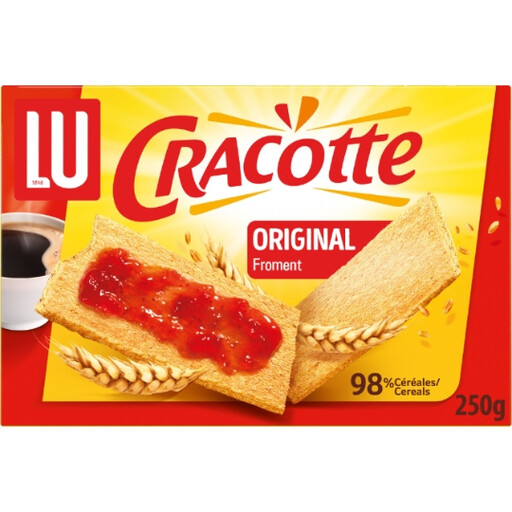 Image unavailable
Worth considering if you’d like to serve crispy slices with sweet or savoury toppings, rather than appetiser toasts.
250 g pack. Check the number of pieces and the ingredients on the pack before planning portions and toppings.
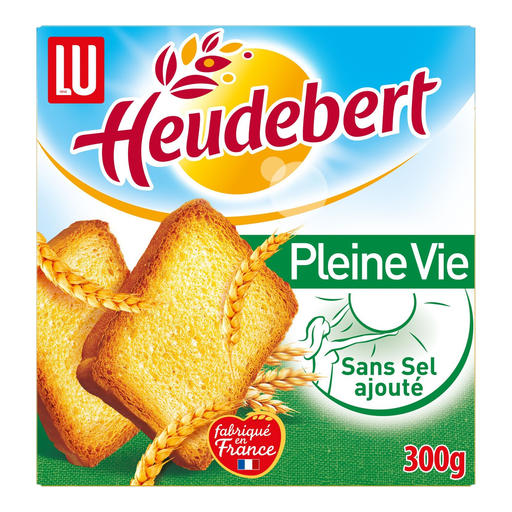 Image unavailable
This variety is worth checking if salt content is part of your comparison. Read the value on the pack rather than assuming from the name that it contains no salt at all.
300 g pack. Check the slice format, number of portions and allergens before serving them with toppings.
 Image unavailable
Wholegrain crispbread to consider as a base for appetiser toppings; it isn’t a traditional rusk.
425 g pack. Check the size and number of pieces to see whether this format suits the bites you’re planning.
Compare the nutrition information per 100 g, then check the ingredients, allergens and net quantity of each product. The DGCCRF says that nutrition information per 100 g makes it easier to compare prepacked products. For serving, also check the number and size of the pieces.
No: it won’t tell you the size of the pieces, what toppings they’ll suit or all the ingredients your guests may need to avoid. The DGCCRF describes it as a voluntary label, so check the ingredients list, allergens and nutrition information too.
Check the allergens in the rusks and each topping, as well as the food preparation and presentation requirements. If you’re running a stall, ask the organiser and local council which procedures and requirements apply to your activity. The DGCCRF highlights the importance of using surfaces and containers suitable for contact with food.
Follow the storage instructions on the pack and keep the rusks away from moisture. Auchan France notes that one of its products is sensitive to heat and humidity. If your topping is moist, try assembling a sample in advance and add the toppings as close to serving time as possible.