
Livraison le jour même ou le lendemain

Qualité garantie

Débloquez vos offres de bienvenue: Livraison GRATUITE | Jusqu'à -80 % | 30 jours d'essai gratuits à JoyPlus
Téléchargez l'application
The running shoe market is flooded with technology and marketing promises. Faced with hundreds of models, it's easy to feel overwhelmed or make a choice based solely on marketing claims rather than your actual needs. The wrong purchase isn't just a waste of money—it can also lead to discomfort or even injury.
As a Product and Selection Expert at Joybuy, my role is to help you cut through the noise. Let's break down the most common pitfalls together, so you can choose the pair of running shoes that's truly right for you.
The 3 Pitfalls to Avoid When Buying Your Running Shoes?:
To make the right decision, focus on a few objective technical parameters rather than marketing jargon.
This is the first factor to determine. Your primary running surface dictates the design of the outsole.
These two elements directly influence your feel for the ground and your running biomechanics.
Getting the size wrong is a deal-breaker. When running, your feet tend to swell. It's recommended to choose half a size, or even a full size up from your usual street shoe size. Make sure you have a thumb's width (about 1?cm) of space between your longest toe and the end of the shoe.
To show how these criteria apply in practice, here are a few models suited for different runner profiles.
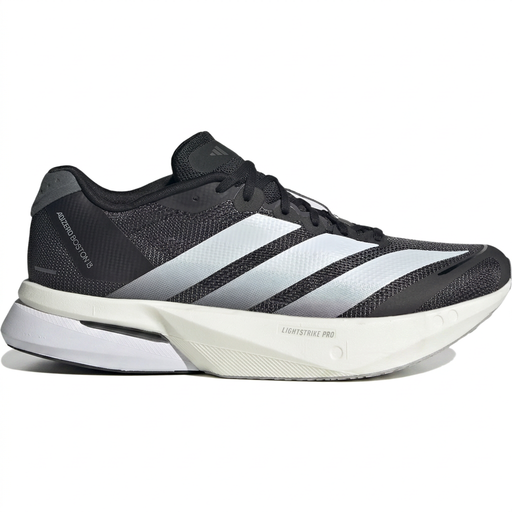
Why it's a match : Designed for fast training and race day, this women's running shoe is built for performance. It's ideal for runners looking to improve their times over distances from 10K to the marathon.
It doesn't fall into the trap of excessive cushioning. The combination of Lightstrike and Lightstrike Pro foams with ENERGYRODS delivers responsive and dynamic cushioning, not mushy comfort that saps energy.
Energy return designed for speed. Reliable grip on both dry and wet surfaces thanks to the Continental Rubber forefoot.
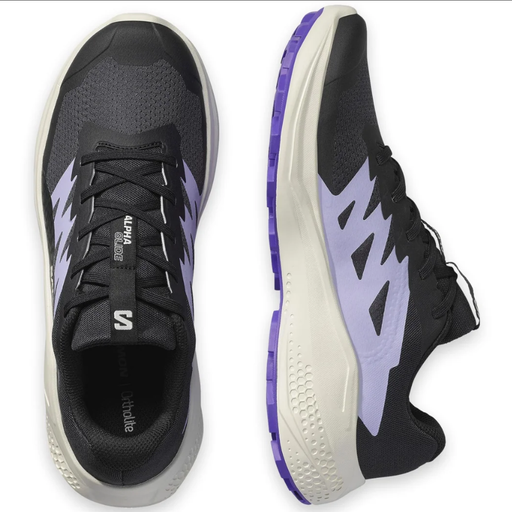
Why it's a match : This versatile trail shoe is perfect for runners who switch between different types of trails, from smooth paths to more rugged terrain. It offers an excellent balance of comfort and protection.
It avoids the "do-it-all" shoe trap by being specifically designed for the trail. Its outsole provides reliable grip and its anti-debris mesh upper protects the foot, something a road shoe couldn't do.
Highly versatile across different trail terrains. Secure foot lockdown and balanced cushioning for long-lasting comfort.
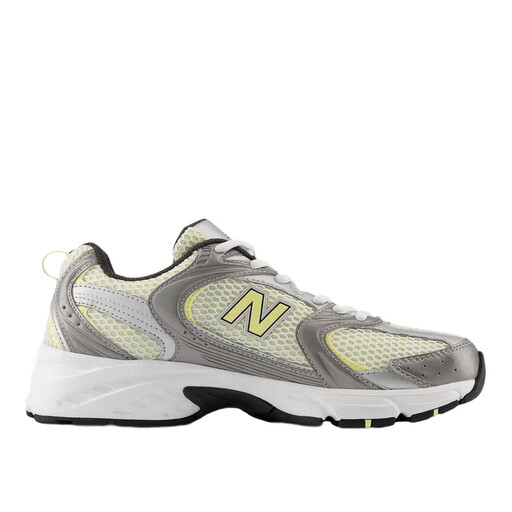
Why it's a match : This unisex model is perfect for those seeking a pair of lifestyle sneakers with a running heritage. It's very comfortable for walking, daily commutes, and low-intensity activities, all while offering a distinct retro style.
It avoids the "style over substance" trap by being honest about its purpose. This is an everyday shoe inspired by running, not a performance shoe. It provides excellent comfort for its intended use.
Iconic and versatile design. Lasting comfort for daily wear thanks to the ENCAP midsole and breathable upper.
We've compiled a comprehensive list of products that meet our criteria for quality and performance. Whether you're a man or a woman, a beginner or an expert, find the pair that's right for you.
As a general rule, a pair of running shoes should be replaced every 800 to 1,000 kilometers. However, this figure varies depending on your weight, your stride, and the surfaces you run on. Visible signs of wear on the outsole, a feeling of "packed-out" or dead cushioning, or the onset of unusual aches and pains are all indicators that it's time for a new pair.
It's not mandatory, but it's often a good idea. A treadmill surface is already cushioned, so you can opt for a lighter, less-cushioned shoe for indoor running. Using your road running shoes on a treadmill won't damage them, but the outsole wear will differ from that on asphalt.
Heavier runners exert greater impact forces and can benefit from more substantial and structured cushioning for better shock absorption and stability. Lighter runners can opt for more responsive and less cushioned models without sacrificing comfort. There's no absolute rule; the most important thing is to feel well-supported and comfortable during your run.