
Livraison le jour même ou le lendemain

Qualité garantie

Débloquez vos offres de bienvenue: Livraison GRATUITE | Jusqu'à -80 % | 30 jours d'essai gratuits à JoyPlus
Téléchargez l'application
Finding the perfect pair of running shoes can be a daunting task given the sheer number of options. Yet, whether you're a pavement pounder, a trail enthusiast, or a versatile runner, the right gear makes all the difference for your comfort, performance, and most importantly, injury prevention.
This guide is here to help you make sense of it all. As the Head of Product Recommendations at Joybuy, my role is to sift through the market to bring you concrete advice and a curated selection of relevant products, all without the unnecessary marketing jargon. Together, we'll break down the key criteria and review models designed for every type of running.
Before diving into our selection, let's review the three pillars that define the ideal running shoe for you.
The terrain is the number one criterion: it dictates the entire design of the shoe.
Cushioning is your best friend for absorbing shock with every stride. The level you need depends on your preferences, weight, and preferred distances. Maximum cushioning prioritises absolute comfort, ideal for long distances, at the risk of dampening the feel for the ground. Conversely, firmer cushioning will offer you more dynamism and responsiveness.
Stability is another key point. A stable running shoe incorporates reinforcements or specific technologies to guide your stride and control excess movement (like overpronation), a real bonus for many runners.
A lightweight and breathable shoe makes all the difference, especially when the temperature rises or the effort intensifies. Lightness reduces fatigue over distance, while good ventilation keeps your feet dry and helps prevent blisters. Materials like engineered mesh are therefore favoured to combine support and airflow.
Now let's move on to our selection of models that cater to different profiles, whether you're a dedicated road runner or a trail explorer.
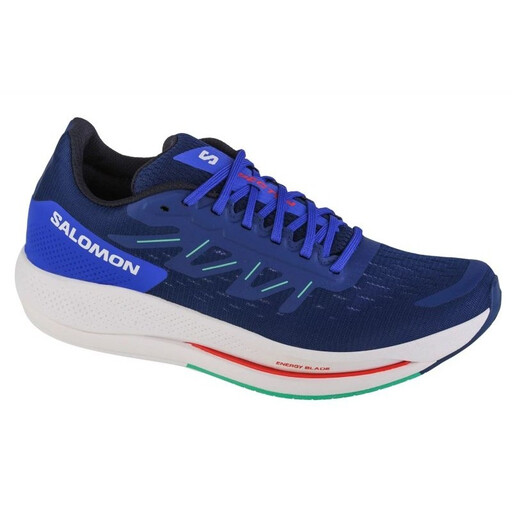
Why it stands out: The Salomon Spectur is built for road runners seeking the perfect balance between comfort and dynamism. It incorporates technologies that optimise every stride for better performance on asphalt.
Key features:
Who is it for? Ideal for the road runner, from 10Ks to marathons, who is looking for a daily trainer or race day shoe that offers a superb balance of cushioning and responsiveness.
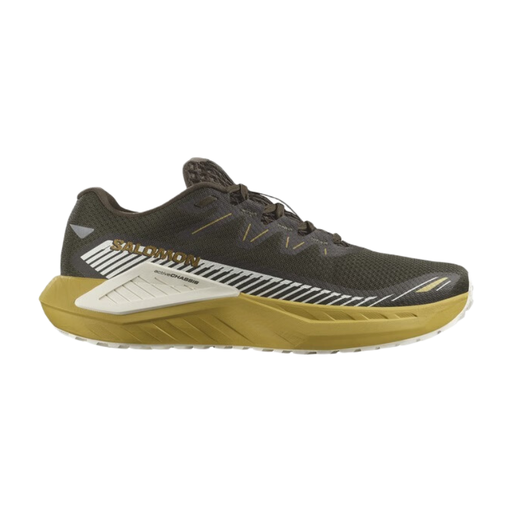
Why it stands out: This Salomon model is the epitome of a versatile shoe with a focus on stability. The DRX Defy GRVL was designed for runners who switch between pavement, gravel paths, and easy trails, and who are looking for enhanced support.
Key features:
Who is it for? Perfect for the adventurer who alternates between road, gravel paths, and easy trail shoes. It's a top choice for those who prioritise support and stability during their all-terrain running outings.
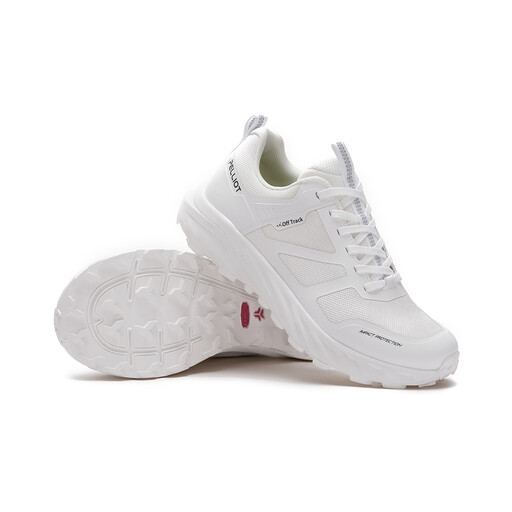
Why it stands out: The Pelliot is all about lightness and breathability for an agile and dynamic run. Its design makes it perfect for road-to-trail transitions, with a surprisingly grippy outsole on multiple surfaces.
Key features:
Who is it for? For runners looking for a lightweight and breathable shoe for outings on varied terrain, from urban parks to less demanding mountain trails. Its grip is a key asset when facing changing conditions.
Our selection covers several key needs, but the world of running shoes is vast. To explore other models, compare brands, or find that hidden gem for your specific needs, feel free to browse our full catalogue.
? Discover our complete collection of Men's Running Shoes to find the pair that matches your goals.
1. What is the lifespan of a pair of running shoes? It's generally recommended to replace your running shoes every 600 to 800 kilometres (about 370-500 miles). Of course, this lifespan depends on your weight, gait type, the terrains you run on, and the quality of the shoe. The warning sign? A feeling of "packed-out" cushioning or the onset of unusual aches and pains after your runs.
2. Should I alternate between several pairs of shoes? Absolutely, it's an excellent habit. Alternating between two (or more) pairs gives the midsole foam time to "breathe" and recover its full cushioning properties. Not only will you extend the life of your shoes, but you'll also reduce the risk of injury by varying the stress placed on your body.
3. How do I know if a running shoe has good cushioning? The concept of high-performance cushioning is very personal. Forget the idea that it's all about sole thickness! Foam technologies (like EVA, TPU, or brand-specific compounds) play a major role. The ultimate test is trying them out in real conditions: the shoe should provide comfort and impact protection without completely cutting you off from the feel of the ground (unless that "cloud-like" effect is precisely what you're aiming for during recovery runs).