
Livraison le jour même ou le lendemain

Qualité garantie

Débloquez vos offres de bienvenue: Livraison GRATUITE | Jusqu'à -80 % | 30 jours d'essai gratuits à JoyPlus
Téléchargez l'application
Running hands-free is a simple pleasure, but finding the right gear can be a real challenge. A poorly chosen running belt can turn a pleasant jog into a total nightmare, punctuated by bouncing, chafing, and the fear of your smartphone crashing to the ground. To avoid disappointment, it's best to know the common mistakes and make an informed choice.
The two most frequent pitfalls? Sacrificing function for form and underestimating the importance of materials. A belt might look perfect in photos but turn into a trampoline with your first few strides. Likewise, a non-breathable fabric will quickly create unbearable discomfort from sweat. The goal is to find an accessory that becomes completely unnoticeable during your workout.
To ensure you're not let down, focus on a few technical features that make all the difference. These objective criteria are the key to judging a model's quality and its suitability for your needs.
The ultimate deal-breaker for a running belt is instability. A belt that bounces with every stride is not only a distraction but also eventually causes irritation.
A good running phone holder belt does more than just carry your smartphone. It should offer well-designed storage to organise your belongings and let you access them without stopping.
Long-term comfort and visibility are two crucial aspects, often overlooked at the time of purchase.
Rather than an endless list, here are targeted recommendations by use case, based on performance and practicality criteria.
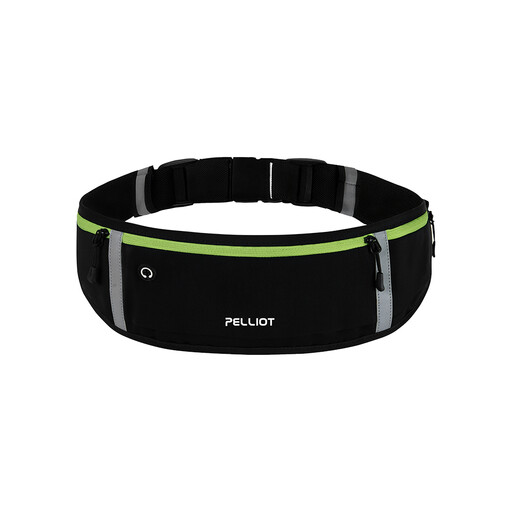
Why this choice? Perfect for regular runs in the city or on marked trails. It offers an excellent balance of lightness, storage capacity for essentials (phone, keys, card), and safety thanks to its fluorescent accents.
Its highly elastic belt and ergonomic shape ensure a firm hold, directly countering the bounce problem that plagues many entry-level models.
Its well-designed compartments and wide reflective strip provide optimal safety during night runs.
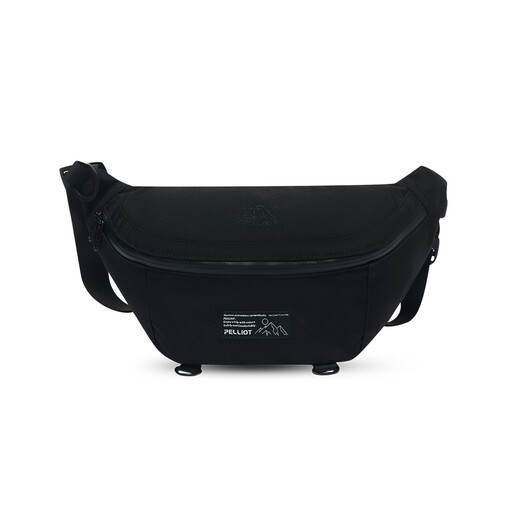
Why this choice? For those who want an accessory that can keep up with them while running, but also on light hikes, bike rides, or daily commutes. It's the perfect compromise between sport and lifestyle.
It avoids the trap of being an ultra-specialised accessory. Its four wearing options (waist, crossbody, chest, hand) offer a flexibility that purely sport-focused belts lack.
Its anti-abrasion, water-repellent fabric, coupled with reliable YKK zippers, makes it a robust ally for intensive use.
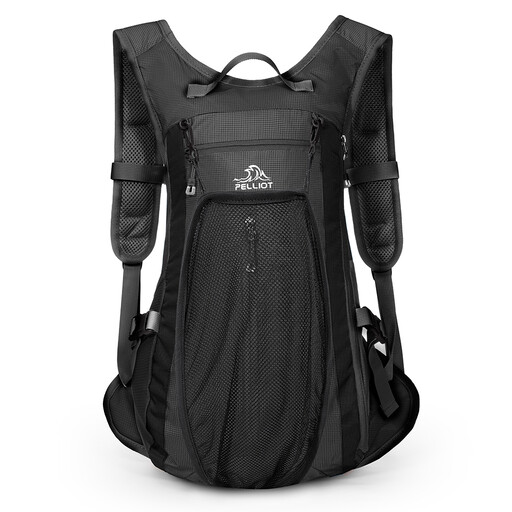
Why this choice? For trail and long-distance runners for whom a simple belt is no longer enough. This lightweight backpack allows you to carry hydration, nutrition, a jacket, and all essential gear.
It solves the main drawback of belts: their limited capacity. Its ergonomic harness system secures the pack against your back for perfect stability, without the bouncing of classic backpacks.
Its S.L.F. (Stable, Lightweight, Fast-access) design and ultra-durable ripstop polyester fabric are built for the toughest trail conditions.
We've curated a full range of products that meet our demanding standards.
Most manufacturers provide a size guide based on your hip or waist measurement in centimetres. Measure your circumference where you plan to wear the belt and compare it with the recommendations. If you're between two sizes, opt for the smaller one: a snug fit is the key to stability, especially for intense activities.
It all starts with choosing a model with a no-bounce design and a wide elastic band. Next, the fit is crucial: wear the belt snugly against your hips (the most stable area), but without it feeling restrictive. Finally, don't overload it. Distribute the weight evenly and only carry what is strictly necessary.
As a general rule, this is a very bad idea. Machine washing can damage technical fabrics, compromise their water-repellent treatment, deform elastic materials, and ruin the zippers. The best solution is to hand-wash it with a damp cloth and mild soap. Then, let it air dry away from any direct heat source. In any case, always check the product's care label.