
Livraison le jour même ou le lendemain

Qualité garantie

Débloquez vos offres de bienvenue: Livraison GRATUITE | Jusqu'à -80 % | 30 jours d'essai gratuits à JoyPlus
Téléchargez l'application
The promise is simple: run hands-free. But finding the right gear often turns into a headache. The running belt stands out as the obvious solution for carrying your phone, keys, and energy gels. However, many models on the market have design flaws that can turn a pleasant run into a total nightmare. To avoid any disappointment, it's crucial to know the most common pitfalls before you buy.
Here are the three problems that runners consistently encounter:
To make the right choice, rely on concrete technical criteria rather than marketing hype.
To ensure you don't make a mistake, three fundamental characteristics must be scrutinized. They determine the comfort, practicality, and durability of your accessory.
Stability is the non-negotiable criterion. A bounce-free running belt must hug the body's contours without ever feeling restrictive. To achieve this, look for models designed with:
A good running waist pack or sports pouch should be more than just a catch-all. The internal layout is essential for protecting your belongings and accessing them in a flash.
The materials directly impact the comfort and lifespan of your belt. For regular use, and especially for a trail running pack facing demanding conditions, certain points need to be inspected.
Instead of just a random list, we've matched specific models to user profiles to help you find the belt that truly meets your needs.
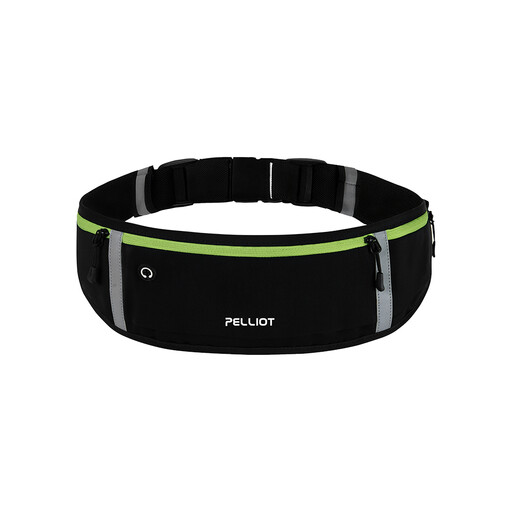
Why this model? Ideal for daily outings, it's designed for maximum stability during intense activities like running. Its lightweight and snug profile is easy to forget.
Its highly elastic strap and ergonomic shape neutralize bounce. The multiple zipped pockets put an end to storage headaches.
Ultralight fabric; extra-long reflective strip for maximum visibility; anti-sweat lining to keep your belongings dry.
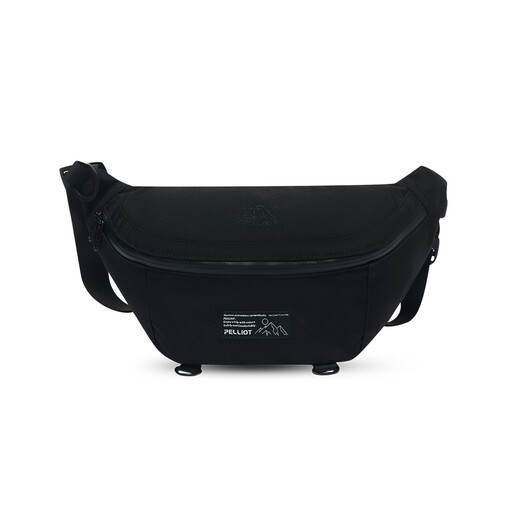
Why this model? For those who are out longer or carry more gear (gels, bars, a small power bank). Its superior capacity and robust fabric are perfect for trail runs and day hikes.
It avoids the storage trap with a generous volume and well-designed pockets. Its abrasion-resistant fabric and water-repellent coating offer enhanced protection against the elements.
Large capacity in a compact format; 4-in-1 versatility (wear as a belt, crossbody...); YKK zips and brand-name buckles for rock-solid durability.
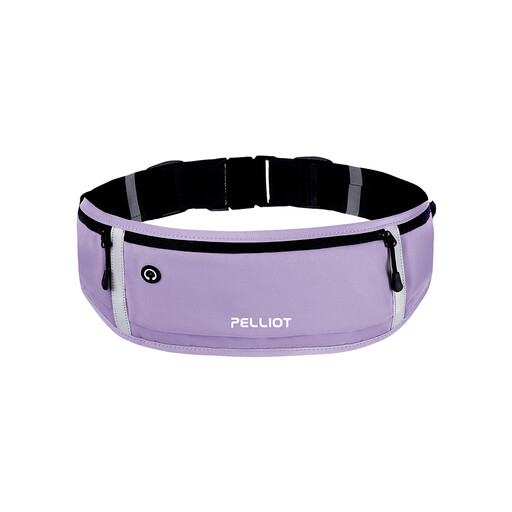
Why this model? Perfect for those who juggle the gym, cycling, brisk walking, and running. Its functional and discreet design adapts to any context, from sports to daily life.
Its anti-sweat and non-slip inner fabric counters the trap of discomfort and moisture: the belt doesn't slide or cause any irritation.
Stable fit for varied movements (jumps, squats...); well-organized pockets for quick access; versatile design for wearing at the waist or crossbody.
We've compiled a complete, up-to-date selection of products that meet our strict selection criteria and current safety standards.
The secret is to position it on the most stable part of your torso. For most runners, this is on the hips (just above the hip bones) rather than the waist. Tighten the strap until it's snug, but without ever restricting your breathing. Do a few jumps in place to check its stability before you head out. If you're between two sizes, choose the smaller one to ensure a better hold.
This is strongly discouraged. Machine washing can damage the elastic fabrics, water-repellent coatings, and reflective strips. The best method is to hand wash with a damp cloth and a little mild soap. Rinse with clean water and let it air dry, away from any direct heat source or sunlight.
Most modern running belts are designed to accommodate large smartphones. However, dimensions vary from one model to another. Before buying, be sure to check the product's technical specifications, which often state the maximum compatible device size. Don't forget to account for the thickness of your protective case, which can make it difficult to insert into a very snug pocket.