
Livraison le jour même ou le lendemain

Qualité garantie

Débloquez vos offres de bienvenue: Livraison GRATUITE | Jusqu'à -80 % | 30 jours d'essai gratuits à JoyPlus
Téléchargez l'application
Choosing a rum is not simply a matter of picking the prettiest bottle or the one whose label evokes the most distant travels. From white rum, golden rum and aged rum to spiced rum and rum liqueur, production methods, alcohol content and sugar levels can radically change the experience on the palate.
To avoid a disappointing purchase, start by deciding how you intend to use it, then examine the label carefully. The aim is to separate concrete information from simple marketing promises.
Behind the label of an exotic drink, you may find rum, cane alcohol, sugar, flavourings or even macerated fruit. A rum liqueur is generally softer and sweeter than a rum intended to be enjoyed neat. It can work beautifully in a cocktail or served over ice, but may not suit someone looking for a dry, oaky and less sweet profile.
The term ‘spiced rum’ often refers to a drink made by macerating fruit, spices and sugar. It is therefore better to check the ingredients list rather than relying solely on the recipe name.
The age shown on the bottle is not enough to define a rum’s style. You should also consider the type of cask used, the stated ageing period and the country of origin. A Colombian aged rum, a Caribbean rum and a Réunion rum can therefore have markedly different profiles.
Some blends are aged in a tropical climate before being finished in Europe. Others spend time in bourbon, port, cognac or sherry casks. These details offer better clues about the expected notes of vanilla, caramel, cocoa, dried fruit or spices.
Two bottles at 40° can offer very different experiences, but the alcohol content already helps indicate the intended use. A 40° white rum sold in a one-litre bottle will be practical for regularly making cocktails. A 50 cl bottle of spiced rum, often sweeter and more aromatic, is more suited to an aperitif or digestif.
For a gift, the 70 cl format remains the most common. If you want to try a recipe without building up a collection of half-finished bottles, a 50 cl bottle reduces the risk of ending up with a purchase that is not right for you.
Fruit and spices are not the only elements to look out for. Sugar, natural flavourings, colourings and macerations also affect the texture and perceived sweetness.
Some products therefore list cane sugar, pineapple juice, vanilla or natural flavourings. ISAUTIER Arrange Victoria Pineapple Spiced Rum also indicates the presence of mustard among the allergens, because of the Massalé spice blend. This is important information to check carefully if you have allergies or intolerances.
A sipping rum can be enjoyed neat, at room temperature or slightly chilled, depending on its strength and aromatic profile. Recipes rich in sugar or fruit are often served well chilled, over ice, as an aperitif or digestif.
For cocktails, choose a bottle whose flavours will not be completely masked by juices, syrups and soft drinks. The balance between volume and price is also worth considering when a recipe requires several measures.
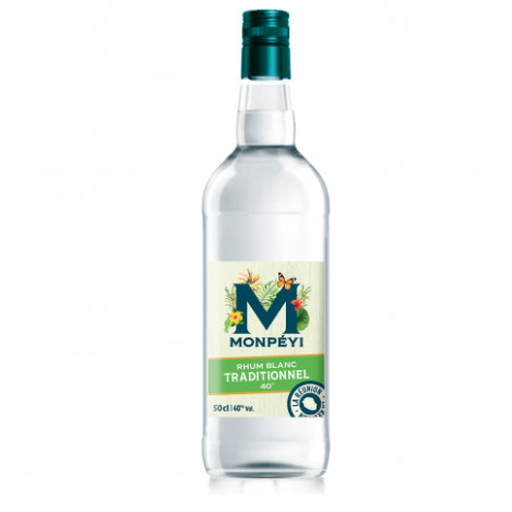
Why this choice suits this profile: At 40° and in a one-litre format, this product is ideal for anyone who regularly makes cocktails or wants to try several recipes without investing in a highly specialised bottle.
The alcohol content and volume are clearly stated. This makes it easier to compare the price per centilitre and avoid paying for ageing that would add little to a cocktail.
40° white rum, 1-litre bottle, with no allergens declared in the information provided.
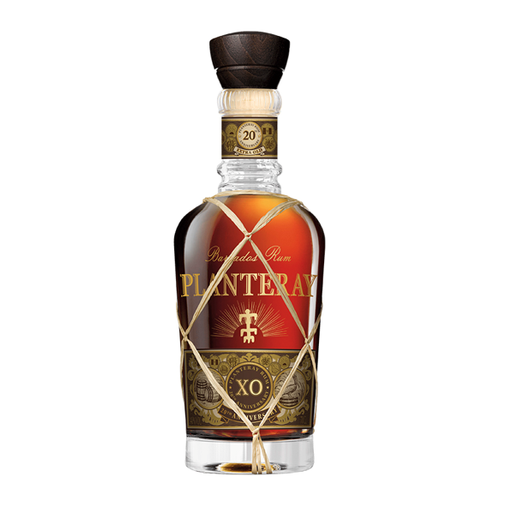
Why this choice suits this profile: This 70 cl golden rum from Barbados blends rums aged for 12 to 20 years according to the description provided, before being finished in cognac casks.
The product information details the origin, age blend and casks used. This is far more useful than a simple promise of rarity when assessing the bottle.
40°, 70 cl, with stated notes of vanilla, coconut, cocoa and spices, to be served neat or over ice.
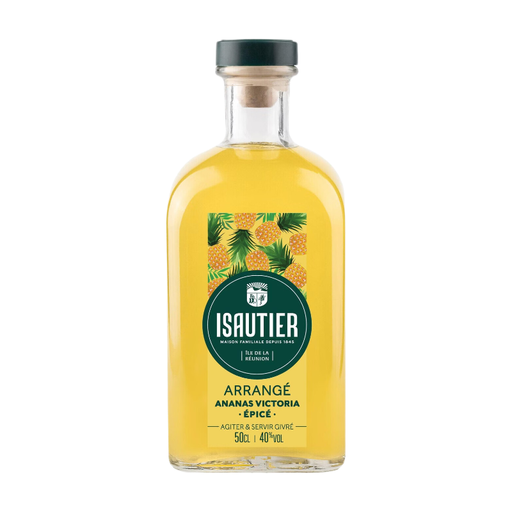
Why this choice suits this profile: This spiced rum from Réunion combines Victoria pineapple with a Massalé spice blend. Depending on your taste, it can be enjoyed as an aperitif, used in a cocktail or served as a digestif.
The fruit and aromatic blend are clearly identified, along with the 40° alcohol content and 50 cl volume. Mustard is also listed among the allergens.
Victoria pineapple, Massalé spices, 40° and a 50 cl format, with several ways to serve it.
We have selected a complete range, updated in real time, of products that meet these demanding criteria as well as European safety regulations.
Keep your rum away from heat, humidity and light. Ideally, store the bottle upright to limit prolonged contact between the alcohol and the cork or stopper. A well-sealed bottle can be kept for several years, although its flavours may evolve after opening. Close it carefully and avoid major temperature fluctuations.
For a tasting, pour a small amount into a suitable glass. Let it rest for a few moments so that the aromas of vanilla, wood, fruit or spices can fully develop. Spiced rum or rum liqueur can be served well chilled: the freshness helps soften the sensation of sweetness.
Important reminder : the sale and consumption of alcohol are restricted to adults. Pregnant women should not consume alcoholic drinks, even in small quantities.
A fruit-infused spiced rum, such as vanilla, coconut or pineapple rum, offers an accessible introduction thanks to its easy-to-recognise flavours. For cocktails, a 40° white rum is a versatile base. For a richer tasting experience, choose a golden or aged rum to explore cask notes and dried fruit flavours.
Spiced rum is generally made by macerating fruit, spices or botanicals in cane alcohol. Rum liqueur often contains more sugar and has a softer, more syrupy texture. The exact distinction depends on the recipe and the information shown on the label.
Start by comparing the volume, alcohol content, origin, ingredients and serving suggestions. Also check the allergens, storage conditions and legal information. Finally, choose a bottle that genuinely suits your intended use: cocktails, tasting, gifting or occasional drinking.