
Livraison le jour même ou le lendemain

Qualité garantie

Débloquez vos offres de bienvenue: Livraison GRATUITE | Jusqu'à -80 % | 30 jours d'essai gratuits à JoyPlus
Téléchargez l'application
A seal that peels away, a leak that keeps coming back, or a finish that yellows within weeks can turn a small repair into an expensive job. To avoid nasty surprises, choosing the right Rubson silicone sealant should always start with the area you need to treat, the type of surface, and how much water exposure it will face.
Before you even start comparing cartridges, three common mistakes keep cropping up.
An anti-mould sanitary sealant is designed for sealing around a sink, bath, shower or basin. It won't necessarily work as a product meant to fill a crack in a gutter, roof or outdoor pipe.
On the other hand, a leak-proof spray can be handy for covering a larger area, but it won't give you the same neat finish as a sealant applied with a gun.
White sanitary silicone generally matches tiles and standard fittings. A black waterproof silicone can blend in beautifully with a contemporary kitchen or dark fixtures, but it will stand out more on a light surface.
For joinery, a transparent insulation sealant keeps the visual impact of the seal to a minimum. That discretion doesn't mean you can skip checking the product's compatibility with the surface.
Even a flexible, moisture-resistant formula can struggle to stick to a dusty, greasy or soapy surface. You need to remove the old seal, clean, dry, and then apply the product under the conditions stated on the packaging.
The seal also needs to stay dry for the recommended time. With a spray coating, touch-dry and full curing can be two very different stages.
Product datasheets usually list which materials are compatible and which to avoid. The transparent insulation sealant shown here sticks to glass, ceramic, metal, concrete, brick, wood, PVC, Perspex, plaster, aluminium and stone. It is not compatible with bitumen, polyethylene, polypropylene or PTFE.
The white sanitary sealant is listed as compatible with enamel, porcelain, glass, stoneware and ceramic tiles. The black version is not intended for Perspex or synthetic materials. These restrictions are worth taking seriously to avoid poor adhesion.
A 280 ml silicone cartridge works with a standard sealant gun. This size is ideal for continuous seals around a fitting or piece of joinery. Work out how much you need before you start so you don't run out halfway through the bead.
Some products come with a pre-cut nozzle or a no-cutter system. Opening them is easier, but you still need to cut the nozzle at the right angle and width for the seal. With a spray, the preparation is different: you need to shake the aerosol, spray evenly, and follow the safety precautions for pressurised containers.
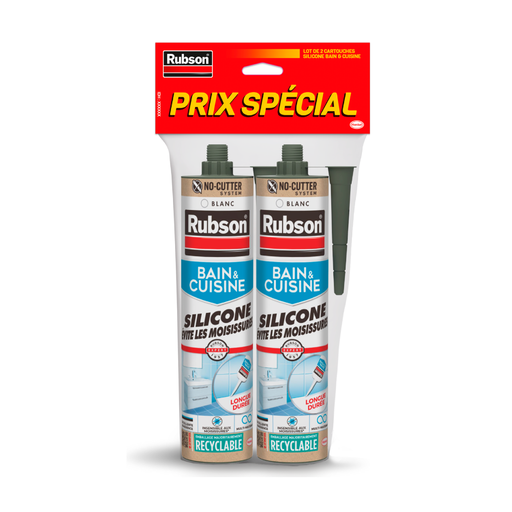
Why this choice suits this profile: The pack of two cartridges lets you redo several seals in a bathroom or kitchen. You can also keep one for a future job, as long as you store it properly.
Its clearly stated sanitary purpose stops you accidentally picking an outdoor repair product when you need to redo the seal around a basin or shower.
Silicone formula with claimed antifungal agents, pre-cut nozzle and compatibility with several sanitary materials.
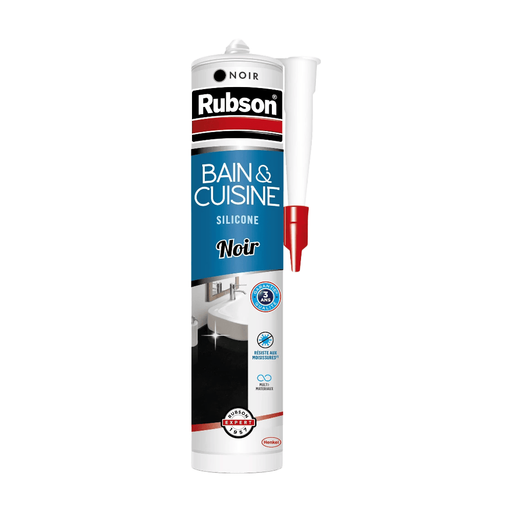
Why this choice suits this profile: Its black colour is aimed at projects where the seal is part of the décor, for example with dark taps, graphic tiles or contemporary furniture.
The colour is clearly stated, which reduces the risk of receiving a white seal when you wanted a black finish.
Flexible, waterproof silicone after curing, claimed antifungal agents and No Cutter system with pre-cut nozzle.
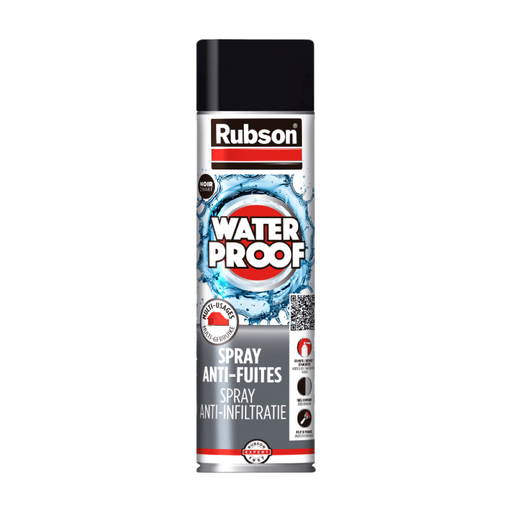
Why this choice suits this profile: This format is ideal for targeted repairs of cracks and leaks on indoor or outdoor items, such as a gutter, pipe or garden structure.
This is a spray-on coating, not a sanitary sealant for fine joints around a fitting. That distinction helps prevent misuse.
It adheres to many surfaces, including some damp ones, dries to the touch in 20 to 30 minutes and can be painted after 24 hours according to the product datasheet.
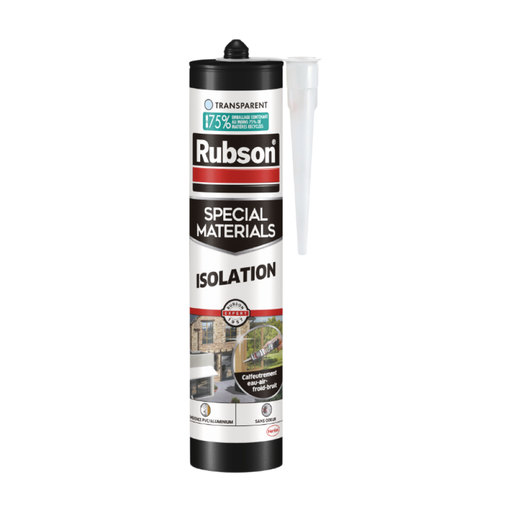
Why this choice suits this profile: It is designed for sealing between frames and opening parts of windows, doors and roof windows, when you want as discreet a finish as possible.
Its datasheet details compatible and incompatible materials. This stops you picking a so-called universal product that claims to work on all plastics.
Transparent finish, elasticity suited to joinery movement and claimed protection against water, air, cold and noise.
We've put together a complete, real-time selection of products that meet these demanding criteria, as well as European safety regulations.
With an aerosol, work away from any heat source, do not pierce the container and do not expose it to a temperature higher than that stated on the label.
The drying time depends on the product, the thickness of the bead, the temperature and the humidity in the room. Check the label or instructions, then wait for the stated curing time before any exposure to water.
It's not always suitable. For a leak or crack on an outdoor surface, check that the product is actually designed for that use. A waterproof spray coating can work for some repairs on metal, PVC, concrete or masonry, whereas a sanitary sealant is mainly intended for the kitchen and bathroom.
Seal the nozzle carefully and store the cartridge in a cool, dry place, then check its condition before reusing it. If the product has hardened in the nozzle or has an unusual texture, it's best not to use it on an important seal.