
Livraison le jour même ou le lendemain

Qualité garantie

Débloquez vos offres de bienvenue: Livraison GRATUITE | Jusqu'à -80 % | 30 jours d'essai gratuits à JoyPlus
Téléchargez l'application
A leak around the sink, a blackened seal in the bathroom or water ingress around a gutter cannot necessarily be dealt with using the same product. Yet packaging is full of all-purpose promises such as “waterproof”, “multi-purpose” and “resistant”. These claims alone do not tell you whether the sealant is genuinely suitable for your surface.
To avoid an unnecessary purchase, focus on three points: the nature of the materials, the usage environment and the application format. Here are the criteria to check before buying Rubson silicone sealant, along with a selection suited to different needs.
Bathroom sanitary sealant is used to create or replace a seal around a bath, washbasin, sink or worktop. It is applied as a bead and remains flexible once dry.
By contrast, an anti-infiltration coating or liquid rubber for waterproofing forms a film over a much larger surface. This type of product is better suited to cracks, gutters, roofs and exterior elements. Using joint sealant on a roof could therefore use a great deal of product without providing protection that is necessarily suitable.
White sealant generally matches classic tiles and bathroom fittings. Black sealant can provide a more contemporary finish, while also proving useful for certain exterior, automotive or marine repairs.
Clear sealant offers a discreet finish on glass, ceramic or certain frames. However, bear in mind that clear does not mean compatible with every type of plastic. Several Rubson products state that they are incompatible with polyethylene, polypropylene, PTFE, certain synthetic materials and Plexiglas.
Even a product claiming excellent adhesion cannot work miracles on a dusty, greasy or damp surface when the technical data sheet requires a dry substrate. Old seals must be removed, residue cleaned away and the area dried completely.
Preparation is also important for aerosol products: remove any loose particles before application. If there is active water ingress or a significant crack, structural repair may be necessary before applying a waterproofing product.
Before ordering, identify the materials present on both sides of the joint: glass, aluminium, earthenware, wood, PVC, metal, stone or plastic. Silicone may adhere perfectly to certain surfaces while being unsuitable for others.
Rubson transparent insulation sealant, for example, is suitable for glass, ceramic, metal, concrete, brick, wood, PVC, Plexiglas, plaster, aluminium and stone. However, it is not compatible with bitumen, PE, PP or PTFE. Tube sanitary sealants also have restrictions, particularly when used with acrylic and certain synthetic materials.
In a bathroom or wet room, choose a waterproof silicone seal designed for humid environments and, where necessary, enhanced with fungicidal agents. This formulation can help limit the appearance of mould, but it does not replace cleaning, good ventilation or the replacement of an already damaged seal.
For a roof, gutter or façade, check the stated resistance to UV rays, frost and rain. Rubson black anti-infiltration coating is described as a silicone-based elastic membrane that can be applied with a brush, roller or sprayer. Its technical data sheet states that it withstands temperatures from -20 °C to +80 °C, and is rain-resistant after 1 to 3 hours, depending on the thickness applied.
A 50 ml tube is sufficient for a small touch-up or localised seal, without having to buy a sealant gun. A 280 ml cartridge requires a standard gun, but is the better choice for replacing several metres of seal or renovating an entire room.
The 300 ml leak-proofing spray is practical for cracks and areas that are difficult to cover with an even bead. Its product information states that it is touch-dry in 20 to 30 minutes and can be painted over after 24 hours, provided the usage instructions are followed.
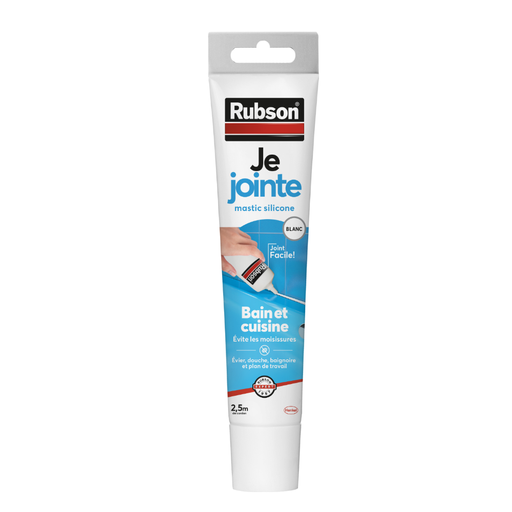
Why this choice suits this profile: this ready-to-use tube is suitable for small repairs around a washbasin, bath, sink or worktop. No sealant gun is required.
The small format means you do not need to buy an entire cartridge for a simple touch-up. However, do not use it on acrylic or synthetic surfaces, or on PE, PP or PTFE.
Apply directly from the tube, with stated adhesion on ceramic, glass, enamel, aluminium, laminate and melamine.
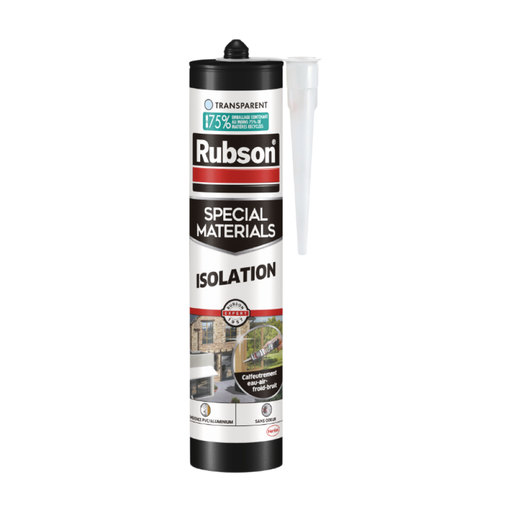
Why this choice suits this profile: this cartridge is aimed at homeowners and DIY enthusiasts who want to seal the joints between opening elements and the frames of doors, windows or roof windows.
The technical data sheet clearly lists compatible surfaces and those to avoid. This makes it easier to ensure that transparent silicone is not applied to a material it would not bond to properly.
Single-component silicone formula, transparent finish and flexibility suited to the natural movement of window and door joinery. The manufacturer states that the packaging contains at least 75 % recycled materials.
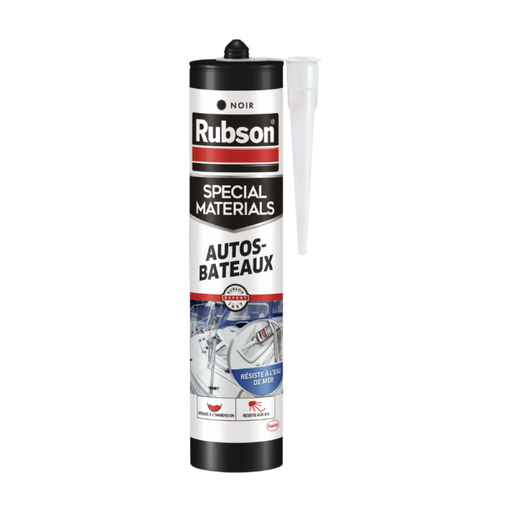
Why this choice suits this profile: this sealant is designed for joints, assemblies and repairs on cars, caravans, motorbikes and boats, particularly around glazing, portholes and lights.
Its automotive and marine formulation means you do not have to use sanitary sealant in situations where it would be exposed to UV rays, temperature fluctuations, salt water or road salt.
Black silicone sealant that remains elastic and waterproof once cured, with stated adhesion on metal, glass, rubber and wood.
For large exterior surfaces, roof sealant is not always the most practical solution. The black anti-infiltration coating, sold in a 1 kg tub, is applied like paint to roofs, walls, flashings, chimneys and gutters. For a localised repair, the 300 ml Rubson Aquablock spray is another option for repairing cracks in metal, PVC, concrete, masonry, bitumen and certain plastics. Always check the label and technical data sheet before application.
We have put together a complete, real-time updated list of products that meet these demanding selection criteria and European safety regulations.
For a washbasin, bath, shower or sink, choose a silicone sanitary sealant. White or black 280 ml cartridge versions are suitable for larger jobs, provided you have a sealant gun. The 50 ml tubes are ideal for occasional touch-ups without any additional tools.
The time required varies according to the thickness of the bead, the temperature, the humidity level and the product selected. Follow the instructions on the packaging and avoid wetting the seal before the recommended curing time has elapsed.
These products are designed for different needs. Liquid rubber spray is suitable for certain localised repairs and for treating cracks. For a larger area, an anti-infiltration coating applied with a roller or brush will often be more practical. If the roof has a structural problem, have it inspected before carrying out any superficial repair.