
Livraison le jour même ou le lendemain

Qualité garantie

Débloquez vos offres de bienvenue: Livraison GRATUITE | Jusqu'à -80 % | 30 jours d'essai gratuits à JoyPlus
Téléchargez l'application
A leak under the sink, a blackened seal around the bath or water ingress near a window cannot always be fixed with the same product. Yet packaging often promises “universal”, “waterproof” or “anti-leak” formulas without always explaining their limitations.
To avoid buying the wrong product, focus on three points: the surface, exposure to water and the movement the seal will need to absorb. Here are the key criteria for choosing the right Rubson sealant for your project, whether you are a tenant, homeowner, DIY beginner or renovation professional.
A sanitary silicone sealant is suitable for joints between a washbasin, bath, shower or sink and its surrounding surface. It remains flexible in damp rooms, and some products contain a treatment designed to help limit mould growth.
By contrast, an acrylic sealant for walls and windows is mainly intended for filling cracks, sealing joints between frames and walls, or carrying out small repairs that can then be painted. It should therefore not be chosen by default for a watertight bathroom seal that is constantly exposed to water.
A formula enriched with fungicidal agents can help preserve the appearance of the seal, but it cannot compensate for poor preparation. An old seal that has not been removed properly, a greasy surface or moisture trapped in the substrate can reduce adhesion and accelerate deterioration.
The “mould-resistant” claim describes a feature of the formula, not a guarantee of results in all conditions.
Some silicone sealants adhere to enamel, porcelain, glass, ceramic, aluminium or laminate, but are not suitable for acrylic, Plexiglas, polyethylene, polypropylene or PTFE. This information is often relegated to the usage precautions, but it should be checked before buying.
On a synthetic surface, a sealant that appears versatile may not adhere sufficiently or may come away after just a few uses.
A 50 ml tube may be enough for a small repair and can be used without a gun. A 280 ml cartridge will generally require a sealant gun, but it allows you to treat a much longer joint.
Also check:
For butyl tape, check the width, thickness and total length. A 25 mm by 9 m tape is not suitable for the same application as a 40 mm by 15 m model designed to protect beams or joists.
Even a product marketed as waterproof must be applied to a surface prepared in accordance with the instructions. Remove any loose remnants, eliminate traces of grease and soap, then allow the surface to dry completely when required by the product.
If there is a leak, also try to identify its cause. A simple bead of sealant can repair a local joint, but it will not replace repairing a cracked surface, damaged pipe or deteriorated roof covering.
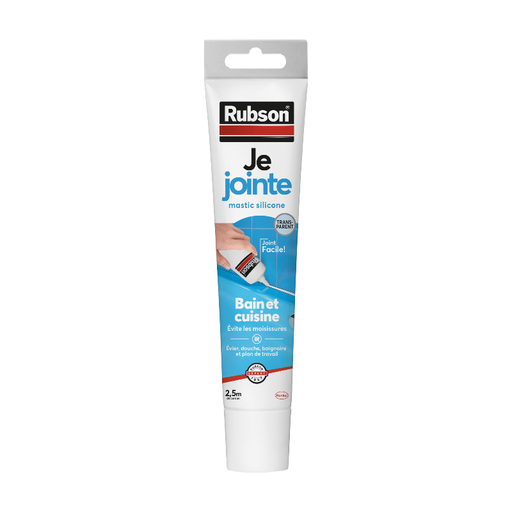
Why this choice suits this profile : Its ready-to-use format is ideal for small repairs around a washbasin, sink, bath or worktop, without having to buy a gun.
The product clearly specifies which materials are compatible and which should be avoided, particularly acrylic, PE, PP and PTFE.
50 ml tube, integrated applicator, clear finish and silicone formula advertised as moisture-resistant.
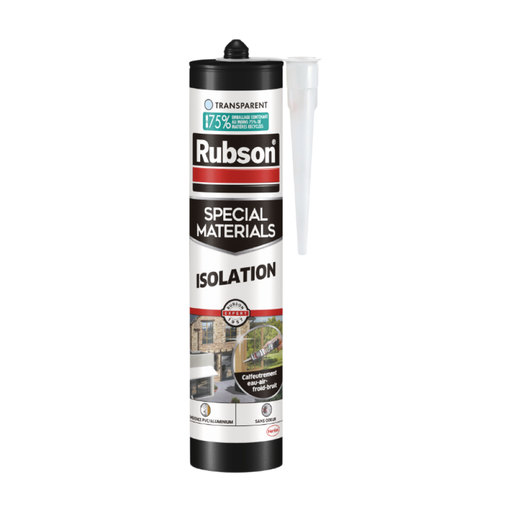
Why this choice suits this profile : This cartridge is designed for joints between window, door or roof-window frames and opening sections, with a discreet finish.
Its use is clearly focused on weatherproofing joinery, rather than being presented as an all-purpose solution for every surface.
Clear silicone, 280 ml cartridge, advertised compatibility with glass, wood, PVC, metal, brick and concrete.
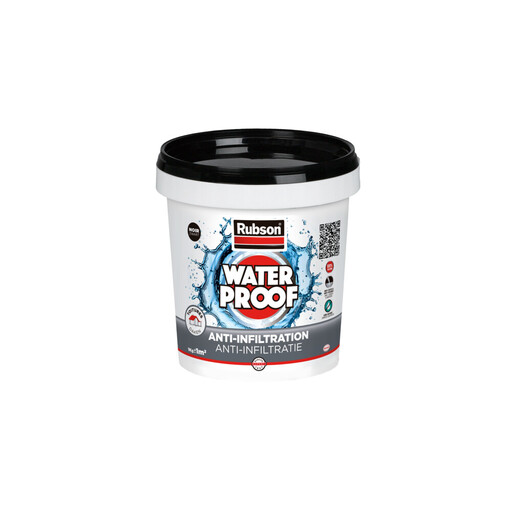
Why this choice suits this profile : This coating is intended for large exterior surfaces such as roofs, gutters, flashings, wall cracks and elements exposed to the weather.
This is not simply a bead of sealant: the product is designed to be applied with a brush, roller or spray.
1 kg tub, silicone-based elastic film, advertised resistance to UV rays and temperatures from −20 °C to +80 °C.
We have brought together a complete, real-time updated selection of products that meet these demanding criteria and European safety standards.
The time required depends on the formula, the thickness of the bead, the temperature and the ambient humidity. Always consult the product instructions. During application, ventilate the room and avoid putting strain on the seal before the recommended drying time has elapsed.
Some products, such as Rubson Re-New, are designed to cover an existing silicone seal. However, this solution is not suitable for a crumbly, greasy, damp or poorly adhering surface. If the old seal is coming away, it will generally need to be removed completely, after which the surface should be cleaned thoroughly.
A roof sealant, butyl tape or anti-water-ingress coating may be suitable, depending on the width of the area and the type of surface. For a large crack, a coating covers a much wider area than a simple bead. Before buying, check its compatibility with bitumen, metal, PVC and any other materials present.