
Livraison le jour même ou le lendemain

Qualité garantie

Débloquez vos offres de bienvenue: Livraison GRATUITE | Jusqu'à -80 % | 30 jours d'essai gratuits à JoyPlus
Téléchargez l'application
A chip on a bathtub, a scratch on a basin, or a mark on a shower tray doesn't always mean you need to replace the fixture. The Rubson white enamel renovator lets you touch up small imperfections on enamel or synthetic surfaces, using a targeted brush-on application.
Before you buy it, there are a few precautions to take to avoid a visible, fragile, or unsuitable repair.
An enamel varnish is suitable for small chips, scratches, and surface-level defects. It is not a substitute for professional repair when a bathtub is deeply cracked, the base is warped, or there is a leak. On a significant defect, the touch-up may peel off or allow moisture to seep in.
Even a well-formulated enamel touch-up paint will struggle to adhere to a greasy, damp, or limescale-covered surface. Poor preparation can lead to texture differences and reduce the durability of the repair.
The surface must be clean, dry, and degreased. It is also wise to test the product on an inconspicuous area, especially on synthetic materials, old paint, or coloured ceramic.
The white of a basin, tile, or bathtub can vary depending on its age and manufacturing process. A very glossy touch-up applied to a matte enamel finish is likely to remain visible. To minimise the difference, apply a small amount and observe the result after it has fully dried, under the usual lighting conditions of your bathroom.
The product must be suitable for the surface you are repairing. The specification sheet for the Henkel Rubson Enamel Renovator states it can be used on steel, enamel, ceramic, synthetic materials, iron, cast iron, and wood. This means it can work on a bathtub, basin, shower tray, toilet, radiator, household appliance, or white tiles, as long as the defect is small.
This versatility does not remove the need for a preliminary test. A scratch repair on ceramic enamel may look different from a touch-up on acrylic or painted metal.
For repairing a chip on a bathtub, an integrated brush is far more practical than a large pot that requires extra tools. The Rubson bottle contains 12 ml and features a brush applicator. This format allows you to apply a small amount directly into the chip, without spreading the product unnecessarily around the area.
The product specification states it can cover approximately 30 small chips, depending on their size and the amount applied. This is an estimate for general use, not a guarantee valid for all surfaces.
In a bathroom, the touch-up is regularly exposed to water and detergents. The manufacturer states this varnish is resistant to detergents. To preserve the repair, follow the drying time indicated on the packaging and avoid abrasive products and scouring pads.
The term "resistant" does not mean the area can be scrubbed vigorously or submerged immediately after application. A thin coat, a respected drying time, and non-abrasive cleaning are still essential.
Work in a well-ventilated area, keep the product out of reach of children, and avoid contact with eyes and skin. In case of contact, rinse thoroughly with water.
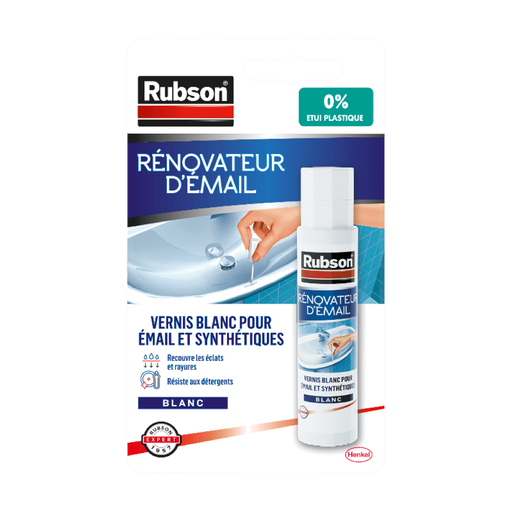
Why this choice suits this profile: The bottle with an integrated brush means you don't need a whole toolkit just to touch up a small chip on a white basin, bathtub, or tile.
Its small format is designed for isolated defects and stops you from buying a large pot for just a few chips.
12 ml, integrated brush, white colour, and suitable for use on enamel, ceramic, and several synthetic materials.
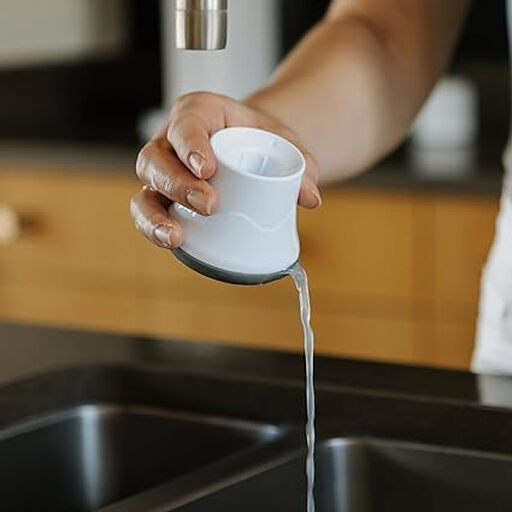
Why this choice suits this profile: This accessory helps you gently clean hard-to-reach areas before applying the renovator, without replacing the touch-up varnish itself.
Its silicone bristles are described as soft and non-abrasive, which reduces the risk of creating new marks during the preparatory cleaning.
Long handle, silicone head, and easy maintenance. This is a preparation accessory, not an enamel repair product.
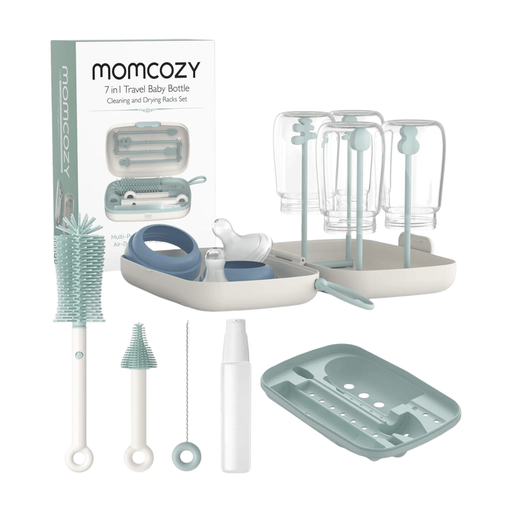
Why this choice suits this profile: This kit brings together several brushes for cleaning narrow areas before repairing a shower tray or sanitaryware.
Its various attachments make cleaning corners easier, but this kit should not be confused with a white ceramic paint.
Seven pieces, silicone brushes, and a storage case. Use with the Rubson renovator only for the cleaning stage.
We have compiled a comprehensive list, updated in real time, of products that fully meet these strict selection criteria and European safety regulations.
The product specification indicates it can be used on certain synthetic materials, in addition to enamel and ceramic. On an acrylic bathtub, check the instructions and test it on an inconspicuous area. The touch-up should remain limited to small surface defects.
The time depends on the instructions on the packaging and the room temperature. Wait for it to dry completely before any contact with water or detergents. Afterwards, avoid abrasive powders and heavy scrubbing to preserve the repair.
A varnish for sanitaryware enamel is not designed to treat a structural crack, a leak, or an unstable surface. If you have a significant crack, seek professional advice rather than simply masking the visible part.