
Livraison le jour même ou le lendemain

Qualité garantie

Débloquez vos offres de bienvenue: Livraison GRATUITE | Jusqu'à -80 % | 30 jours d'essai gratuits à JoyPlus
Téléchargez l'application
A roll of adhesive tape can seem much like any other. But tape designed for painting may not be suitable for sealing a parcel, creating a watertight seal or securing a heavy object. Choose the wrong type and it could leave marks, peel off in damp conditions or damage the surface.
Before you place an order, take a moment to consider what you’ll use it for, the surface it will be applied to, the size you need and the conditions it will be exposed to. Here are the main things to look at when comparing the different types available in France.
Tape that sticks firmly isn’t necessarily suitable for every material. On fresh paint, wallpaper, flexible plastic or a dusty surface, it may peel off unevenly or pull away the finish.
For painting, choose masking tape to suit the surface and how long it will be left in place. Tape designed for quick removal shouldn’t be left outdoors for several days, especially if it isn’t UV-resistant.
The term waterproof adhesive tape covers several different technologies. Repair cloth tape, butyl tape and tape designed to protect pipes don’t all do the same job.
Check whether the product is intended for a temporary repair, creating a flexible seal or protecting against corrosion. Preparing the surface is just as important: most tapes need a clean, dry, grease-free surface.
A narrow roll may be enough for a small repair, but its contact area may be too limited for wall mounting or waterproofing. Similarly, consider the stated load capacity in relation to the length of tape applied, the surface and the manufacturer’s instructions.
For securing an object, nail-free mounting strips are handy. However, they’re no substitute for a screw or wall plug if the surface is crumbly, damp or subject to strong vibrations.
Choose the width and length to suit the job. A width of 50 mm is common for sealing cardboard boxes. For precision painting, 24 or 36 mm rolls are often easier to handle. For waterproof repairs, a width of 50 to 100 mm can cover a larger area.
The roll length also affects the true cost. A multipack can be useful when moving house, while a smaller roll is enough for a one-off repair.
Check the guidance on:
Masking tape should usually be removed within the recommended time. With mounting strips, you may need to wait before hanging an object. Butyl tape often needs to be kept out of the rain while it initially sets.
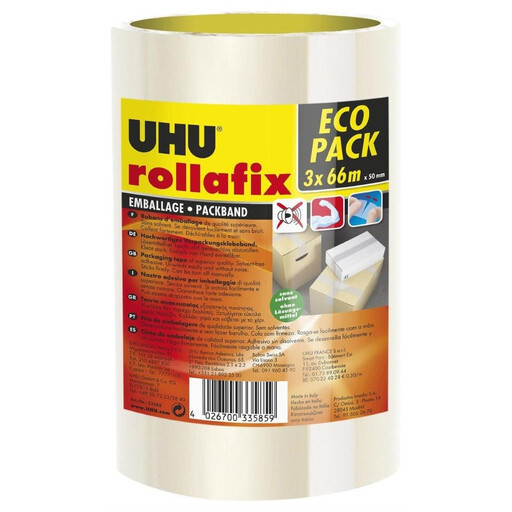
Why it’s a good fit : This pack of three rolls is ideal for sealing boxes, parcels and thick envelopes when moving house or tidying up at home.
At 50 mm wide and 66 m long per roll, you’re less likely to run out of tape after sealing just a few boxes.
A pack of three rolls, high-adhesion solvent-free tape, a reportedly quiet unwind and a design that can be torn by hand.
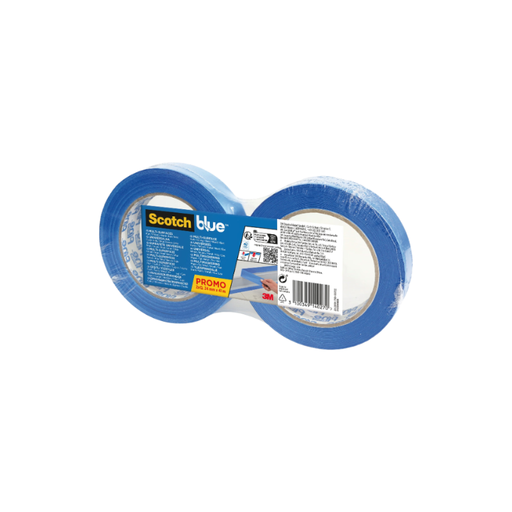
Why it’s a good fit : This pack is designed for people who regularly paint walls, wood, glass or metal and want tape that’s suitable for a range of surfaces.
The stated removal time is up to 14 days. You should still follow the instructions and test the tape on the surface before each job.
Two 41 m x 24 mm rolls, stated compatibility with a range of surfaces and residue-free removal according to the manufacturer.
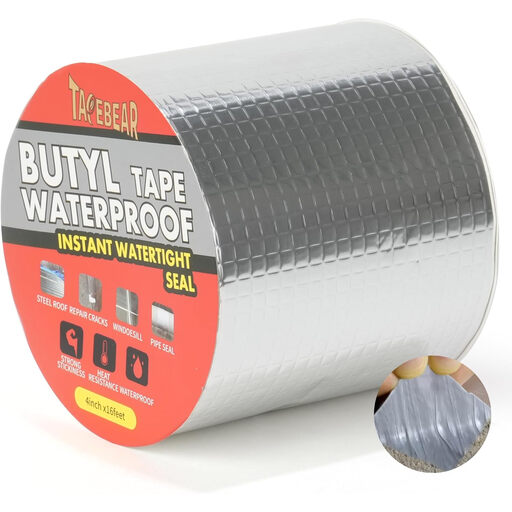
Why it’s a good fit : At 100 mm wide, it’s suitable for repairing roofs, windows, awnings, boats and pipes where a generous overlap is needed.
The product information states that the surface must be clean and dry. The tape should also be kept out of the rain for 24 hours after application.
Butyl rubber, reinforced aluminium foil, a length of 5 m and stated resistance to temperatures between -40 °C and 80 °C.
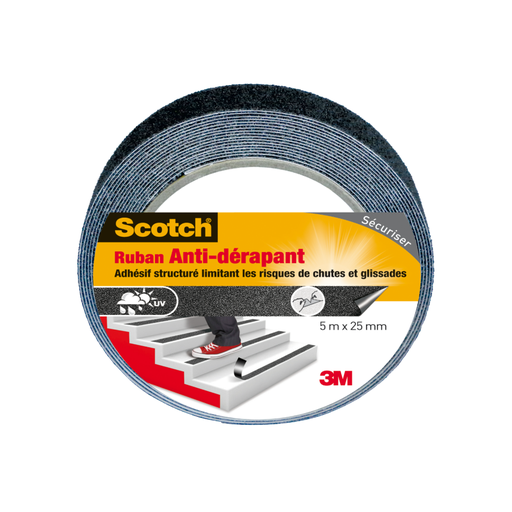
Why it’s a good fit : Suitable for stairs, steps, ramps, ladders and workshop floors with frequent foot traffic.
Its texture is specially designed to improve grip underfoot, unlike smooth packaging or repair tape.
Flexible plastic film, 25 mm wide and 5 m long, with stated water resistance for indoor and outdoor use.
We’ve put together a comprehensive, real-time updated selection of products that meet these demanding criteria as well as European safety standards.
Crepe-paper masking tape is suitable for creating clean lines on a clean, dry surface in good condition. Check the recommended removal time. For outdoor use, also check that it’s resistant to ultraviolet rays.
Clean and dry the surface thoroughly, then cut the tape to the required length. Apply it without repositioning it, smoothing it down gradually to remove air bubbles. Butyl tape or pipe protection tape shouldn’t be applied to a damp surface unless the instructions say otherwise.
Shelf life depends on the adhesive, the material and storage conditions. Keep the roll in a dry, temperate place, away from sunlight and dust. Before using it, check that the adhesive surface isn’t contaminated and that the tape hasn’t hardened.
For use on skin, only use medical tape designed for that purpose and follow its instructions. It should never be replaced with DIY or packaging tape.