
Livraison le jour même ou le lendemain

Qualité garantie

Débloquez vos offres de bienvenue: Livraison GRATUITE | Jusqu'à -80 % | 30 jours d'essai gratuits à JoyPlus
Téléchargez l'application
Delicate and enchanting, the flavour of rose is winning over a growing number of fans seeking unique beverages. Whether it's a comforting tea, a refreshing cold drink, or a secret ingredient for your culinary creations, the market is brimming with options. Between instant rose tea, concentrated rose syrup, and dried rose buds, it can be hard to know where to start.
This guide breaks down the different types of rose drinks to help you find the perfect product to match your tastes and lifestyle.
To find the format that suits you best, simply ask yourself the right questions.
The ideal format depends primarily on how you plan to use it.
The quality of a floral drink hinges on its ingredients. Take the time to read the component list. Some products contain natural rose extracts, while others use artificial flavourings. For syrups, the sugar content is also a key factor to consider based on your preferences. Infusions made from dried flowers, like the buds of Rosa rugosa Thunb, are a reliable choice for those seeking a pure taste with no additives.
The best guide is how you plan to use it.
To help you see things more clearly, here are three products that perfectly illustrate the market's diversity.
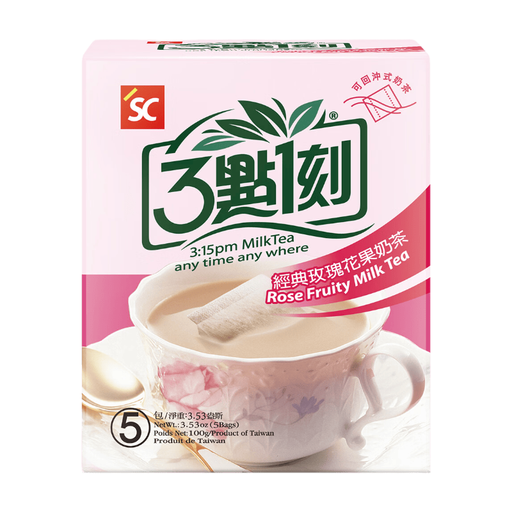
Why it stands out: This milk tea mix blends the smoothness of tea, the creaminess of milk, and a floral, fruity note of rose. Its individual sachet format makes it an ultra-convenient solution for enjoying a gourmet drink at any time of day, effortlessly.
Pros:
Who is it for? Ideal for those looking for a comforting and quick-to-prepare drink, in the spirit of the milk teas so popular in Asia.
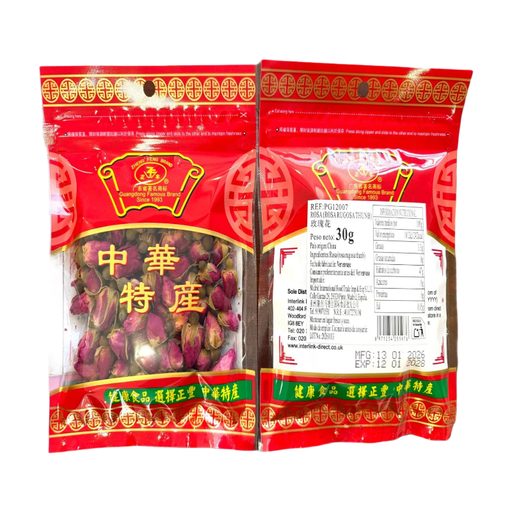
Why it stands out: This bag contains whole dried rose buds (Rosa rugosa Thunb), selected for their intense fragrance and preserved colour. It's the purest choice for those who want to control their rose infusion from start to finish, or use the flowers as a raw ingredient in cooking or for homemade cosmetics.
Pros:
Who is it for? Perfect for purists and loose-leaf tea lovers who appreciate natural flavours and versatile products.
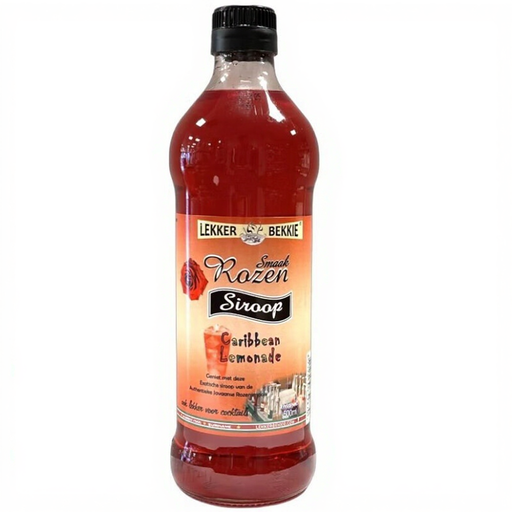
Why it stands out: This rose syrup is a classic in Surinamese and South Asian cuisines. Its intense floral flavour and syrupy texture make it an excellent base for a wide variety of drinks and desserts. Its large 500 ml size offers great value and allows for numerous uses.
Pros:
Who is it for? Recommended for creative cooks and those who love to make custom refreshing drinks or explore the flavours of world cuisine.
Our selection is just a taste of the possibilities that rose has to offer. There is an infinite variety of other blends, combining rose with black or green teas, or with other flowers and spices.
To discover a wider range and find inspiration, we invite you to browse our complete Rose Tea category.
1. How do I use rose syrup in cooking?Rose syrup is incredibly versatile. You can simply dilute it in still or sparkling water for a lemonade, or in milk for a rose milk. In baking, it delicately perfumes icings, creams, yoghurts, or fruit salads. It is also a key ingredient in desserts like falooda, a drink-dessert of Indian origin.
2. What are the benefits of a rose infusion?Rose infusion is traditionally valued for its famously soothing aroma and subtle floral taste. It is often consumed to promote relaxation. These benefits are based on cultural traditions and are not a substitute for medical advice.
3. Can dried rose buds be eaten directly?Dried rose buds are primarily intended to be infused in hot water. A few buds are enough for one cup. They can also be used as an edible decoration on cakes, salads, or cocktails for an elegant visual touch. However, it is not recommended to consume them whole and in large quantities.