If you’re looking for a caffeine-free drink with your lunch, choose a rooibos or herbal tea whose product description clearly says “caffeine-free” or “theine-free”, then check the ingredients. If you prefer the taste of tea, check what the specific decaffeinated tea you’re considering says rather than assuming that “decaffeinated” means it contains no caffeine at all. For herbal blends, also look out for liquorice and “wellness” claims.
Who are these drinks for?
People keeping an eye on their caffeine intake
If you don’t want to add caffeine to your lunch, check the product description and ingredients of the drink you choose. The French Agency for Food, Environmental and Occupational Health & Safety (Anses) says caffeine can delay falling asleep and reduce sleep duration and quality, although its effects vary from person to person.
Anyone looking for a quick, simple break
Tea bags can be handy between meetings, provided the brewing time and equipment suit your break. The rooibos brewing instructions on the Jardin BiO étic and Éthiquable product pages recommend steeping for several minutes.
People who pay attention to ingredients
A so-called “wellness” blend can contain several plants, so the ingredients list matters more than the range name. The French Directorate-General for Competition Policy, Consumer Affairs and Fraud Control (DGCCRF) says that health claims on food must be authorised; Anses also highlights the risks associated with high, repeated consumption of liquorice.
What should you look for in a lunchtime drink?
First, check the caffeine information for the specific product. Then choose a preparation method that suits your break and ingredients that work for you. This applies to decaffeinated tea, too: the name alone is no substitute for reading the label.
| What to consider |
What to check |
Who is it for? |
| Caffeine-free |
Look for “caffeine-free” or “theine-free” on the specific variant you’ve chosen, and check the full ingredients list. |
If I don’t want to add caffeine to my lunch, “herbal tea” or “decaffeinated” isn’t enough for me. Around 50% of consumers would reportedly prioritise an explicit caffeine-free claim. |
| Preparation |
Check the format, amount of water and steeping time given for the recipe. |
Between tasks, I need something I can prepare with the time and equipment I have. Around 30% of consumers would reportedly put a simple break ahead of other considerations. |
| Taste and ingredients |
Check the plants, fruit and flavourings in the variant, including whether it contains liquorice. |
If I want to try different flavours, I need to know exactly what’s in the blend rather than choosing based on a single “wellness” claim. Around 20% of consumers would reportedly make the recipe their top priority. |
Mistakes to avoid
-
Assuming “wellness infusion” means “caffeine-free”
A range name doesn’t necessarily tell you what’s in the drink. Anses points out that tea and guarana naturally contain caffeine.
Check the ingredients and look for an explicit caffeine-free claim on the specific product you’re planning to buy.
-
Choosing a liquorice blend without considering how often you’ll drink it
According to Anses, high and repeated consumption of products containing liquorice can lead to problems including low blood potassium and high blood pressure.
Look for liquorice in the ingredients list. If you have a medical condition or take medication that could put you at particular risk, ask a healthcare professional for advice before drinking it regularly.
-
Taking “detox” or “relaxation” claims as proven effects
Marketing language doesn’t turn an infusion into a treatment. The DGCCRF says health claims on food are regulated.
Instead, base your choice on the ingredients, caffeine information, flavour you’re after and preparation instructions.
Brands to consider by recipe
Kusmi Tea
Kusmi Tea’s Be Cool herbal tea combines verbena, mint and liquorice.
- Its ingredients set it apart from tea.
- Check the caffeine information for the variant you buy, and bear in mind that it contains liquorice.
Kroon
Carrefour lists a Kroon rooibos in a box of 20 tea bags as caffeine-free and theine-free.
- The product description explicitly includes the claim you’re looking for.
- Make sure it applies to the variant you’ve chosen, and check availability when you’re ready to buy.
Jardin BiO étic
Auchan lists Jardin BiO étic South African rooibos in a box of 20 tea bags, labelled “theine-free”.
- The tea-bag format makes it easy to prepare a portion during your break.
- Follow the brewing instructions for the specific product you buy.
Éthiquable
According to its Auchan product page, Éthiquable rooibos contains rooibos from organic farming and fair trade.
- This product’s ingredients list contains rooibos only.
- If you choose another recipe from the brand, check its claims and ingredients.
Lipton
Lipton also offers a mango and rooibos cold infusion in tea bags, which the Carrefour product page describes as caffeine-free.
- The cold-infusion format is a good choice if you prefer a chilled drink and don’t want to use a kettle.
- Check the ingredients, instructions and availability of the variant you choose.
Herbal teas and rooibos available on Joybuy
These tea-bag options include a cold infusion, herbal teas and rooibos for a lunchtime break. If avoiding caffeine is important to you, check the claims and ingredients for each variant before you buy.
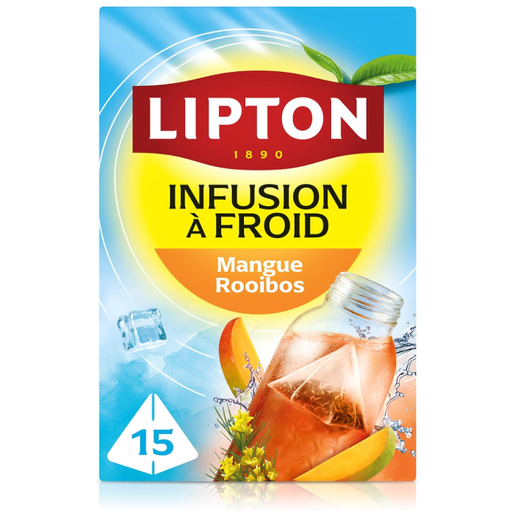 Image unavailable
Lipton Cold Infusion Rooibos Mango, 15 tea bags
For a refreshing break without the kettle, this cold-infusion pack contains 15 tea bags. Check the instructions on the packaging to find out how much water to use.
View on Joybuy
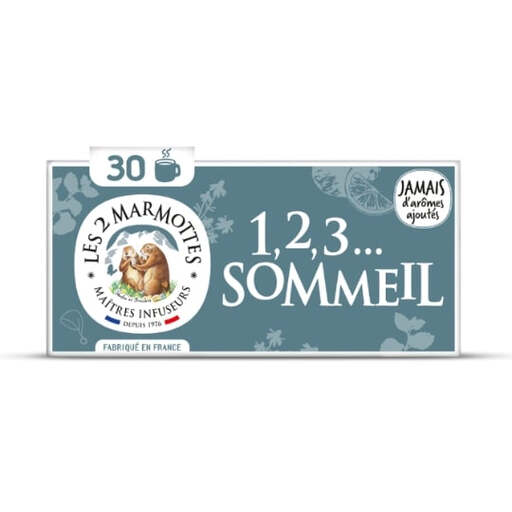 Image unavailable
LES 2 MARMOTTES 123 Sleep Herbal Tea, 30 tea bags
If you fancy a tea-bag herbal tea with your lunch, this pack contains 30 tea bags. The sleep-related name is not proof that it affects sleep.
View on Joybuy
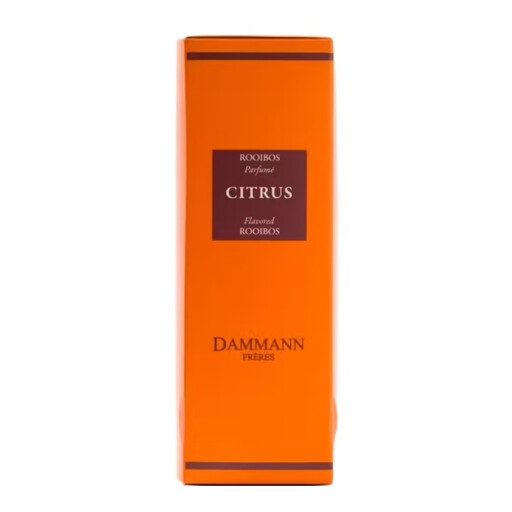 Image unavailable
DAMMANN FRERES Citrus Rooibos, 24 tea bags, 48 g
For a change of flavour at lunchtime, this citrus rooibos comes in a pack of 24 tea bags, weighing 48 g in total. Check the ingredients if you’re avoiding anything in particular.
View on Joybuy
 Image unavailable
DAMMANN FRÉRES Chamomile, 21 tea bags, 42 g
If you prefer portioned chamomile tea, this pack contains 21 tea bags, weighing 42 g in total. Check the label if it’s essential that your drink is caffeine-free.
View on Joybuy
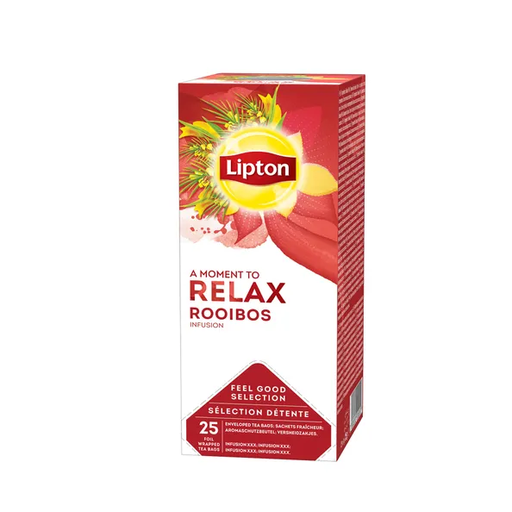 Image unavailable
Lipton Feel Good Selection Rooibos, 25 tea bags
For a tea-bag rooibos break, this pack contains 25 tea bags. Check the ingredients and brewing instructions before choosing it.
View on Joybuy
Frequently asked questions
Is “decaffeinated” herbal tea necessarily caffeine-free?
No. Check the information and ingredients for the specific product rather than relying on the word “decaffeinated” alone. The Kroon and Jardin BiO étic rooibos products listed by Carrefour and Auchan respectively carry claims about being caffeine-free or theine-free, but those claims don’t apply to all herbal teas.
Which format should I choose for a short lunch break?
A tea bag saves you measuring loose tea, but steeping time and the amount of water still vary by recipe. Auchan’s product page for Jardin BiO étic rooibos recommends steeping for 5 minutes in 200 ml of water at 95 °C. Check your product’s instructions if you’d prefer a cold infusion.
Do “digestion”, “relaxation” or “detox” claims prove that a product works?
No. Don’t take them as a promise of treatment. The DGCCRF says health claims on food are regulated, and only authorised claims can be used under the applicable rules.
What should I do if an herbal tea contains liquorice?
Check the label for liquorice and consider how often you plan to drink the herbal tea. Anses links high and repeated consumption of liquorice products with health risks, including high blood pressure. If you have a medical condition or take medication that may be relevant, ask a healthcare professional for advice before drinking it regularly.


