People organising the evening break
They want a drink with ingredients that are easy to explain to employees looking to avoid caffeine at the end of the day. The Anses notes that caffeine can disrupt sleep.


For an evening drink in a workplace canteen, start with an infusion that contains no tea leaves, such as rooibos or a herbal infusion, if avoiding caffeine is the priority. Then compare the ingredients, any usage precautions and the pack format. Reserve decaffeinated tea for diners who want its flavour, after checking the exact product details.
They want a drink with ingredients that are easy to explain to employees looking to avoid caffeine at the end of the day. The Anses notes that caffeine can disrupt sleep.
They need to choose a pack format that suits the service and make sure the ingredients, allergens and any product-specific precautions are readily available for each item.
They want to offer a range of flavours, such as rooibos, verbena or camomile, without presenting a “wellness” label as a promise of health benefits.
First, choose the drink’s base according to how much importance you want to give to caffeine and the flavour of tea. Then check the recipe and pack format of each product intended for service.
Worth considering: if you want an evening infusion whose product information clearly states that it is “caffeine-free”.
Bear in mind: it doesn’t taste like tea. For blends, check the other ingredients too.
Worth considering: if you want to offer a range of herbal flavours without looking for a tea-like taste.
Bear in mind: some recipes have product-specific usage precautions; their name doesn’t prove that they affect sleep or digestion.
Worth considering: if diners specifically want to enjoy the taste of tea.
Bear in mind: check the decaffeination claim and the caffeine information for the exact product before treating it as equivalent to a caffeine-free infusion.
| Criterion | What to check | Who it matters to |
|---|---|---|
| Caffeine later in the day | Read the ingredients and check whether the product is labelled “caffeine-free”; for decaffeinated tea, check the product-specific information. | When the break is late, I want to be able to choose a drink with no tea leaves rather than rely on the word “decaf” alone. Around 42% of consumers would make this their top priority. |
| Service and ingredients | Check the number of tea bags, the ingredients list, allergen information and any usage precautions. | To manage a catering offer, I need to be able to identify each recipe and pass its information on to diners. This would be the top priority for around 33% of consumers. |
| Variety of flavours | Compare recipes and look out for liquorice in particular; keep another option available if a blend contains it. | I’d like to offer several flavours without using a “wellness” claim as a selection criterion. Around 25% of consumers would put this variety first. |
Tea leaves naturally contain caffeine. The Anses says that caffeine can delay falling asleep and reduce the duration or quality of sleep.
If your aim is to avoid caffeine, read the ingredients and look for a clear statement on the product you choose; check the information for decaffeinated tea separately.
According to the Anses, high and repeated consumption of liquorice can lead to hypokalaemia and high blood pressure.
Make the ingredients easy to see and offer a liquorice-free infusion too, particularly if drinks are regularly available.
These terms don’t prove that a product will have an effect for diners. The DGCCRF notes that the use of nutrition and health claims is regulated.
Describe the recipe, flavour and preparation without promising any health benefits.
The number of tea bags and the supply arrangements matter when the same product needs to be served regularly.
Confirm the pack format and availability with your chosen supplier before making a product a regular part of the canteen offer.
A brand to consider if the canteen wants to add a flavoured rooibos to its selection.
A range of rooibos and evening infusions to compare according to the flavours and ingredients you’re looking for.
A retailer where you can compare rooibos and herbal infusions, product by product.
A retailer to check when comparing the ingredients and precautions for tea-bag infusions.
A retailer where you can compare different types of infusion, including rooibos and herbal blends.
These products let you compare a rooibos with several herbal infusions for an evening selection. Check the labelling and pack format of each recipe before adding it to the canteen offer.
 Image unavailable
A camomile option to add variety to the evening infusions on offer. The pack contains 21 tea bags and weighs 42 g; check the exact product label for information about caffeine before describing it as caffeine-free.
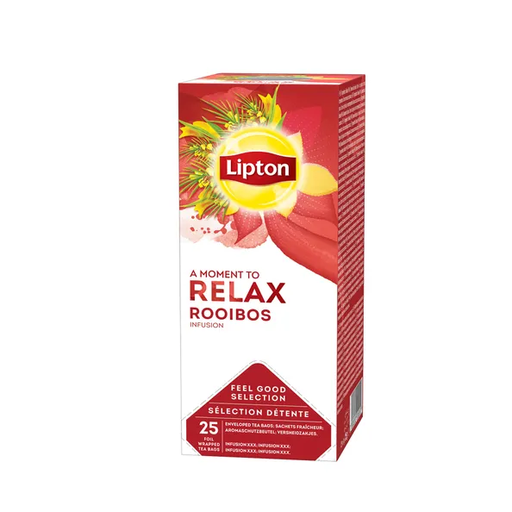 Image unavailable
A rooibos to consider for diners who would prefer an infusion to tea. The product title states that it contains 25 tea bags; check the pack format if the canteen will be handing them out individually.
 Image unavailable
A herbal blend to consider if you want to offer more variety, without interpreting its name as a promise of an effect. The stated weight is 40 g. This recipe contains liquorice, so offer a liquorice-free option too and confirm the number of tea bags when planning replenishment.
 Image unavailable
Another herbal blend to broaden the choice of evening hot drinks. The stated weight is 36 g. The recipe contains liquorice, so keep a liquorice-free alternative available and check the number of tea bags before planning the service.
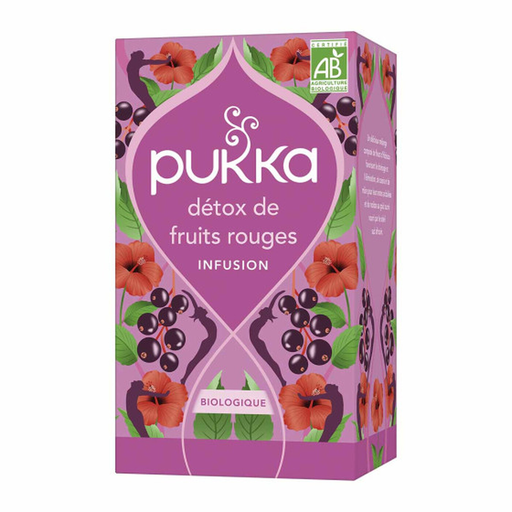 Image unavailable
A red berry option to consider for a wider choice of flavours, without attributing any effect to the “Detox” name. The stated weight is 34 g; confirm the number of tea bags and check the exact product label for information about caffeine.
No. Decaffeinated tea is still a tea-based product, while an infusion made without tea leaves may be a more direct choice for anyone looking to avoid caffeine. For decaffeinated tea, check the information for the exact product rather than assuming it is the same as an infusion labelled caffeine-free.
There’s no need to exclude them altogether, but a liquorice recipe shouldn’t be the only drink on offer for regular consumption. The Anses highlights risks associated with high and repeated liquorice consumption; display the ingredients and provide a liquorice-free alternative.
Don’t present this as a general promise. The DGCCRF notes that nutrition and health claims used for food are regulated. When describing the canteen’s selection, stick to the recipe, flavour and preparation instructions.
Keep the packaging or an up-to-date product sheet for each item, showing details such as the ingredients, allergens and any usage precautions. This is especially useful if the tea bags are placed in a shared container: the DGCCRF stresses the importance of providing clear allergen information for non-prepacked food.