Anyone finishing a coffee and dessert in the evening
If you’d like one last hot drink without adding caffeine, look for a “caffeine-free” or “theine-free” declaration on the specific product, rather than relying on its brand name.


After a coffee and dessert in the evening, choose rooibos or a herbal infusion that is explicitly labelled “caffeine-free” or “theine-free”. A name such as “Evening Flavours” isn’t enough to confirm this. To enjoy with dessert, compare vanilla or cocoa blends with mint or verbena infusions if you prefer a fresher taste, then check the ingredients of your chosen product.
If you’d like one last hot drink without adding caffeine, look for a “caffeine-free” or “theine-free” declaration on the specific product, rather than relying on its brand name.
With a pastry, biscuit or chocolate, you can compare vanilla or cocoa rooibos blends with herbal infusions that have a fresher taste. Check the ingredients to see where the advertised flavour comes from.
If you’re watching out for particular herbs, flavourings or allergens, the ingredients list matters more than a “wellness” claim. For prepacked foods sold in France, the DGCCRF says allergens must be highlighted in the ingredients list.
For an evening drink after coffee and dessert, first check the caffeine information on the exact product. Then choose a flavour profile and check the ingredients.
| What to consider | What to check | Who is it for? |
|---|---|---|
| Caffeine-free | Look for “caffeine-free” or “theine-free” on the exact product and check its ingredients. “Evening infusion” on its own isn’t enough. | If I have a hot drink after dessert, I don’t want to add caffeine. Around 50% of consumers would make this verifiable caffeine-free claim their priority. |
| Pairs well with dessert | Compare the herbal base and flavouring ingredients: vanilla or cocoa for a more indulgent note, mint or verbena for something fresher. | With a pastry, I’m mainly looking for a flavour that complements what I’m eating, rather than a herbal finish. Around 30% of consumers would make this their priority. |
| Ingredients | Read the list of herbs and flavourings, as well as any highlighted allergens. Don’t take “wellness” to mean a guaranteed effect. | If I’m unsure about certain ingredients or claims, I want to be able to check the label before choosing. Around 20% of consumers would prioritise this check. |
A wellness infusion range may also include products containing green tea or maté. So a range name doesn’t confirm the caffeine content of every blend.
Look for an explicit “caffeine-free” or “theine-free” statement on the product you choose, and read its ingredients list.
Two blends that mention vanilla, cocoa or fruit may use different ingredients and flavourings. This matters if you’re looking for a particular taste or need to avoid an ingredient.
Compare the ingredients on the exact product, including flavourings and any highlighted allergens.
A marketing claim alone doesn’t tell you what an infusion contains or what it can do. The DGCCRF reminds consumers that nutrition and health claims used for food products are regulated.
Choose a drink for its ingredients and taste, and don’t treat a claim on the packaging as a substitute for medical advice.
A product appearing in a catalogue doesn’t guarantee that you’ll be able to buy it at the shop where you do your grocery shopping.
Before planning what to serve with coffee and dessert, check that the exact product is available at your shop or through your chosen collection option.
One option to compare: vanilla-flavoured rooibos alongside herbal infusions with a fresher taste.
A retailer brand to compare for a vanilla rooibos blend in tea bags.
The “Evening Flavours” product is an option to look at if you’re after an infusion whose name suggests the use you have in mind.
A retailer brand to browse if you’d like to compare a verbena and peppermint infusion with a flavoured rooibos.
A retailer where you can compare herbal teas, including verbena, lemon balm and peppermint blends.
These products let you compare rooibos and infusions with vanilla, fruity or citrus flavours to enjoy after dessert. If you want to avoid caffeine in the evening, check the relevant information on each product before buying.
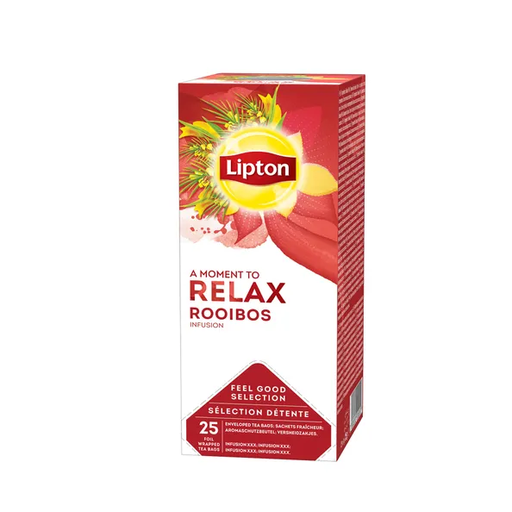 Image unavailable
A rooibos to compare if you’re after a hint of vanilla after dessert. To serve it hot without adding caffeine, check the statement on the packaging and follow the brewing instructions.
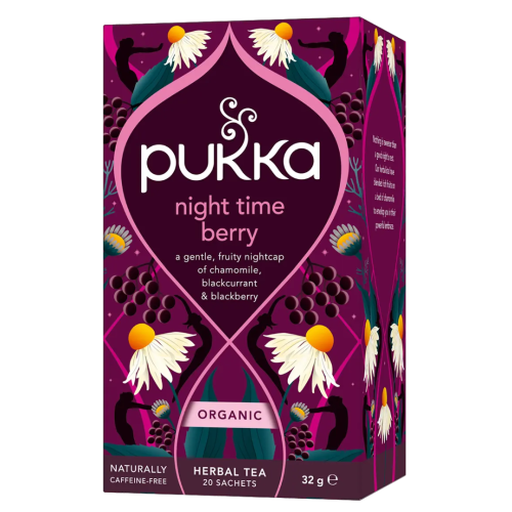 Image unavailable
A red-fruit infusion to consider if you prefer fruity flavours to vanilla or cocoa. Check the caffeine-free statement and ingredients list, particularly if you want to avoid liquorice.
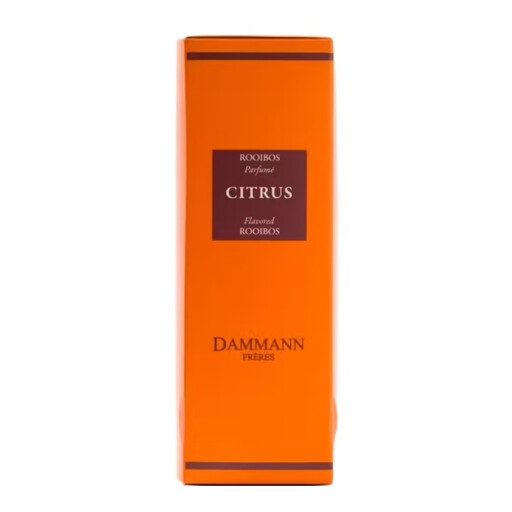 Image unavailable
A citrus rooibos to compare with more vanilla-forward blends to enjoy with a biscuit. Check the caffeine-free statement and ingredients. If you have a citrus allergy, seek appropriate advice before drinking it.
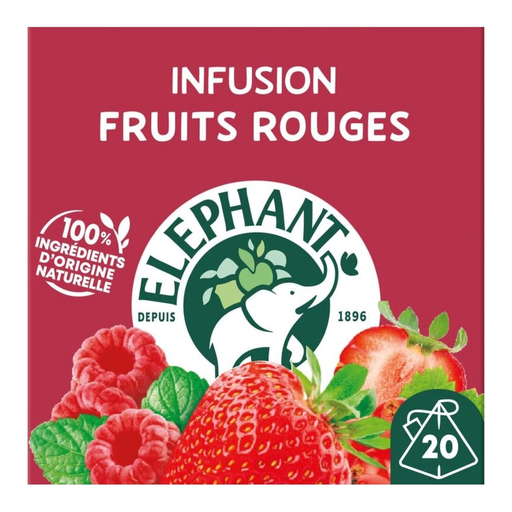 Image unavailable
An infusion to compare if you’re looking for a fruity note after dessert. If mint is what appeals to you, check whether it’s listed on the packaging: the product name and detailed ingredients don’t match on this point. Also check the brewing instructions before serving it hot.
No: “wellness” or “evening” doesn’t confirm that a product is caffeine-free. Look for a “caffeine-free” or “theine-free” statement on the exact product and check its ingredients, especially if you’re having it in the evening.
Vanilla rooibos or a cocoa blend are worth considering if you’re after a flavour that echoes your dessert. Mint or verbena are a good fit if you prefer a fresher finish. Check the ingredients: for example, the Jardin BiO étic product listed by Auchan is described as 94% rooibos and 6% natural vanilla flavouring.
Follow the instructions for the product you’ve bought rather than relying on one brewing time for all rooibos. Carrefour’s listing for Kusmi Tea Rooibos Vanille recommends brewing for 5 minutes at 90 °C; other blends may have different instructions.
No: these words alone don’t guarantee an effect on your health. In France and the European Union, nutrition and health claims used for food products are regulated, as the DGCCRF reminds consumers. Check the ingredients and don’t treat an infusion as a medicine.
When choosing a prepacked infusion in France, read its product name and ingredients list. The DGCCRF says allergens must be highlighted in the list. Also check the preparation instructions and, if it’s your main concern, look for an explicit “caffeine-free” or “theine-free” statement on the product you choose.