For serving sardines as the centrepiece
If you’re serving a tin with nothing more than toasted bread, a simple recipe and details specific to that product, such as the ageing or preparation stated by Connétable, can help you choose.


If you’re serving the sardines almost on their own, choose a simple recipe and check the details of the specific tin, such as its provenance or stated ageing. For easy-to-share toast toppings, fillets or a tin labelled boneless make serving simpler. A lemon or chilli recipe is a better choice if those flavours work with the rest of your menu. Finally, check the ingredients and drained net weight to plan your plate for two.
If you’re serving a tin with nothing more than toasted bread, a simple recipe and details specific to that product, such as the ageing or preparation stated by Connétable, can help you choose.
Fillets or a product explicitly labelled “boneless” are easier to arrange on toast or on a small plate. Check the description on the tin you choose.
A recipe with lemon, olives or chilli comes seasoned already. Check the ingredients before pairing it with the other flavours in your meal.
First, decide how you’ll serve the sardines: almost on their own, as bite-sized nibbles or with accompaniments that are already seasoned. Then compare the exact products, as the format and recipe can vary within the same brand.
| Criterion | What to check | Who might this suit? |
|---|---|---|
| Taste and provenance | The recipe, format and any ageing or fishing details for the specific product. | If sardines are the centrepiece, I want to choose the tin for its own features rather than just its brand. Around 36% of consumers would put this tasting experience first. |
| Boneless serving | Look for “fillets” or “boneless” on the label, and check the drained net weight. | When making toast toppings without having to remove bones at the table, I’d prioritise a format that’s easy to portion out. This convenience would be the main priority for around 29% of consumers. |
| Pairing with the menu | The ingredients list, particularly whether it contains lemon, olives or chilli. | When the accompaniments are already well seasoned, I want to know whether the tin’s seasoning will work with them. Around 21% of consumers would make this their main criterion. |
| Amount to serve | The drained net weight and ingredients, rather than the total weight alone. | To prepare a plate for two, I need to know how much sardine there’ll be once the oil has been drained. This would be the main concern for around 14% of consumers. |
The net weight also includes the covering oil, so two tins with the same net weight can contain different drained quantities.
To plan your portions, compare the drained net weight shown on the labels.
The products reviewed also include olives, lemon or chilli. One regional product even combines sardines fried in sunflower oil with added olive oil.
Read the full ingredients list and choose a seasoning that suits your menu.
Whole sardines are served differently from fillets when you’re making toast toppings to share.
If this matters to your guests, look for “fillets” or “boneless” on the specific product label.
Storage instructions after opening vary by product and are important if you won’t be serving the whole tin with your meal.
Follow the tin’s instructions for refrigerating leftovers and use them within the stated time.
Products worth considering if you’re serving the sardines almost on their own.
Fillets to consider when preparing toast toppings or a sharing plate.
A whole sardine product worth checking for its ingredients.
Two different formats to consider, depending on whether you’re looking for the organic product reviewed or a boneless option.
Two products sold by E.Leclerc, with different recipes and provenance details.
These Joybuy products offer a few ways to serve sardines for two: a recipe with olive oil, fillets to arrange on toast or tins seasoned with lemon or chilli.
 Image unavailable
Worth considering if you’d like to serve the sardines on bread or with potatoes. To plan how much to serve, check the drained net weight on the tin.
 Image unavailable
Worth considering for easy-to-share toast toppings. If you need the sardines to be completely boneless, check the exact product description and details on the tin.
 Image unavailable
Worth considering for a starter or toast toppings if both guests enjoy a recipe with Espelette chilli. Check the other seasonings on your menu before choosing this tin.
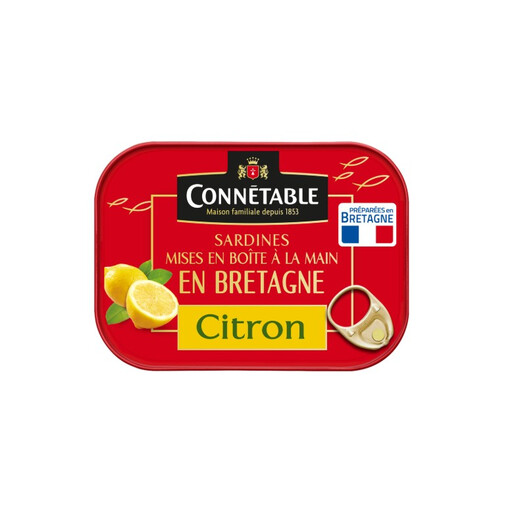 Image unavailable
Worth considering if lemon works with your planned starter. The ingredients listed for this product include 12% extra virgin olive oil and 4.3% lemon slices.
 Image unavailable
The fillet format is a good choice if you’d like to arrange the sardines on toast. Check the label for the exact type of oil and the drained net weight before planning your portions.
Compare drained net weights to estimate how much fish you’ll be serving, as the net weight also includes the covering liquid. The amount you need will then depend on how the sardines fit into your meal: as starter nibbles or the main feature of your plate.
Fillets are easier to arrange on toast, while whole sardines are a good choice if you want to serve them almost as they are. If bones might be a problem for a guest, look for a tin explicitly labelled “boneless”.
Check the product description, ingredients list, any stated allergens, net quantity and, where shown, drained net weight. This helps you distinguish a simple recipe from a flavoured version and plan how much you’ll actually be serving.
Follow the instructions on the tin you’ve bought and refrigerate any leftovers. The Saupiquet, Auchan and Connétable product information reviewed recommends eating the products concerned within two days of opening; check the timeframe for your tin.