
Livraison le jour même ou le lendemain

Qualité garantie

Débloquez vos offres de bienvenue: Livraison GRATUITE | Jusqu'à -80 % | 30 jours d'essai gratuits à JoyPlus
Téléchargez l'application
Here at the editorial desk, we've seen our fair share of kitchen utensils. The rolling pin seems like a simple tool, and yet... choosing the wrong model is a surefire way to turn a relaxing baking session into a complete struggle. Dough that sticks, an uneven thickness that ruins your biscuits? Look no further—the culprit is often a poorly chosen rolling pin.
To avoid buyer's remorse, here are the 3 classic pitfalls to watch out for.
To find the dough roller that will become your best ally in the kitchen, focus on the essentials.
The material of your rolling pin determines its weight, maintenance, and most importantly, the type of dough you can work with.
More than just an aesthetic detail, this choice radically changes the grip and your control over the dough.
For perfectionists, the adjustable rolling pin is a game-changing baking tool. The concept? Rings of different thicknesses that you attach to the ends. This ensures your biscuit, pizza, or tart dough is rolled out with absolute consistency—the secret to a perfectly even bake. The point of caution: the sturdiness of the rings and the reliability of their attachment.
Let's get practical. Here are three models that tick all the boxes, each catering to a specific need.
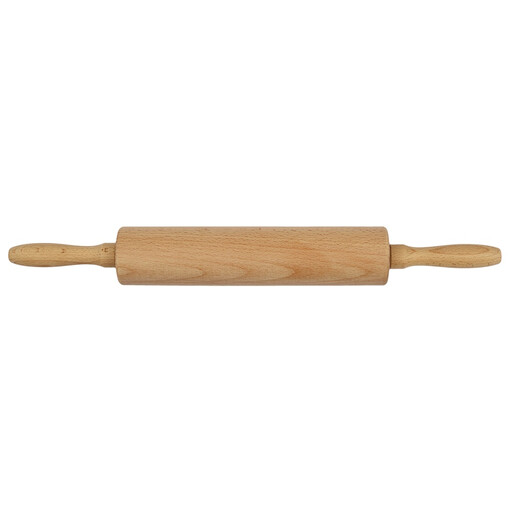
Why we love it: This handleless model is the perfect ally for those who like to "feel" the dough. It offers total control over pressure, perfect for tart or biscuit doughs, and embodies the charm and sturdiness of a classic kitchen tool.
Its strength is its simplicity. It bypasses complex, fragile gadgets to focus on the essential: being a sturdy and effective wooden roller. No moving parts, no coating to wear out.
Its streamlined shape guarantees uniform pressure and perfect control over thickness. Precision in its purest form.
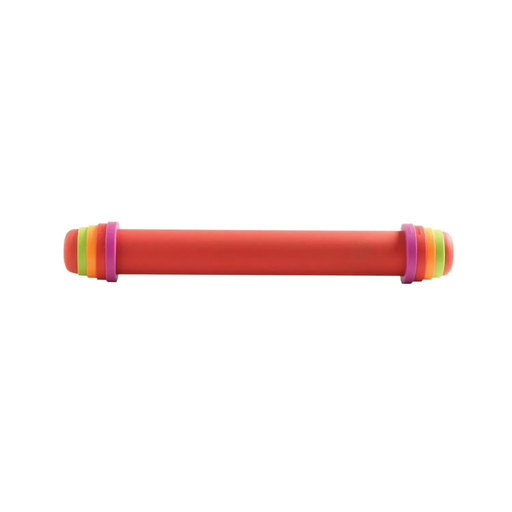
Why we love it: For those aiming for flawless results, this rolling pin ensures dough thickness down to the millimetre thanks to its 4 pairs of rings (2, 4, 6, and 8 mm). It's the ultimate tool for absolutely perfect biscuits, tart bases, or fresh pasta.
It sidesteps two classic pitfalls: its BPA-free silicone coating is genuinely non-stick, and its sturdy, easy-to-change rings won't let you down mid-prep.
Absolute control over thickness for a perfectly consistent bake. Bonus: its non-stick surface and dishwasher-safe design make it incredibly practical.
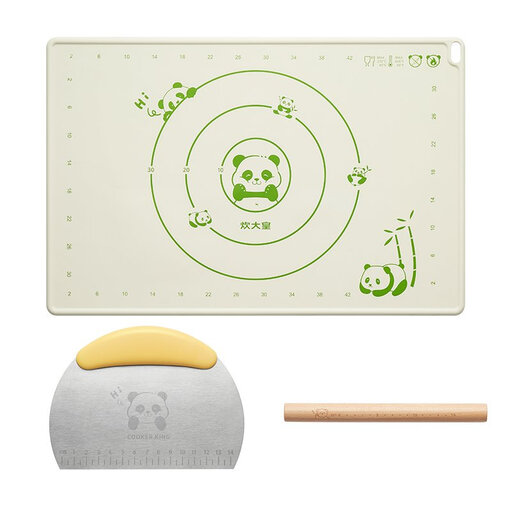
Why we love it: This kit is the all-in-one solution for starting off on the right foot. It combines a clean, smart work surface with an effective tool. The large silicone mat is non-slip and graduated, and the included wooden rolling pin is a reliable classic for all types of dough.
Instead of a coating on the roller, it tackles the problem at the source with a high-performance work surface. No more frustration from dough sticking to the counter, thanks to the non-stick mat.
A 3-in-1 kit (mat, roller, dough cutter) that optimises space, simplifies cleaning, and provides everything you need to get started with a cohesive and effective setup.
Discover our complete selection of rolling pins, all tested and approved by our experts for their quality and durability.
Golden rule: never let it soak in water or put it in the dishwasher, as it will swell and crack. After each use, scrape off any excess dough (with a spatula or the back of a knife), then wipe it with a damp cloth. Dry it immediately. To pamper it and preserve its patina, you can occasionally oil it with a food-grade mineral oil.
If you only bake once a year, then no. But if you're a fan of making biscuits, shortbread, tart bases, or fresh pasta, then yes, an adjustable rolling pin is a life-changer. It guarantees a consistent thickness, which is the secret to an even bake and a professional-looking result.
The rolling pin with handles is often more comfortable for beginners or for applying force to a tough dough, thanks to its intuitive grip. The handleless pin (the famous "French rolling pin") is a favourite among bakers because it offers much finer control. With your hands directly on the barrel, you can "feel" the dough better to adjust the pressure with surgical precision.