
Livraison le jour même ou le lendemain

Qualité garantie

Débloquez vos offres de bienvenue: Livraison GRATUITE | Jusqu'à -80 % | 30 jours d'essai gratuits à JoyPlus
Téléchargez l'application
A roller mosquito net lets you protect an opening with unusual dimensions without having to buy a pre-cut model. It is suitable for windows, doors, balconies, conservatories and other outdoor spaces. However, a few details can make the difference between an effective installation and a purchase that ends up unused in a cupboard.
Before choosing your mosquito netting roll, check the mesh fineness, material strength and available width. An inaccurate cut, inadequate fastening or fabric that is not suited to outdoor use can let insects through and may even cause tearing in a short time.
A 1 × 5 m roll obviously does not offer the same flexibility as a 1 × 30 m roll. For a window mosquito net, measure the width and height of each opening, then add a few centimetres on each side. This extra allowance lets you tension the fabric properly and avoid gaps.
For a door, balcony or several windows, a long format such as the 1 × 30 m mosquito net roll reduces the number of joins and allows you to make several cuts from a single length.
An insect net is only effective if its mesh is fine enough and its edges are securely fixed. Fabric with openings that are too large may let the smallest insects through. Conversely, very dense mesh can slightly reduce airflow.
Pay particular attention to the mesh size, dimensional stability and suitability for the intended use. Several products featured here have a 1.6 × 1.6 mm mesh: a useful reference point for comparing different models.
For mosquito netting intended for a balcony or garden, UV exposure, moisture and temperature fluctuations must all be taken into account. A UV-resistant mosquito net will cope better with outdoor use, provided you follow the manufacturer’s recommendations.
Fastenings are not necessarily included with the roll. Depending on the surface, you can use suitable adhesive, hook-and-loop strips, staples, hooks or a profile. The surface must be clean, dry and sufficiently even to hold the fabric without creating a sag or leaving gaps.
Fibreglass mosquito netting is lightweight, flexible and well suited to made-to-measure cuts. TENAX Tropical products state that they can be cut with scissors without fraying, making it easier to adjust the netting to a window or door.
Plastic mosquito netting, particularly polypropylene or fibreglass-reinforced plastic depending on the model, is suitable for outdoor use and installations requiring flexible fabric. However, check its heat resistance: plastic netting must be kept away from flames and strong heat sources.
A cuttable mosquito net should retain its shape once adjusted. Fabric that becomes distorted or frays makes installation more difficult and may create weak areas around the frame.
Make a clean cut, use suitable tools and tension the netting before fastening it. For large openings, it is best to work in pairs so that one person can hold the fabric during installation.
A washable model can be removed at the end of the season, cleaned and stored in a dry place. The white Tenax Tropical fibreglass model states that it can be washed at 30 °C. Avoid abrasive products and bleach, which could damage the material or affect its appearance.
Before storing the mosquito net, inspect it for any tears. A small temporary repair may be useful, but it will not always replace changing a section that is too badly damaged.
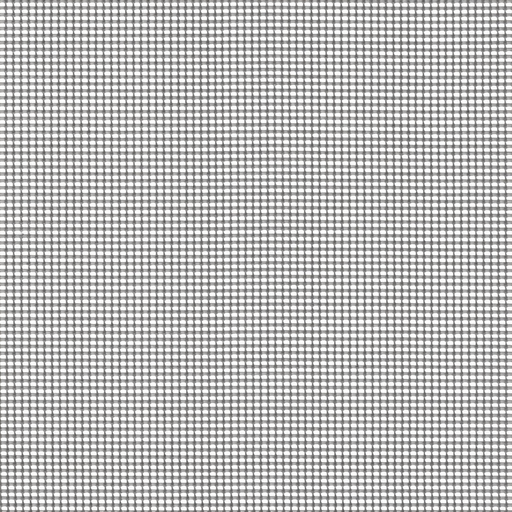
Why this product suits this profile : Its 1 × 5 m format is suitable for a window, small door or balcony opening that does not require a large amount of netting. Its grey colour blends discreetly with many surfaces.
Its clearly stated dimensions help prevent you from buying an excessive length for a single opening. You should still allow extra material for fastening.
Reinforced plastic, flexible fabric, washable and foldable for easy storage.
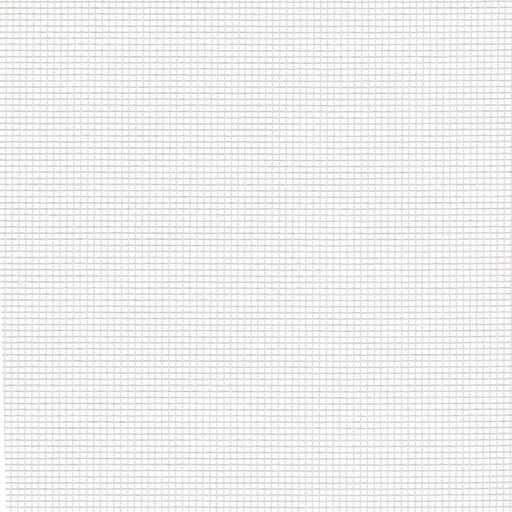
Why this product suits this profile : With a width of 1.2 m and a length of 30 m, this roll provides plenty of material for several windows, doors or conservatory openings.
Its generous length reduces the number of joins and leaves sufficient allowance for cutting. The fabric can be cut with scissors without fraying.
Fibreglass, fine mesh, good dimensional stability and washable at 30 °C.
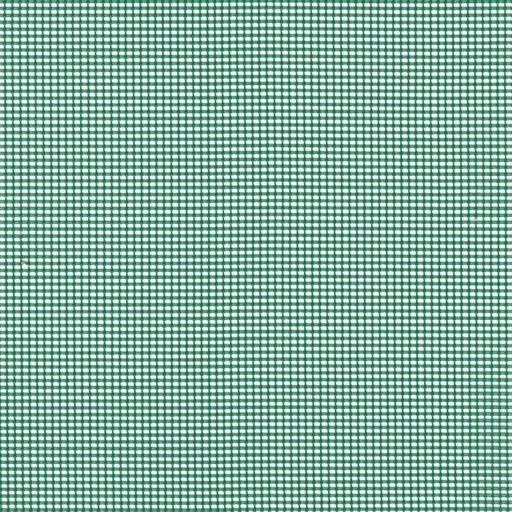
Why this product suits this profile : This green 1 × 5 m roll is designed for gardens, balconies, windows and other outdoor spaces where flexible netting is required.
Its 1.6 × 1.6 mm square mesh and stated stability make it easy to check the dimensions before installation. The fabric must be kept away from flames and high temperatures.
Polypropylene, stated resistance to weather and chemical agents, can be cut and shaped.
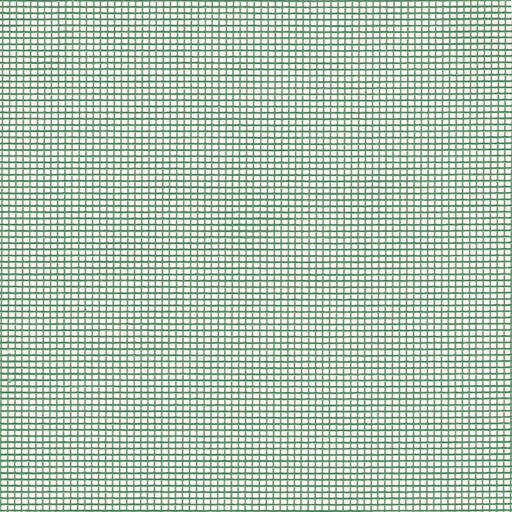
Why this product suits this profile : With its 30 m length, this roll lets you renovate several frames in a home, conservatory or other space requiring repeated cuts.
The rectangular mesh is designed to retain its dimensions. The fibreglass is stated to be resistant to tears and UV rays.
1 m width, 1.6 × 1.6 mm mesh, washable netting that can be reused after storage.
We have selected a complete, regularly updated range of products that meet these demanding criteria, while complying with European safety regulations.
For a frequently used door, mechanical fastening or a profile will generally be more reliable than simple adhesive. On a rented property’s window, a removable solution avoids permanently altering the frame, provided you obtain the landlord’s permission where necessary.
Add together the dimensions of all the openings, then allow extra material for each frame. A 5 m roll may be enough for a small installation. For several windows, a door or a conservatory, a 30 m roll offers greater flexibility.
Depending on the surface, you can use hook-and-loop strips, suitable adhesive, staples or hooks. The fastening must hold the netting taut and completely close the edges. Accessories are not always included: check the product details before placing your order.
It depends on exposure to sunlight, wind, handling and the quality of the fastening. Netting stated to be UV-resistant will cope better with outdoor installation, but it should still be checked regularly. Clean it according to the instructions and store it somewhere dry when not in use.