
Livraison le jour même ou le lendemain

Qualité garantie

Débloquez vos offres de bienvenue: Livraison GRATUITE | Jusqu'à -80 % | 30 jours d'essai gratuits à JoyPlus
Téléchargez l'application
A roller mosquito net protects an opening from insects while still letting air circulate. It can be fitted to a window, door, balcony, conservatory, air vent or even used as part of a temporary setup. Its format is easy to cut and suits both tenants and homeowners alike. But depending on the material, dimensions and fixing system, not all rolls are created equal.
Before placing an order, three mistakes crop up time and again:
Here are the criteria you need to consider to choose a solution that suits your home and your needs.
Plastic mosquito netting is lightweight, flexible and easy to handle. It works well for simple installations on a window, a door that isn't used much, or a balcony. Polyethylene and polypropylene are well suited to fitting with adhesive tape, staples, hooks or fixings that are compatible with the surface.
Fibreglass mosquito netting is built on a more stable weave that's better reinforced against tears. The models shown here can be cut with scissors while keeping their shape after cutting. They are particularly good for a long-lasting installation, for example on windows that are often opened or frames exposed to temperature changes and the elements.
Always check the material stated on the product page: commercial names aren't always very precise. The technical description should mention the material, the mesh size and the conditions of use.
A cut-to-size mosquito net can be adapted to virtually any opening, provided you plan the right dimensions. Before ordering:
A 1 × 5 m roll can be enough for a small window, a secondary door or a balcony opening. For a house with several windows, a French door or a large area to protect, a 1 × 30 m format gives you much more flexibility. A width of 1.2 m also lets you cover taller openings while keeping horizontal joins to a minimum.
Watch out for the phrase "made-to-measure mosquito net": it doesn't necessarily mean the mesh will be manufactured to the exact dimensions of your window. In most cases, it simply means the roll can be cut by you.
Several models feature a 1.6 × 1.6 mm mesh. This tight weave is designed to block mosquitoes, flies and small insects while still allowing air to flow through.
For fitting on a balcony, terrace or a frame exposed to sunlight, choose a UV-resistant mosquito net. A stabilising treatment can help preserve the colour and dimensions of the material over time. That doesn't mean you can skip regular checks: a tear, a peeling edge or a loose fixing is all it takes to create a point of entry.
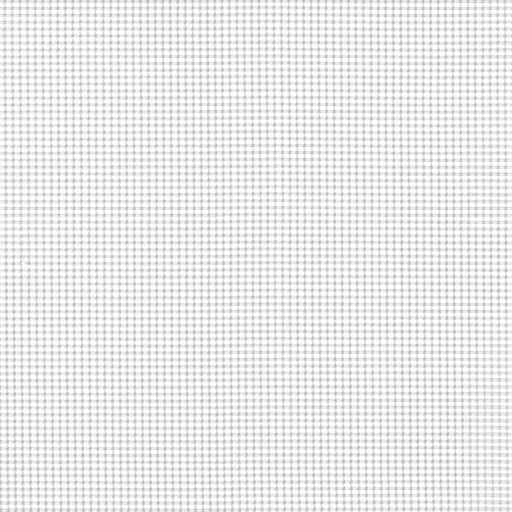
Why this choice suits this profile: Its 1 × 5 m format is ideal for a one-off installation on a window, a small door or a balcony opening. The white mesh blends discreetly into most interiors.
Its dimensions are clearly stated and the polyethylene can be measured and then cut before fixing.
A lightweight format, flexible fitting and good airflow through the mesh.
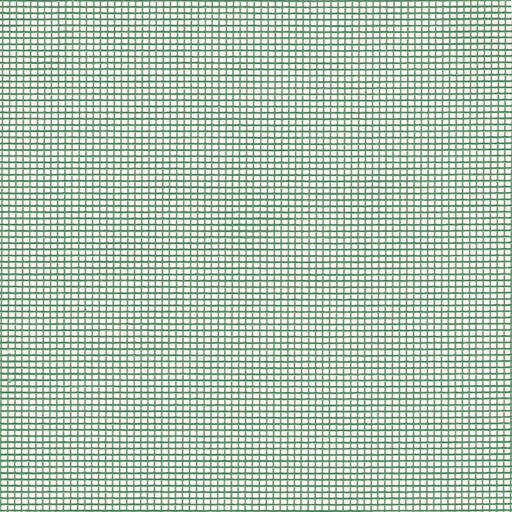
Why this choice suits this profile: Its 1 × 30 m roll and fibreglass construction are well suited to projects involving several openings or an installation intended to be reused.
The fibreglass is described as stable, washable and resistant to tears and UV, not just labelled as "durable".
A 1.6 × 1.6 mm mesh, a 30 m roll and stated resistance to UV, chemical agents and weather conditions.
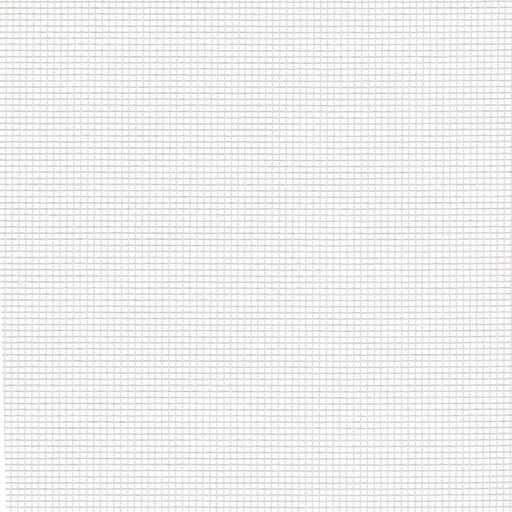
Why this choice suits this profile: Its 1.2 m width and 30 m length make light work of projects involving doors, tall windows, balconies or several areas to protect.
Cutting with scissors is designed not to fray, which helps you achieve neat finishes when fitting to size.
A 1.2 m width, fibreglass, machine washable at 30 °C and suitable for both doors and windows.
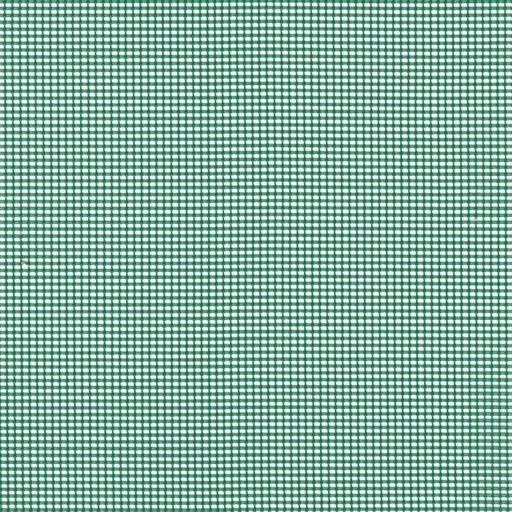
Why this choice suits this profile: Its green colour can blend into a garden, terrace or outdoor structure. Its format lends itself well to targeted cutting.
The 1.6 × 1.6 mm mesh and the fitting instructions with sufficient tension let you concretely check the coverage of the opening.
A 1 × 5 m roll, polypropylene, easy cutting and stated resistance to weather conditions and UV.
We've put together a comprehensive, real-time updated selection of products that meet these demanding criteria and European safety standards.
Cut the mesh on a clean surface using suitable scissors. Wear gloves when handling a fibreglass mosquito net: its fibres can irritate the skin. Then fix the fabric to a frame, window or door using a system compatible with the surface: adhesive tape, staples, fixings, hooks or profiles.
The fabric needs to be taut enough, without becoming distorted. Carefully check the corners and joins, as these are the areas most likely to develop a gap. For cleaning, refer to the product instructions. Some models can be washed, while others only need gentle dusting.
Store any unused roll in a dry place, away from direct sunlight and heat sources. Never use it as a support, climbing protection or equipment intended for children. When cutting, also keep the fabric away from flames and handle tools with care.
Measure all the openings, then add the margin needed for fixing. A 1 × 5 m roll can be enough for a small installation. For several windows, a French door or a balcony, a 30 m roll reduces the number of joins and keeps a spare for cutting.
You can use adhesive tape suitable for the surface, staples, hooks or fixings. The fixing needs to be continuous all around the opening and strong enough to keep the mesh taut. On a painted or delicate surface, first test the adhesion in an inconspicuous spot.
Its lifespan depends on exposure to sunlight, wind, handling and the quality of the fixing. A UV-stabilised mesh can be suitable for outdoor use, but regularly check for tears, distortion and areas that are coming away. Replace the mesh as soon as it no longer properly covers the opening.