
Livraison le jour même ou le lendemain

Qualité garantie

Débloquez vos offres de bienvenue: Livraison GRATUITE | Jusqu'à -80 % | 30 jours d'essai gratuits à JoyPlus
Téléchargez l'application
The arrival of warmer weather also signals the return of mosquitoes and other flying insects, capable of turning a peaceful evening into a complete nightmare. The roller insect screen is a highly popular anti-mosquito solution, valued for its flexibility and effectiveness. But be warned: not all mesh is created equal. Some products that look great on paper turn out to be very poor investments. To make the right choice, you need to know the common pitfalls to avoid.
User reviews often highlight two major problems:
Choosing a cut-to-size insect screen mesh shouldn't be a gamble. Fortunately, a few simple technical criteria can ensure you invest in a durable and easy-to-install product.
To fit a window or door screen, three parameters must be considered. They determine the durability, ease of installation, and effectiveness of your protection.
The choice of material has a direct impact on the longevity and robustness of your insect screen.
The mesh structure is crucial for two reasons. Firstly, its size determines its effectiveness: a standard 1.6?x?1.6?mm mesh is sufficient to block most mosquitoes and flies while ensuring good air circulation. Secondly, its design must guarantee a clean cut. A quality mesh, whether plastic or fibreglass, should not fray when cut. This is a detail that makes all the difference for a screen sold by the metre that you want to fit perfectly to your openings.
An insect screen is constantly exposed to the elements. The term 'UV-stabilised' is not just a marketing buzzword; it's your guarantee that the mesh will retain its colour and mechanical properties (flexibility, strength) season after season. An untreated product will become brittle and ineffective, forcing you to replace it prematurely.
To move from theory to practice, here’s how these criteria translate into our product selection, tailored for different needs.
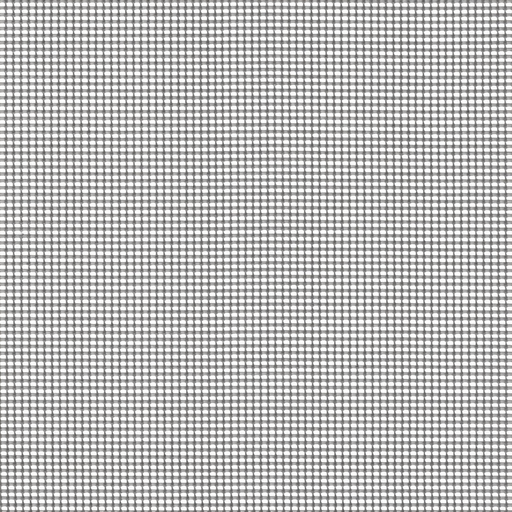
Why we chose it: Perfect for protecting one or two standard windows or for a second home. Its 5-metre length and plastic material make it a cost-effective and easy-to-install solution for specific, one-off needs.
Made from quality, UV-treated polyethylene, this model avoids the pitfall of rapid sun degradation—a typical flaw in budget plastic screens.
Its flexibility and light weight make it very simple to cut and install, even for occasional DIYers. A bonus: the mesh is washable and reusable.
Why we chose it: Perfect for outfitting an entire home. The 30-metre roll allows you to cover numerous windows and doors, and the fibreglass material is a guarantee of longevity for an installation built to last.
Say goodbye to fraying when you cut! Its fibreglass structure is designed for a clean cut, ensuring neat finishes and a stress-free installation, even for a large-scale project.
Its excellent dimensional stability and resistance to both weather and UV rays ensure a lifespan of several years, without warping or discolouration.
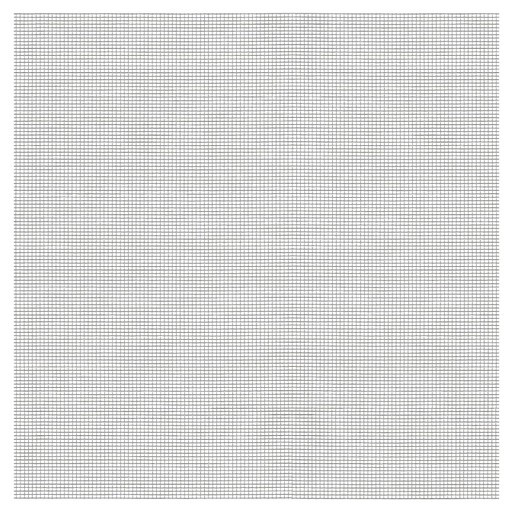
Why we chose it: The grey colour offers better transparency from the inside and a more discreet visual impact on the building's facade. The robustness of fibreglass makes it ideal for doors and high-traffic areas.
Like the other fibreglass models, this mesh is highly durable and UV-treated. It won't warp or discolour, thus maintaining its discreet appearance and effectiveness season after season.
Its 1.6 x 1.6 mm mesh effectively blocks insects while remaining discreet. Its mechanical strength is a real asset for the most frequently used areas (doors, etc.).
Explore our complete selection of insect screen meshes that meet our criteria for quality and durability.
Installation is usually straightforward. After measuring your window or door frame, cut the mesh to the correct dimensions with scissors or a utility knife (which is why it's so important to choose a non-fraying mesh!). It can then be attached using hook-and-loop strips, staples, or by inserting the mesh into a dedicated frame. Remember to pull it taut for a flawless result.
A high-quality fibreglass insect screen, properly maintained and treated for UV resistance, can easily last between 5 and 10 years. Its weather resistance and stability allow it to endure the seasons without issue and without losing its effectiveness.
No, a quality insect screen is designed to have a minimal impact on ventilation. A standard mesh (approx. 1.6?x?1.6?mm) offers the ideal compromise: it's fine enough to block insects but wide enough to let air circulate freely. A quick tip: darker screens (grey or black) offer better visibility to the outside and preserve brightness more effectively.