
Livraison le jour même ou le lendemain

Qualité garantie

Débloquez vos offres de bienvenue: Livraison GRATUITE | Jusqu'à -80 % | 30 jours d'essai gratuits à JoyPlus
Téléchargez l'application
Need to mark out your garden, protect a vegetable patch, or build an animal enclosure? It seems like a simple task, but choosing the right rolled fencing can quickly become a headache. Faced with a multitude of options, it's easy to fall into the classic traps that turn a DIY project into a source of frustration and unnecessary expense. One wrong choice, and you could end up with a fence that's rusted in under a year, animals that escape, or netting that tears at the first gust of wind.
As the Head of Product Selections at Joybuy, my role is to help you see things more clearly. Let's review the mistakes to avoid and the technical criteria to check to choose a flexible fencing that will truly meet your needs, without being fooled by marketing claims.
Before you even start comparing products, it's essential to know the hidden flaws that plague most entry-level fencing.
To ensure you're making the right investment, focus on these three technical parameters.
The choice of material determines the longevity and maintenance of your installation.
The size of the mesh openings is not a minor detail; quite the opposite. It must be chosen precisely according to your project:
Precisely measure the perimeter to be fenced before any purchase. It's wise to allow a 5% margin for cuts and corners. The height depends on your goal: 0.50?m to 1?m is sufficient for a vegetable garden border, while 1.50?m to 2?m will be necessary to secure a property or contain jumping animals.
Here are a few products that meet specific needs, selected according to our criteria for durability and functionality.
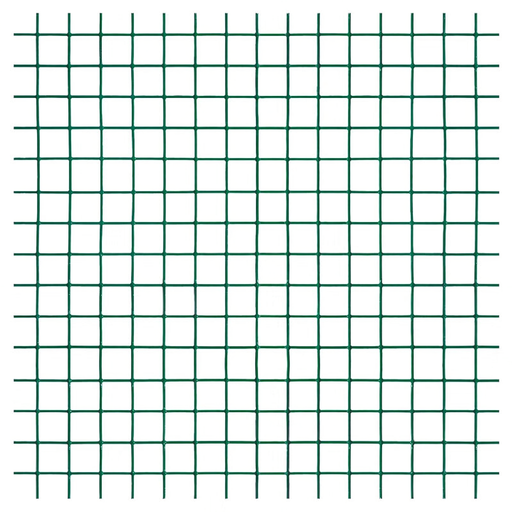
Why we chose it: This small-sized roll is particularly easy to handle for reinforcing a fence, protecting young plants, or creating a border. Its rigid square mesh provides excellent structure for everyday DIY projects.
Its galvanised steel core is fully encased in green plastic, creating a highly effective double barrier against rust, even in a regularly watered garden.
The rigidity of its square mesh makes it very simple to install and tighten, even for an occasional DIYer.
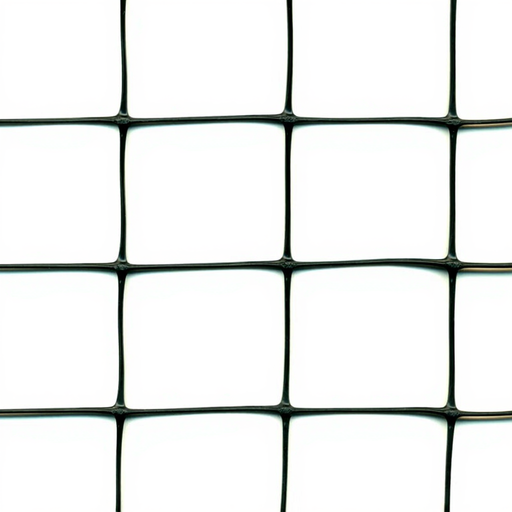
Why we chose it: Designed for large areas, this polypropylene netting is both lightweight and extremely strong. It is perfect for creating aviaries, chicken coops, or animal pens, providing a reliable barrier over very long distances.
This is a technical plastic fencing. Its manufacturing process, using molecular bi-orientation, gives it a very high tear resistance, far superior to standard plastic nets.
UV-treated, it does not fade or become brittle over time, ensuring a long outdoor lifespan with no maintenance required.
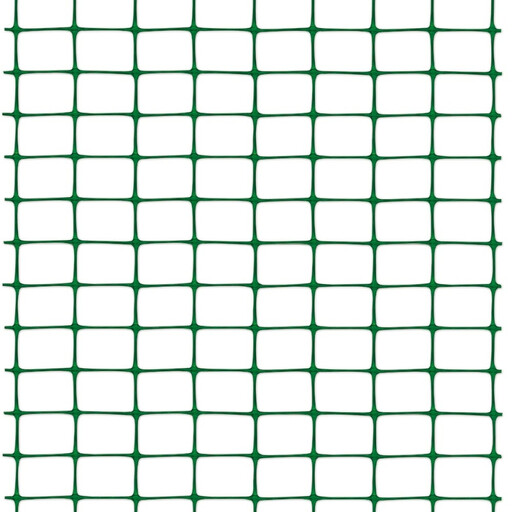
Why we chose it: For a permanent residential fence, especially in coastal areas, this net is the perfect alternative to metal. It offers a similar appearance and strength, but with zero risk of corrosion.
Made from 100% polypropylene, it is completely impervious to salt corrosion and UV rays. It definitively solves the problem of rust, even in the most hostile environments.
Its molecularly oriented strand structure gives it very high tensile strength. The result is a strong, durable fence that requires no maintenance.
We have compiled a complete list of products that meet our selection criteria and current safety standards.
Its longevity depends primarily on the material and the environment. A simply galvanised steel fence can start to rust in 2 to 5 years in a humid area. A galvanised and then plastic-coated model will easily last 10 to 15 years. As for high-quality, UV-stabilised polypropylene fencing, like the Tenax Millennium or Cintoflex ranges, they are designed to last well over a decade, as they are impervious to rust and weathering.
Good tension is the key to a successful installation. Use corner posts reinforced with support struts. Attach the beginning of the roll to the first post, then unroll it to the next post, tensioning it manually or with a tensioner. The fencing is then attached to the intermediate posts with tension wire and staples (or ties), ensuring it doesn't sag at the top or bottom.
Yes, provided you choose the right quality. A simple, entry-level plastic fencing net won't stand up to a determined animal for long. However, a technical plastic fencing made of bi-oriented polypropylene (like the Cintoflex range) offers very high tensile and tear resistance. This is more than sufficient for creating an animal enclosure for poultry (chickens, ducks) or for medium-sized domestic pets. Just remember to always check the manufacturer's specifications and their recommended use.