
Livraison le jour même ou le lendemain

Qualité garantie

Débloquez vos offres de bienvenue: Livraison GRATUITE | Jusqu'à -80 % | 30 jours d'essai gratuits à JoyPlus
Téléchargez l'application
A robot vacuum and mop can save you from doing a large proportion of the cleaning manually, but not every model is suited to every type of interior. Wooden flooring, thick rugs, pet hair, door thresholds or a bulky docking station: each of these factors has a tangible impact on day-to-day use.
Before placing your order, three common mistakes are worth avoiding:
If you live with pets, choose a main brush designed to minimise hair and fur tangles. Claims such as ‘anti-tangle’ or ‘anti-wrap’ should be backed up by a precise description of the system, such as a comb, blade, dual brush or dedicated design.
Advertised power, expressed in Pa, makes it possible to compare technical specifications, but it is not a universal measure of performance. A genuinely effective robot vacuum should also offer settings suited to both carpets and hard floors. Automatic carpet detection, mop-pad lifting and the option to schedule multiple passes are particularly useful in a pet-owning household.
A robot vacuum with a mop is mainly intended for regularly dealing with small marks and fine dust. It will not necessarily replace manual mopping when it comes to removing dried-on or ingrained stains.
Remember to check the following:
With long-pile rugs, it is better to create a no-go zone in the app, even if the robot has a mop-lifting function.
A robot vacuum equipped with LiDAR navigation generally maps rooms using a laser sensor. This technology makes it easier to create maps, clean specific zones and manage multiple floors. A camera or additional sensors may help it identify certain obstacles, but it is still best to remove cables, small objects and liquids before each cleaning cycle.
Advertised battery life depends on the selected mode, the power used and the layout of your home. For a large area, choose a model that can automatically return to its base before resuming cleaning where it stopped. An automatic-emptying station reduces the amount of manual handling, while an all-in-one station adds functions such as washing and drying the mop pads or refilling the tank.

Why it suits this profile : Its design focuses on the essentials, with four modes, remote control and an advertised battery life of up to 165 minutes.
The specifications mention a brush suited to pet hair as well as a HEPA filter. However, the dust is emptied manually, so bear this in mind before buying.
Advertised suction power of 4 500 Pa, 560 ml dust container, Wi-Fi and Bluetooth connectivity.
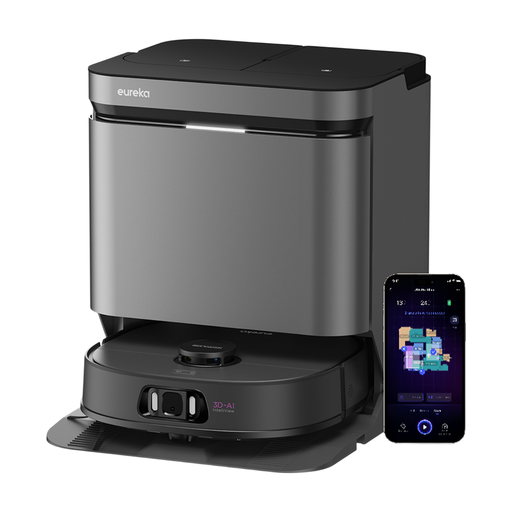
Why it suits this profile : Its station combines dust emptying, base cleaning, mop-pad washing and drying: an especially practical package for frequent use.
The specifications clearly distinguish between suction, obstacle detection and station maintenance. However, make sure there is enough space around the station.
Advertised suction power of 16 200 Pa, LDS navigation, hot-water washing at up to 75 °C and anti-tangle technology.
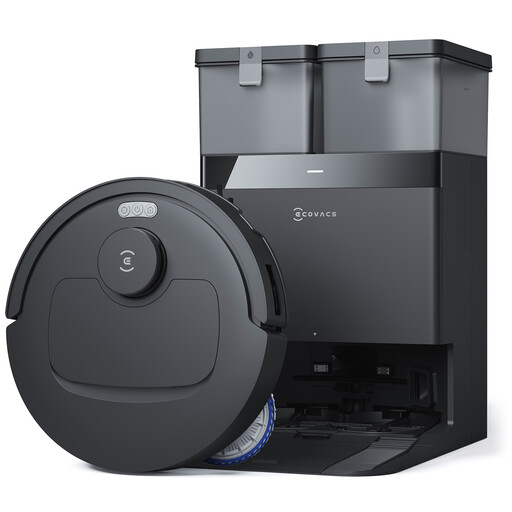
Why it suits this profile : The OMNI station is designed for households that run repeated cycles across hard floors, carpets and areas particularly exposed to pet hair.
Carpet lifting and detection help prevent wet contact with carpets. The station automates several tasks, but the tanks still need to be monitored.
Advertised suction power of 25 000 Pa, mop-pad washing at 75 °C, hot-air drying and a 4 l clean-water tank.
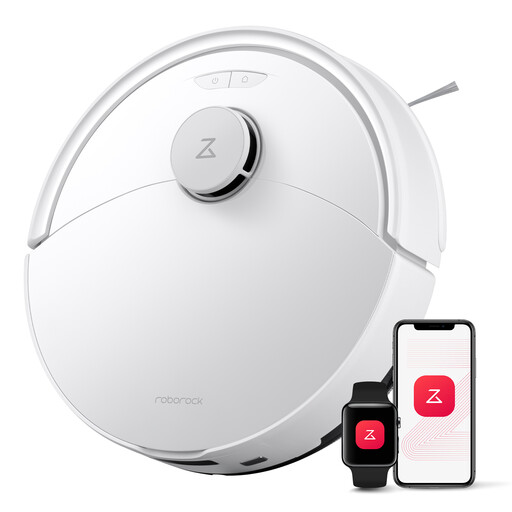
Why it suits this profile : It combines vacuuming, mopping, LiDAR mapping and app settings, allowing you to organise cleaning room by room.
No-go zones and automatic mop lifting make it easier to separate carpets from hard floors. However, the brushes still need to be checked regularly.
Advertised suction power of 10 000 Pa, dual anti-tangle system, PreciSense LiDAR navigation and three water-flow levels.
We have put together a complete, real-time updated selection of products that meet these demanding selection criteria and European safety standards.
Yes. Remove cables, small objects, liquids and fabrics with fringes. Even a connected robot vacuum equipped with sensors can struggle with a very thin object or one lying flat on the floor. Also remember to keep the sensors and charging contacts clean.
It depends on electricity consumption, collection bags or bins, filters, brushes, mop pads and, depending on the manufacturer, compatible cleaning solution. A bagless station can reduce the cost of consumables, while a bagged model can sometimes make dust management easier. Check the relevant references and their prices before buying.
This depends on how often the cycles run, the amount of hair collected, the quality of maintenance and the availability of spare parts. Clean the brushes, filters, wheels and sensors regularly, empty the tanks and allow washable components to dry before putting them back in place. Also follow the safety instructions: these appliances must not be used to vacuum standing liquids, hot objects or flammable products.