
Livraison le jour même ou le lendemain

Qualité garantie

Débloquez vos offres de bienvenue: Livraison GRATUITE | Jusqu'à -80 % | 30 jours d'essai gratuits à JoyPlus
Téléchargez l'application
Hard-to-reach windows, patio doors and high-level glazed surfaces take time to clean, sometimes at the cost of unnecessary risk. A robot window cleaner can automate part of this chore, but not every model is suited to every home layout.
Before you place an order, three common pitfalls keep cropping up:
The idea, then, is to compare the whole design: power supply, edge detection, navigation, compatible surfaces and operating procedure.
An automatic robot window cleaner typically runs on mains power. Some models also have a backup battery, called an UPS, which keeps the device against the window for a set period if the power goes out.
This battery does not necessarily allow cordless use. Several PuRuiKai models, for example, state that their internal battery is reserved for fall protection. So you need to have a socket near the window and avoid letting the cable hang outside.
Also check for:
Even with anti-fall protection, a robot window cleaner should always be attached to its safety tether. Cracked, rain-wet, textured or poorly fitted surfaces should be avoided.
Robot window cleaners are not necessarily compatible with every configuration. Before ordering, measure the smallest window you want to clean and check the manufacturer's requirements. The WINBOT W2 OMNI, for example, is specified for windows at least 30 × 40 cm.
For a patio door, a large frameless window or sloping glazing, choose a device with structured navigation and good edge detection. Planning technologies like WIN-SLAM 4.0, found on several ECOVACS models, are designed to organise the route and avoid haphazard movement.
A compact device will be more practical in a bathroom or on a small mirror. Conversely, a model equipped with a station and a long safety cable will be better suited to large glazed areas.
A robot window cleaner with a spray system can dampen the cleaning pad during the cycle, but not all liquids are compatible with every model. The EZIclean Windobot S12 Vibra Max, for instance, states that you should use distilled water only, while other devices accept filtered water or a solution recommended by the brand.
Spraying does not replace preparing the window: start by removing grit and heavy dust to minimise streaks and micro-scratches. After each cycle, wash the pads, empty the tank and check the nozzles. A blocked nozzle can make dampening uneven.
The models below suit different uses. The features mentioned are those stated on the product pages; always consult the manual and terms of sale before use.
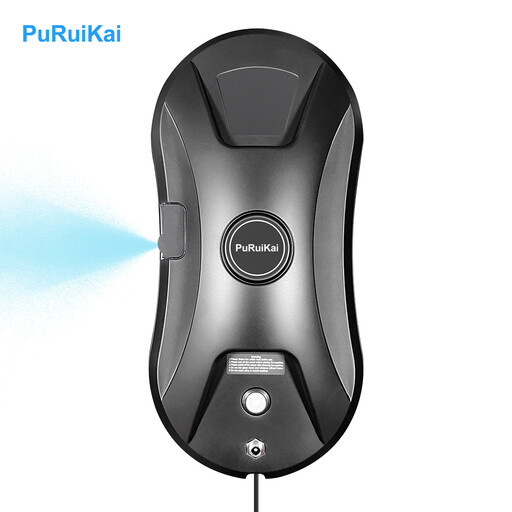
Why this choice suits this profile: designed for smooth windows, this robot combines a stated suction of 5600Pa with smart water spray, all in a simple, easy-to-use design.
The product page specifies it is intended for smooth glass surfaces, so you can rule out textured or damaged panes rather than relying on the suction figure alone.
Stated suction of 5600Pa and built-in water spray for smooth glazing.
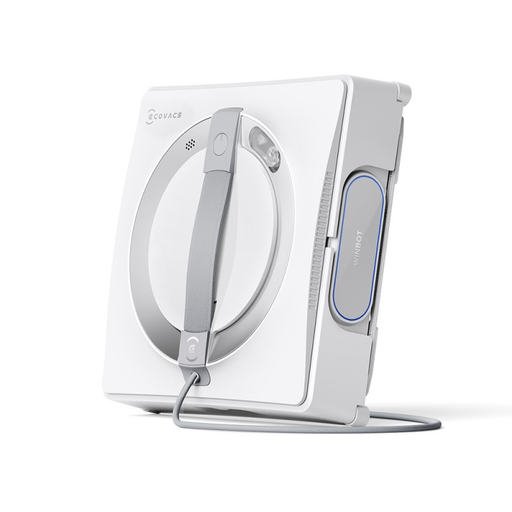
Why this choice suits this profile: its multifunctional station and two power modes are ideal for homes with large glazed areas or hard-to-reach sockets.
The product page clearly distinguishes battery operation from mains use: the stated battery life of up to 110 minutes does not mean the device can run freely without a power supply.
6-in-1 station, stated suction of 5500Pa, three-nozzle spray and twelve stated levels of protection.
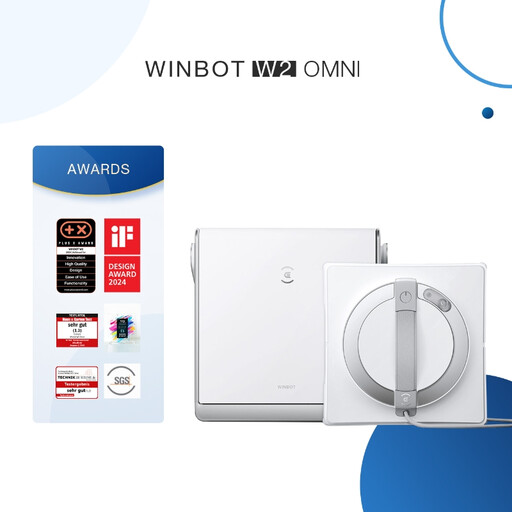
Why this choice suits this profile: it is aimed at users who move from ground-floor windows to sloping glazing, from small surfaces to frameless patio doors.
Its dual-function safety cable, automatic cable management and stated protections make the essential checks easier to carry out before each cycle.
Three-nozzle spray, edge cleaning mode, WIN-SLAM 4.0 planning and control from the control panel or ECOVACS HOME app.
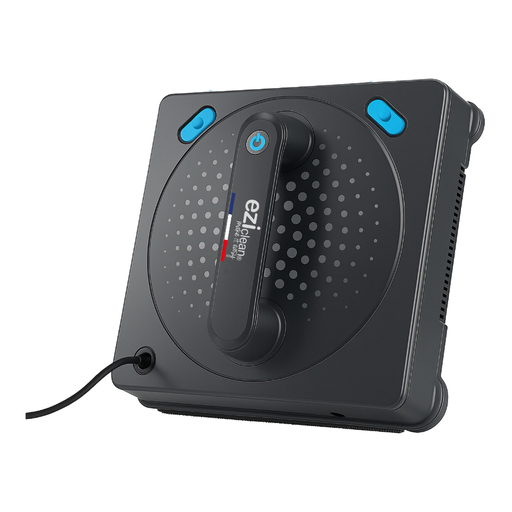
Why this choice suits this profile: its dual suction cup, safety tether and stated backup battery can suit vertical glazing that requires regular checks.
The supplied manual asks you to fully charge the UPS battery and attach the tether to an indoor anchor point before each use.
Vibrating pad, automatic spray, infrared or Bluetooth remote control and stated hold of up to 20 minutes after a power cut.
We have compiled a full list, updated in real time, of products that fully meet these strict selection criteria and European safety regulations.
A robot window cleaner makes daily life easier, but it does not replace a human check. Corners, thick frames and ingrained dirt may still need manual cleaning.
Not always. Many models remain powered by the mains and use their battery only as anti-fall backup. Models with a station and dedicated battery may offer a cordless mode, but you need to check the stated battery life and the conditions of use.
Some devices are stated as compatible with frameless glazing, but the minimum size, flatness and condition of the surface remain decisive. Check the product page, clean the window before placing the robot on it and always use the safety tether.
Electricity consumption is generally limited to the duration of the cycles. Recurring costs mainly involve cleaning pads, distilled or filtered water as per the manual's instructions, and any solutions recommended by the brand. Regular maintenance helps preserve the nozzles and grip.