Busy households with a dog or cat
If pet hair builds up on the floors between cleans, scheduled runs can take care of some of the everyday cleaning. Keep a manual option for areas the robot cannot reach.


For regularly picking up dog or cat hair from uncluttered floors, a programmable robot vacuum can complement a conventional vacuum cleaner, but it cannot replace one for furniture, soft furnishings, stairs and awkward corners. If there’s a lot of hair, check how easy it is to access the brushes and empty the bin or docking station. Even with obstacle avoidance, clear the floor before each run.
If pet hair builds up on the floors between cleans, scheduled runs can take care of some of the everyday cleaning. Keep a manual option for areas the robot cannot reach.
Look at the brush design, how easy the brushes are to remove and how accessible the bin is. Roborock notes that large amounts of hair can still cause problems for the main brush on some models, so an anti-tangle feature does not mean the machine never needs cleaning.
A robot keeps accessible floor surfaces clean. For the sofa, cushions, stairs or crevices, you’ll need a conventional vacuum cleaner with attachments suited to the surfaces you want to clean.
Worth considering: if you want regular cleaning without having to operate the vacuum yourself, and the robot can move around the rooms in question.
Bear in mind: obstacles limit where it can go, and the bin, brushes and, where applicable, docking station still need regular maintenance.
Keep one handy: if pet hair also gets onto furniture, soft furnishings, stairs or into corners.
Bear in mind: these jobs won’t be automated. Choose attachments that are compatible with your vacuum cleaner and the surfaces you need to clean.
| Priority | What to check | What I need |
|---|---|---|
| Floor care | Check the scheduling options, access to the rooms and test results for your flooring. UFC-Que Choisir notes that robot vacuum performance varies depending on the type of floor. | Pet hair gets back onto the floor every day, and I want regular cleaning without having to vacuum myself every time. |
| Brushes and emptying | Check how to remove the brushes, access the bin and, if available, use the docking station’s auto-empty function. Read the maintenance instructions for the exact model. | With lots of hair to pick up, I want to be able to clear the brushes and empty the bin easily. |
| Obstacles | Check when obstacle avoidance works, particularly during mapping. iRobot Support notes that PrecisionVision is inactive while the relevant models are mapping or learning. | Cables or other objects are sometimes left on the floor. I’d rather clear the way than assume the robot will avoid everything. |
| Surfaces out of reach | Identify furniture, soft furnishings, stairs and crevices that need to be cleaned separately. For carpets and fabrics, check that the attachment you choose is compatible with your conventional vacuum cleaner. | There’s pet hair on the sofa or in corners too, so a robot that moves around on the floor will only meet some of my needs. |
It can only move across accessible floor surfaces. Cushions, stairs and crevices need to be cleaned separately.
Before you buy, work out where pet hair tends to build up. If soft furnishings make up a significant part of your cleaning routine, keep a conventional vacuum cleaner with suitable attachments.
Roborock says that large amounts of hair can still cause problems for the main brush on some models.
Check the manual for the model you’re considering to find out how to remove and clean the brushes and access the bin.
Detection depends on the model and the type of cycle. According to iRobot Support, PrecisionVision is not active while the relevant models are mapping or learning.
Pick up cables, small objects and pet mess before the first run. For subsequent cycles, follow the obstacle-avoidance instructions for your specific robot.
A suction power figure alone doesn’t tell you how well a vacuum will pick up pet hair from your floors. UFC-Que Choisir reports that performance varies depending on the flooring.
Compare tests covering the floors and carpets in your home. If mopping matters to you, assess that function separately.
These models are robot vacuums designed to clean accessible floors. To choose between them, compare their advertised features with your flooring and the maintenance you’re prepared to carry out. Keep a conventional vacuum cleaner for soft furnishings and areas they can’t reach.
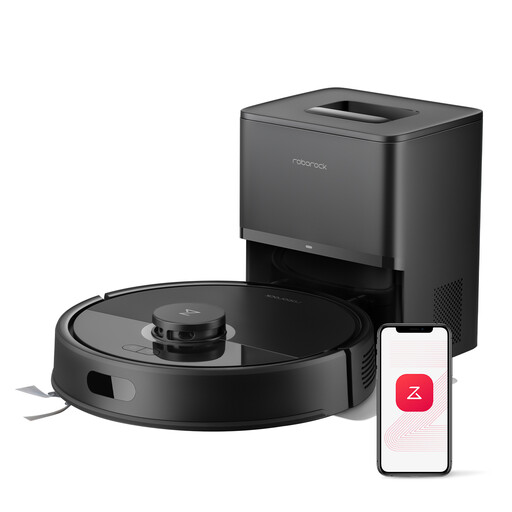 Image unavailable
For regular cleaning of accessible floors, this robot combines advertised LiDAR navigation, an auto-emptying station and a dual anti-tangle system. Its product listing states 8 000 Pa, but that figure alone won’t tell you how it performs on your carpets or hard floors. Check tests for this model and find out how to clean the brushes.
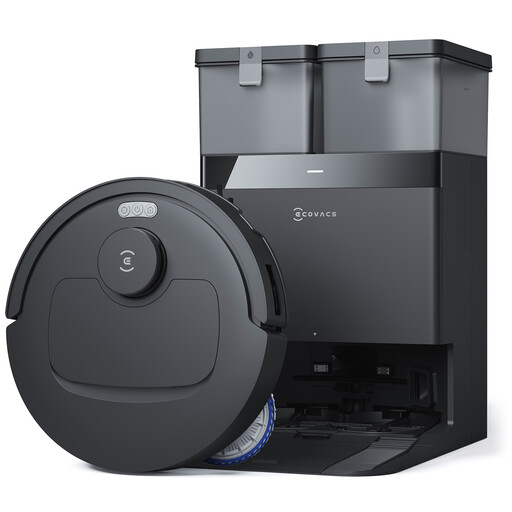 Image unavailable
This floor-cleaning robot combines an OMNI station, a ZeroTangle 3.0 brush and an advertised OZMO Turbo 2.0 mopping function. Its product listing states 25 000 Pa and mop washing at 75 °C, but these figures don’t indicate how well it picks up pet hair from every type of floor. Check tests for your flooring and the conditions for obstacle avoidance before starting a cycle.
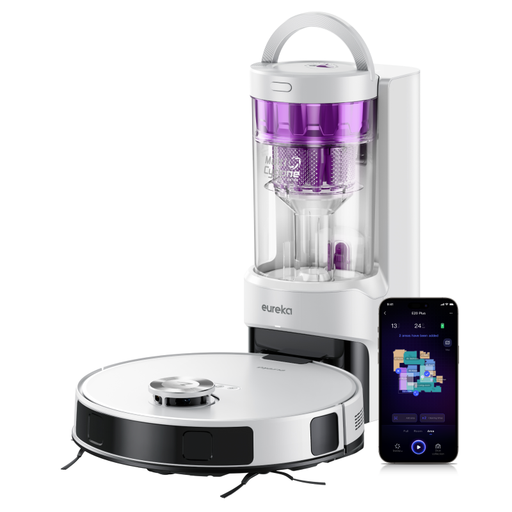 Image unavailable
For picking up pet hair from accessible floors, the model title lists an anti-tangle brush, app control and DuoDetect AI 3D obstacle avoidance. Confirm the exact variant before relying on its features: the title says E20 Plus, while the detailed description also mentions E20 Evo Plus. Clear the floor before each run until you’ve confirmed the obstacle-avoidance conditions for your chosen model.
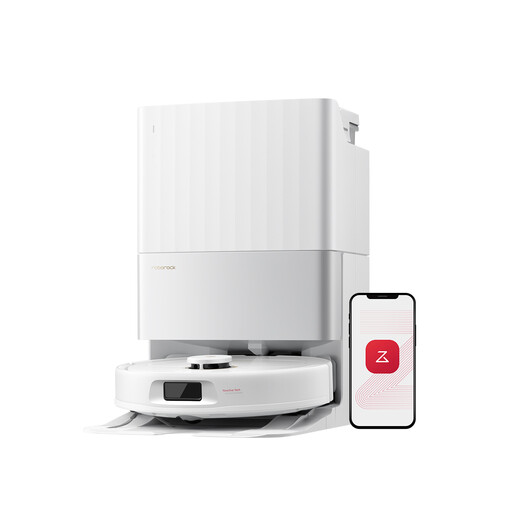 Image unavailable
This floor-cleaning robot is listed with a station, a dual anti-tangle system and FlexiArm mop pads, with hot-air drying also advertised. The 12 000 Pa figure in its title is no substitute for test results on your flooring. If you’re relying on regular automated runs, confirm how to schedule cycles and maintain the brushes.
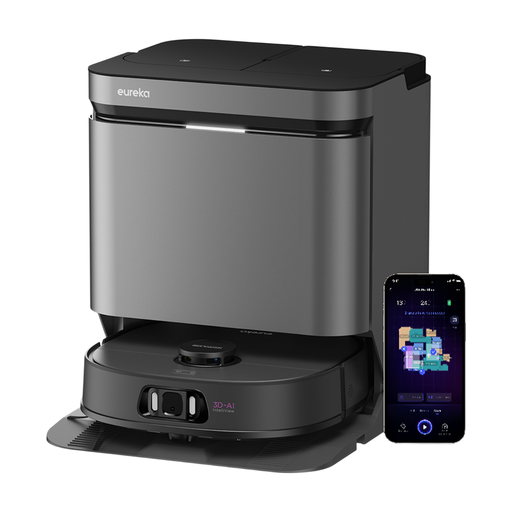 Image unavailable
This robot is described as having anti-tangle technology, liquid detection and a brush-lifting system for picking up pet hair from accessible floors. Its title states 16 200 Pa and hot-water cleaning at 75 °C. Check how it performs on your flooring rather than assuming these figures guarantee effective cleaning. If scheduled runs are part of the reason you’re buying it, confirm that this feature is available too.
Not on every surface. A robot can clean the floors it can reach, but you’ll still need a conventional vacuum cleaner with suitable attachments for furniture, soft furnishings, stairs and crevices.
Yes. Check it regularly and follow the maintenance instructions for your model. Roborock says that large amounts of hair can still cause problems for the main brush on some robots, so before buying, check how to remove and clean it.
Don’t assume every model can detect it. Pick up pet mess before the robot runs and check the obstacle-avoidance conditions for the exact model. iRobot Support notes, for example, that PrecisionVision is inactive while the relevant models are mapping or learning.