
Livraison le jour même ou le lendemain

Qualité garantie

Débloquez vos offres de bienvenue: Livraison GRATUITE | Jusqu'à -80 % | 30 jours d'essai gratuits à JoyPlus
Téléchargez l'application
The idea of a floor that cleans itself, without ever needing to refill a clean water tank or empty a dirty one, is no longer science fiction. The arrival of the robot vacuum and mop with a water hookup ushers in a new era of home care. But be warned: this cutting-edge technology comes with its share of marketing promises and potential pitfalls. Before investing in what could be the ultimate in autonomy, it's crucial to know how to distinguish genuine innovations from overrated gadgets.
This guide is here to break down the essentials and help you identify the features that truly matter, steering you clear of the 3 most common pitfalls.
To make the right choice, focus on the technical specifications that truly make a difference in performance and autonomy. Two criteria are non-negotiable.
The heart of the matter is the robot's automatic cleaning station. There are two main types:
A robot, no matter how autonomous, is useless if it doesn't clean effectively and thoroughly.
The right product will depend on your expectations for automation and your lifestyle. Here is our selection for three distinct profiles.
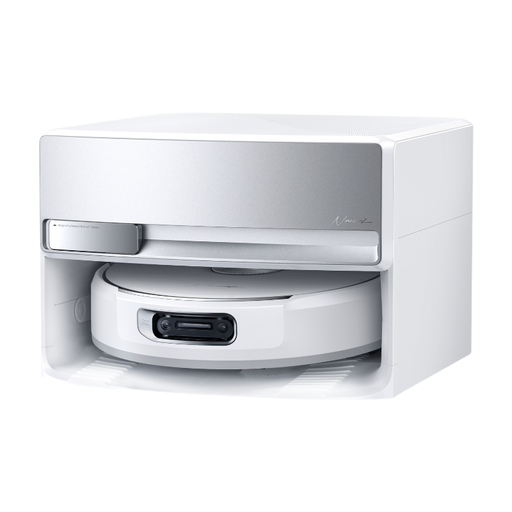
Why this profile? This user wants the ultimate solution to never think about floor cleaning again. For them, a plumbing connection isn't an option—it's THE feature that turns the robot into an appliance as autonomous as a dishwasher.
It sidesteps the "false autonomy" trap with its water hookup kit. Refilling, draining… everything is automatic. No more manual intervention is required.
100% automatic hookup, smart dirt detection to adapt power, and full control from the mobile app.

Why this profile? Fascinated by fine mechanics and engineering, whether in their home automation or hobbies, they love to dissect how things work—from a robot's algorithms to a supercar's gearbox.
This kit is the antithesis of a "black box" gadget. It offers an immersive building experience that lays bare every mechanical detail, satisfying their thirst for understanding.
A faithful 1:12 scale replica with a V6 engine with moving pistons, differential, and independent suspension. A demanding and rewarding building experience.
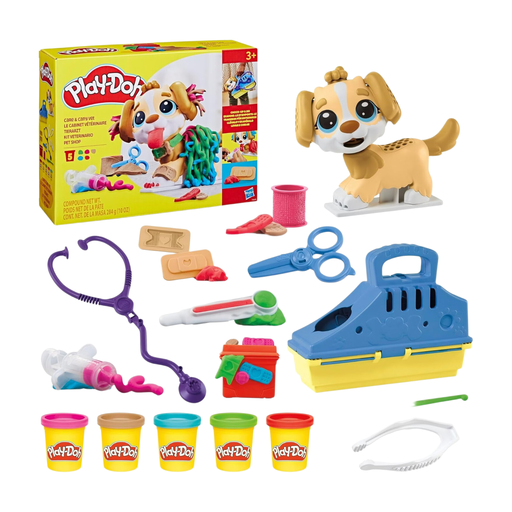
Why this profile? This parent sees technology as a way to free up time. The time saved on chores is quality time reinvested in creative, hands-on activities with the kids, away from screens.
They avoid the "all-screen" trap by offering a tangible alternative that stimulates imagination and interaction, while technology handles the thankless tasks.
Complete play kit with 10 tools and a carrying case. Ideal for developing fine motor skills and creativity in children aged 3 and up.
While your robot handles the cleaning, why not start a project that combines creativity and precision? Discover our hand-picked selection of products.
1. What's the difference between an auto-empty station and a water hookup? A standard auto-empty station is equipped with large tanks that you have to fill and empty by hand, usually once a week. In contrast, a system with a water hookup is plumbed directly into your home's water lines, making the process 100% automatic. No more dealing with tanks!
2. Is installing a robot vacuum with a water hookup complicated? Yes, and it shouldn't be underestimated: it requires professional installation. The process is very similar to installing a washing machine or a dishwasher. You need a cold water supply and a drain near the station. We strongly recommend hiring a plumber for a safe installation that meets all building codes.
3. Are these robots truly effective on tough stains? It all depends on their washing system. Entry-level models that just drag a damp cloth will be powerless against dried-on stains. For a flawless result, you need to look for robots equipped with rotating mop pads that scrub the floor with applied pressure, like the Narwal Flow. This type of mechanism is incredibly effective at tackling stubborn, ground-in dirt.