Households looking to automate regular cleaning
If you can keep your floors fairly clear and make room for a charging dock, a robot can clean regularly while you get on with other things. It’s still no substitute for a thorough clean by hand.


To keep accessible floors clean regularly without being there for every run, choose a robot whose mapping and scheduling features suit your home. A self-emptying station is worth considering if having to empty the bin frequently would put you off using it. Keep a stick or cylinder vacuum cleaner for stairs, furniture and hard-to-reach areas. UFC-Que Choisir reports that results vary across floor types and corners, while Les Numériques points out that robots can’t clean stairs or furniture. A mopping function doesn’t always mean you can skip mopping by hand.
Whether a robot is right for you depends mainly on the floors you need to clean and the jobs you actually want it to do.
If you can keep your floors fairly clear and make room for a charging dock, a robot can clean regularly while you get on with other things. It’s still no substitute for a thorough clean by hand.
Compare performance on your floor types, along edges and in corners, then check your home’s thresholds and obstacles. UFC-Que Choisir assesses these surfaces separately in its tests: being able to move around doesn’t necessarily mean the robot will clean well.
A self-emptying station can take care of this job after cleaning cycles. You’ll still need to maintain the robot’s and station’s brushes, filters and other components.
First decide whether you need the robot to clean on its own, then consider whether a station would make emptying the bin easier. Finally, think about the surfaces and areas you’ll still need to clean by hand.
Consider this if: you want to schedule cleaning on accessible floors and don’t mind emptying the bin regularly.
The trade-off: mapping features vary by model and don’t guarantee access to cluttered areas.
Consider this if: having to empty the bin often would put you off regular use, and you have a permanent spot for the dock.
The trade-off: the station takes up space and needs maintenance, depending on its design.
Consider this: as a complement for stairs and furniture, or as your main option if you prefer to clean yourself from time to time.
The trade-off: you’ll need to be there for every clean, unlike a robot’s scheduled cycles.
| Priority | What to check | What I need |
|---|---|---|
| Cleaning on its own | Check the scheduling, app compatibility and mapping features of the exact model. If you want to target specific rooms, check how it handles zones and multiple floors too. | I want accessible floors to be cleaned while I’m working or spending time with my family, without having to start every cycle myself. |
| Floors and obstacles | Look for tests covering your floor types, rugs, edges and corners. Check your home for thresholds, narrow passageways and items that may need moving. | If I have rugs or a layout with separate rooms, I want to know where the robot can go and what it will actually clean. |
| Emptying and maintenance | Check whether the station only empties the bin or also looks after the mop pads. Find out how much space it needs, how it collects dust and what maintenance is still required. | Having to empty a small bin after frequent cleaning cycles could make automation less useful for me. |
| Mopping function | Look for mopping tests on the floor type in question and check how the robot handles wet rugs. For wooden floors, check the recommendations from both the floor and robot manufacturers. | I want to cut down on light cleaning of hard floors, without assuming built-in mop pads will replace mopping by hand. UFC-Que Choisir reports that most of the robot mops it tested on tiles delivered inadequate results. |
| Areas to clean by hand | Make a note of stairs, furniture and skirting boards before deciding whether you’ll still need a manual vacuum cleaner. | If these areas are a big part of my home, I’d rather keep a stick or cylinder vacuum, even if I have a robot. Les Numériques points out that a robot can’t climb stairs or clean furniture. |
A robot may still struggle with stairs, thresholds and obstacles. UFC-Que Choisir measures how well models clean different floor types, edges and corners separately.
Identify the tricky areas in your home and look for tests on the surfaces you have, rather than choosing based on run time alone.
Automatic emptying means less handling of the dust container, but brushes, filters, sensors and any mop pads still need attention.
Check exactly what the station does, where it will go and how easy it is to reach the parts that need cleaning.
Depending on the design, you may also need to replace bags or manage a dust container or water tanks.
In its tests of robot mops on tiles, UFC-Que Choisir found that most of the models tested delivered inadequate cleaning. These results don’t show how robots perform on every other type of flooring.
Check stain-removal tests and the care instructions for your flooring before using a wet-cleaning function, especially on wood.
Scheduling and mapping may depend on a compatible app. In France, vacuum cleaners are among the product categories covered by the repairability index, according to the ministry responsible for the ecological transition.
Check which app you need, how updates work and the repairability score shown for the model you’re considering.
These examples can help you identify features to compare. Always check performance for the specific robot model you’re considering.
Les Numériques includes the Dreame X40 Ultra Complete, L40s Pro Ultra and X40 Master in its selection of robots with automatic emptying.
Les Numériques includes the Deebot N20 Plus in its selection of robots with automatic emptying.
iRobot France says its Roomba Mini features LiDAR navigation and an AutoEmpty dock.
These models fit the option of using a robot with a station for regular cleaning. Compare their advertised features with your home’s layout. They won’t, on their own, take care of the jobs you’ll still need a manual vacuum cleaner for.
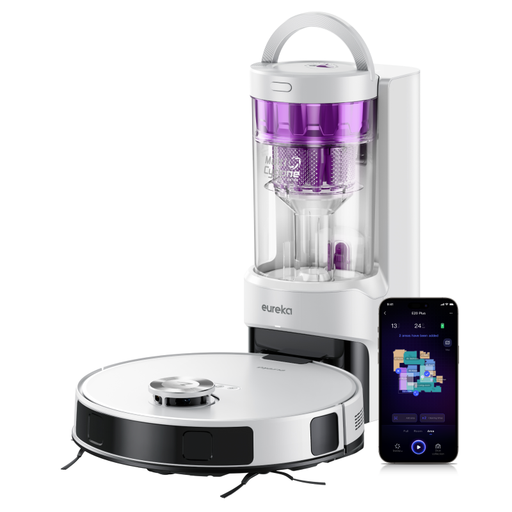 Image unavailable
Worth considering if you want to combine automated cleaning with a dust-collection station. The product name advertises 8,000 Pa suction and app control. Compare performance on your floors and check the electrical version on offer before buying.
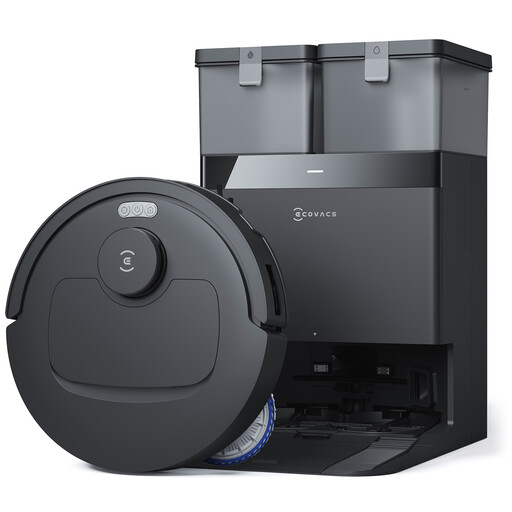 Image unavailable
This robot with a mopping function and OMNI station is designed for households looking to automate some of their floor care. Its product name advertises 25,000 Pa suction and mop washing at 75 °C. These features don’t guarantee results on rugs, along edges or on stains. Check the electrical version on offer.
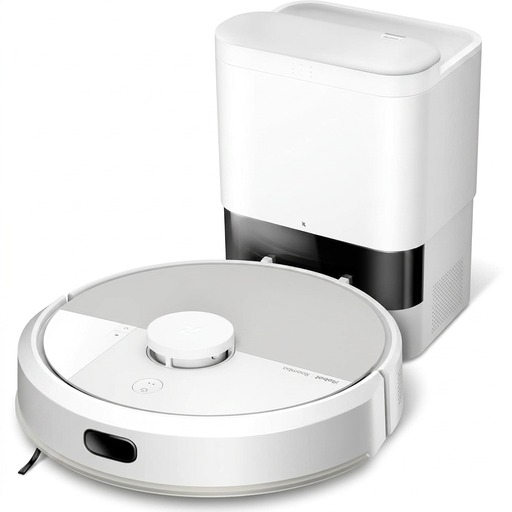 Image unavailable
This model with a mopping function is worth considering if you’re looking for a robot with a self-emptying base. Before relying on it for regular cleaning, check how it handles your rugs, how well it performs on your floors and whether the version on offer is electrically compatible.
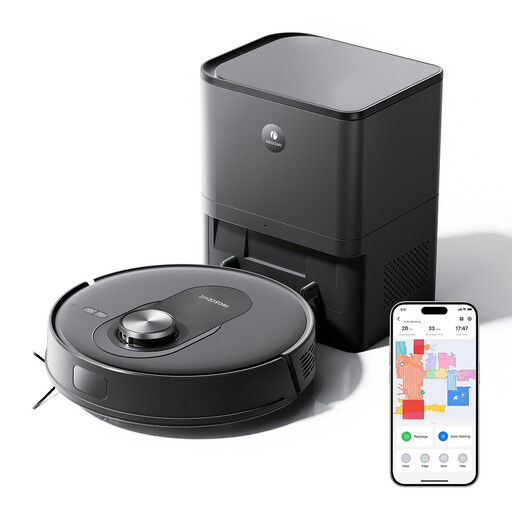 Image unavailable
According to its product name, this robot with a mopping function combines LiDAR navigation, mapping and a self-emptying station. It advertises 8,000 Pa suction and a 200-minute run time. Check that it’s compatible with your network and the electrical version, and see how it performs on your rugs.
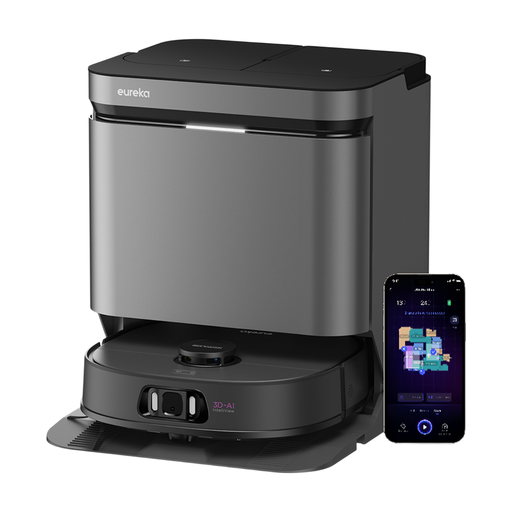 Image unavailable
This robot with a mopping function could be a good choice if you want to cut down on the work you need to do after cleaning cycles. Its product name advertises 16,200 Pa suction. If room-by-room scheduling matters to you, check that feature, along with performance on your floors and the electrical compatibility of the version on offer.
Not if you also need to clean stairs, furniture or skirting boards. Les Numériques highlights these limitations of robot vacuums. A manual vacuum cleaner is still useful for these areas and for occasional cleaning, even if a robot regularly cleans your accessible floors.
Choose one if having to empty the bin often could put you off using the robot regularly and you have space for the dock. It means less handling, but you’ll still need to maintain the parts specified by the manufacturer, including the brushes and filters.
Look for tests on the type of rug you have, then check how the specific model detects rugs and manages its mop pads. UFC-Que Choisir tests performance across different surfaces. A review posted in the Darty customer service community also describes a particular model ignoring a rug, but that doesn’t mean all robots behave the same way.
No. UFC-Que Choisir’s test of robot mops covers tiles and found that most of the models tested delivered inadequate cleaning. In this context, it advises against using them on wood, especially solid wood. Check the care instructions from your flooring manufacturer and the robot manufacturer before wet cleaning.
Check the repairability index displayed for the model you’re considering. The ministry responsible for the ecological transition says vacuum cleaners are among the product categories covered. The index tells you about repairability, not cleaning performance.