
Livraison le jour même ou le lendemain

Qualité garantie

Débloquez vos offres de bienvenue: Livraison GRATUITE | Jusqu'à -80 % | 30 jours d'essai gratuits à JoyPlus
Téléchargez l'application
A floor that cleans itself? That's the dream. It's the promise of robot vacuums and mops equipped with a station: a machine that vacuums, mops, then dutifully returns to its base to empty its dustbin, clean its mops, and recharge. But beware, behind the slick marketing often lie disappointing devices sold at a premium.
To avoid turning this investment into regret, you need to read between the lines of the spec sheets. Some models, even the most expensive ones, are riddled with flaws that ruin the daily experience. Our guide is here to arm you against deceptive bargains and help you choose the model that will truly deliver on its promises.
To ensure you make the right choice, don't get distracted by marketing claims. Here are the three technical points that truly matter.
The station is the true heart of the automation. Its role isn't just to recharge the battery.
A good robot vacuum with mapping is the key to a methodical and complete clean.
Real-world effectiveness happens at floor level. The design of the brushes and mops is therefore crucial.
Here are a few options that meet specific needs, chosen according to our performance and reliability criteria.
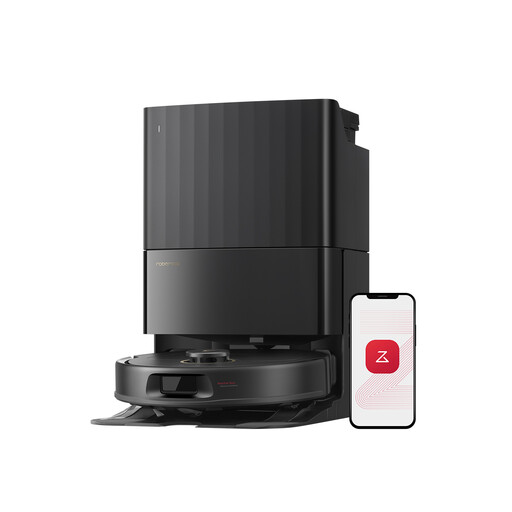
Editor's Pick: Its ultra-comprehensive station handles everything: washing and drying the mops, emptying the dustbin, and refilling the water tank. It's the ideal "hassle-free" solution for large homes and for those who want to forget about the chore of cleaning.
Thanks to the hot air drying integrated into its station, it puts an end to the nightmare of damp, smelly mops—a plague on less advanced models.
12,000 Pa suction and FlexiArm rotating mops that extend for impeccable edge cleaning. Intelligent navigation with obstacle avoidance.
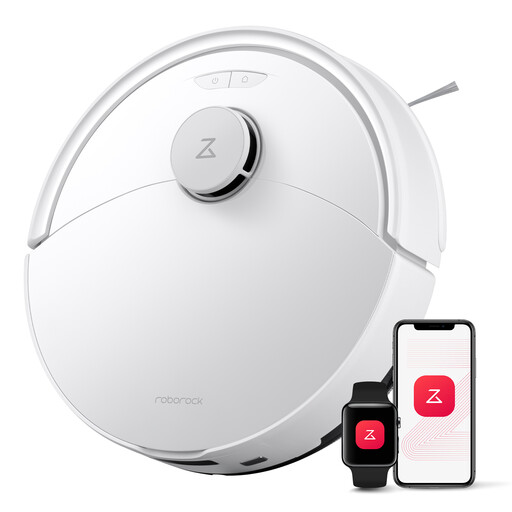
Editor's Pick: Specifically designed for the challenges of pet hair. Its brush system is engineered to capture fur without tangling, and its suction power is perfect for dislodging it from carpets and rugs.
It doesn't just boast high power. Its dual anti-tangle system tackles the root of the problem of hair and fur blocking the brushes—a real headache on other models.
10,000 Pa HyperForce suction and PreciSense LiDAR navigation for pinpoint-accurate mapping. The automatic mop-lift protects carpets.
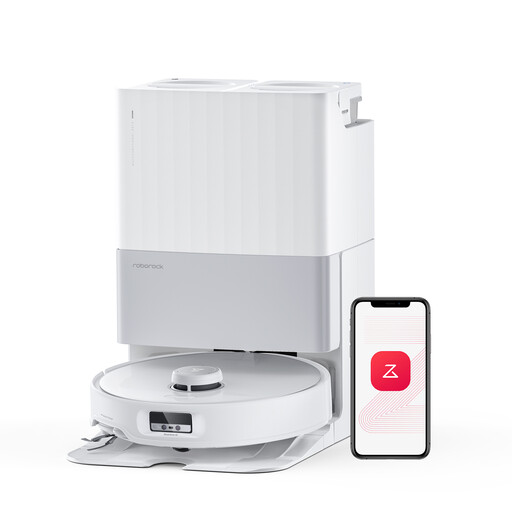
Editor's Pick: The ultimate weapon for complex interiors full of furniture and corners. Its unique technology tackles the areas that classic round robots miss, like along baseboards and around table legs.
It demolishes the problem of incomplete coverage thanks to its articulated FlexiArm Design, which extends the mop to reach dirt in every nook and cranny. The clean is finally, truly complete.
Station with hot water mop washing (75 °C) for impeccable hygiene. Colossal suction power of 18,500 Pa and an anti-tangle system.
Our editorial team has tested and selected other models that meet our demanding criteria.
You can expect a lifespan of 2 to 4 years before the battery shows normal signs of degradation. Consumables (brushes, filters, dust bags) should be replaced every 2 to 6 months depending on your usage to ensure maximum efficiency. Regular cleaning of the sensors and charging contacts is also essential to keep it in top shape.
No, the installation is very simple, but make sure you have enough space! Most stations are placed against a wall on a hard floor, with about 0.5 metres of clearance on each side and 1.5 metres in front so the robot can manoeuvre freely. Then, just plug it in, fill the clean water tank, and follow the in-app instructions to connect the robot to your Wi-Fi.
For daily maintenance, absolutely. A quality floor cleaning robot maintains an excellent, consistent level of cleanliness by managing dust, crumbs, pet hair, and light stains. It won't completely replace the elbow grease needed for a deep spring clean or for stairs, but it will save you a significant amount of time each week.