
Livraison le jour même ou le lendemain

Qualité garantie

Débloquez vos offres de bienvenue: Livraison GRATUITE | Jusqu'à -80 % | 30 jours d'essai gratuits à JoyPlus
Téléchargez l'application
A robot vacuum mop can cut down on sweeping, daily vacuuming and floor washing. But not all models are created equal. A docking station that's too bulky, a mop that struggles with rugs, or a brush that tangles with hair can quickly make the appliance far less practical than you'd hoped.
Before comparing deals, it's worth looking beyond the advertised suction power and checking the features that will actually be useful in your home.
A robot vacuum boasting 16,200 Pa might seem particularly powerful, but this figure alone isn't enough to judge its performance. The brush design, airflow, filter, floor contact and rug management all play a decisive role too.
On hardwood, tiles or laminate flooring, a good side brush and effective cleaning along skirting boards can prove more useful than a max mode used constantly. On carpet, also check for automatic rug detection and automatic power boost.
A robot vacuum with a self-cleaning station doesn't operate without any intervention. You'll generally need to refill the clean water tank, empty the dirty water, clean the filters and keep an eye on the brush condition.
All-in-one stations do reduce daily handling, though. Depending on the model, they can automatically empty the dust, wash the pads and dry them with hot air. Remember to check the tank capacity as well as the space available around the station before installing it.
LiDAR navigation and obstacle detection make mapping easier, but no system completely eliminates the need to tidy the room. Thin cables, small toys, socks and spilled liquids can still disrupt the robot's movement.
To limit unpleasant surprises, use the app to create no-go zones and remove fragile items before the first mapping cycle.
If you live with a dog or cat, go for an anti-tangle brush, a side brush designed to reach corners and easy access to removable parts. Anti-tangle systems can reduce interventions, but they don't eliminate the need to regularly remove hair and long fibres.
High suction power is especially useful on rugs, carpets and in crevices. To decide between two appliances, also look at the available modes, the stated noise level and the dustbin capacity.
A robot vacuum with a mop doesn't behave the same way on all floor coverings. In particular, check:
A lift of 10 mm, like the one claimed on certain Eureka models, can help avoid wet contact with a rug. For set-in stains, automated mopping won't replace targeted manual cleaning, though.
LiDAR technology creates a structured map of rooms, even in low light. It's particularly useful in homes with several rooms, hallways or multiple levels. Also check the robot's height to make sure it can fit under your furniture.
The stated battery life varies depending on the mode used, the power selected and the area to be cleaned. A battery life of up to 180 minutes can suit an apartment or a medium-sized house. The robot also needs to be able to return to its station to recharge and resume its cycle.
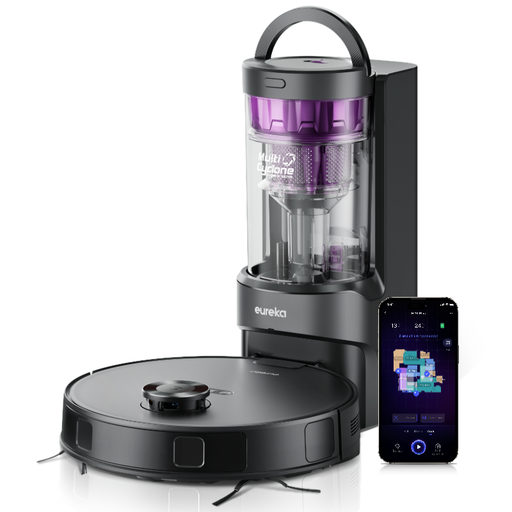
Why this choice suits this profile: Its bagless 2-litre station, app and stated battery life of up to 180 minutes make it a fairly simple model to use on hard floors as well as rugs.
The automatic mop lifting of up to 10 mm limits the risk of contact with rugs when a textile surface is detected.
Stated suction of 8,000 Pa, 3D obstacle detection and compatibility with voice commands.
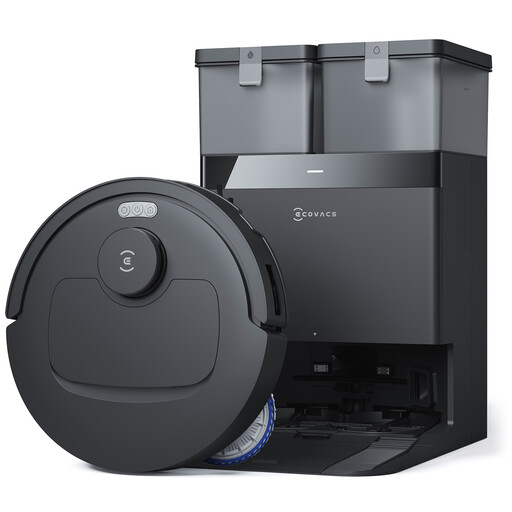
Why this choice suits this profile: Its OMNI station centralises emptying, washing and drying the pads, as well as water refilling, to minimise handling as much as possible.
The pad washing at 75 °C, followed by hot air drying, prevents leaving the mops damp between cycles.
Stated power of 25,000 Pa, dual rotating pads and automatic rug detection.
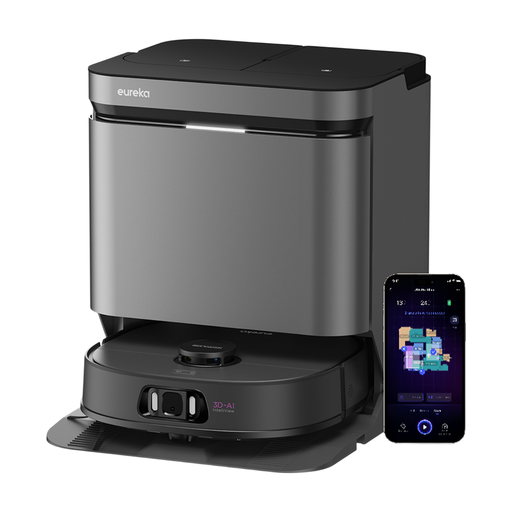
Why this choice suits this profile: Households with pets or large areas will appreciate its strong suction, hair management and station that reduces manual maintenance.
The FlexiRazor brush, claimed to be anti-tangle, along with the lifting of the brush and pad, target common problems related to hair and rugs.
Stated suction of 16,200 Pa, LDS navigation with RGB camera and pad washing with hot water at 75 °C.
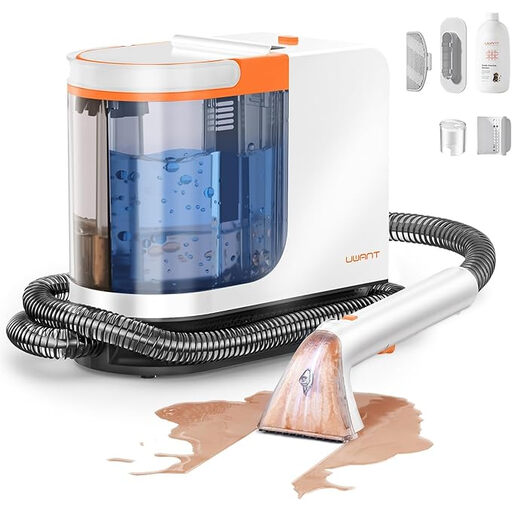
Why this choice suits this profile: This appliance complements a robot by allowing you to treat rugs, sofas, car seats and localised stains on an ad-hoc basis.
It doesn't claim to replace a robot for daily use: its specialised format is suited to splashes and textile areas that are difficult to clean.
Stated suction of 18,000 Pa, separate clean and dirty water tanks and a self-cleaning function.
We've selected a comprehensive, real-time updated list of products that meet these demanding selection criteria and European safety standards.
Install the station on a flat floor, against a wall, leaving enough space on the sides and in front for the robot to dock. During the first mapping, open the doors and remove cables as well as small objects that could obstruct its path.
To preserve the appliance's performance:
If you're looking for a complementary appliance, a cordless wet and dry vacuum will be handy on hard floors and for quickly dealing with spills. A carpet and upholstery cleaner will be more suited to sofas, stairs and localised stains.
It automates routine maintenance, but doesn't necessarily replace manual cleaning of old stains, stairs or hard-to-reach areas. A manual pass is sometimes still needed, depending on the floor covering and the level of dirt.
It all depends on the price of compatible bags, filters, brushes, pads and detergent. Models with a bagless bin can reduce consumable costs, while stations that use bags require regular replacement. Before buying, check the availability and price of spare parts.
Yes, provided the manufacturer allows this floor type and the water flow is adjustable. Choose moderate dampening, avoid puddles and set a no-go zone on fragile or insufficiently protected surfaces.