
Livraison le jour même ou le lendemain

Qualité garantie

Débloquez vos offres de bienvenue: Livraison GRATUITE | Jusqu'à -80 % | 30 jours d'essai gratuits à JoyPlus
Téléchargez l'application
The promise of spotless floors without lifting a finger is certainly appealing. That's exactly what robot vacuum and mop combos with a station offer: fully automated cleaning, from vacuuming dust to mopping floors, and even their own maintenance. However, behind the marketing jargon often lie disappointing devices. A robot that constantly gets stuck, a station that requires more upkeep than the robot itself, or a mop that just spreads dirt around are all-too-common frustrations.
To avoid disappointment, you need to learn how to sidestep the pitfalls and identify the features that truly matter—the ones that ensure genuine autonomy and rock-solid performance.
Autonomy is the number one promise of these devices. But be warned: a few design flaws are all it takes to turn this dream assistant into a real headache.
To make the right choice, you have to look beyond the spec sheets and analyse the synergy between the different components. Here are the three pillars of a robot vacuum and mop that truly delivers on its promises.
The station is the cornerstone of true autonomy. It must do much more than simply empty dust, like a basic robot vacuum with auto-empty. Here are the must-have features:
A good navigation system is what separates a gadget from a genuine cleaning tool. Robot vacuum mapping technologies have made giant leaps.
A good floor-mopping robot must be as good at vacuuming as it is at mopping. The two go hand in hand.
Rather than an endless list, we've selected three models that meet specific needs, based on the performance and autonomy criteria we've just detailed.
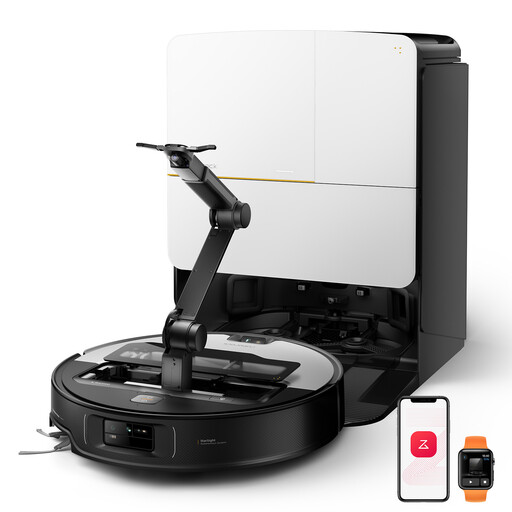
Why it stands out: This robot is built for those who want the absolute best in technology. It combines phenomenal suction power, AI-supercharged navigation, and an ultra-comprehensive station that washes the mops with hot water. The result? A deep clean and maximum hygiene.
Its AI-supercharged navigation avoids the classic pitfall of a robot getting stuck. Its multi-function station (hot water washing, drying) puts an end to the myth of "falsely autonomous" stations.
The winning trio: 22,000 Pa of suction power, the FlexiArm Riser edge-cleaning arm, and hot-water mop washing. A formidable all-in-one solution.
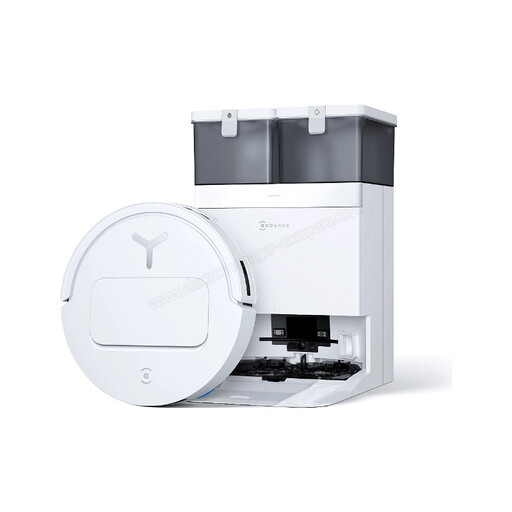
Why it stands out: Specially designed to tackle pet hair and long hair. Its high suction power and anti-tangle technology make it the perfect ally for keeping a home spotless, even with four-legged friends.
It tackles the nightmare of tangled brushes head-on with its ZeroTangle 2.0 technology. Here, the 15,000 Pa isn't just a marketing gimmick: the power is genuinely optimised to dislodge hair embedded in carpets.
Its state-of-the-art anti-tangle system, combined with the TruEdge extendable side brush that hunts down hair along walls and in every corner.
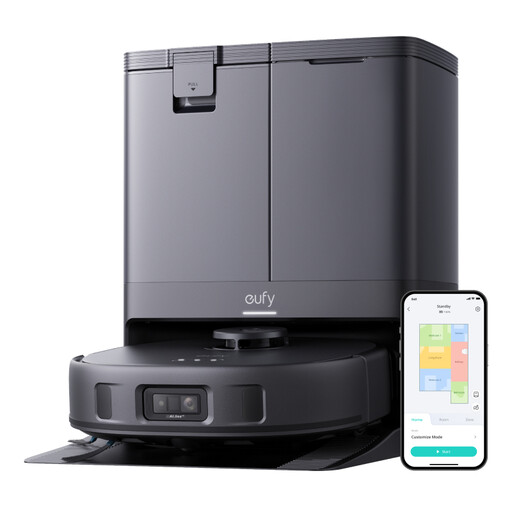
Why it stands out: Perfect for homes where happy chaos reigns. Its ability to identify and navigate around over a hundred objects (toys, shoes, cables) makes it ultra-reliable in a family home where clutter is a fact of life.
Its AI.See technology is the perfect answer to the pitfall of "smart" but clumsy navigation. It doesn't just see an obstacle; it identifies it and adapts its path to ensure a complete cleaning cycle without you having to intervene.
Its high-performance obstacle avoidance system, coupled with a self-detangling roller brush and an all-in-one station (washing, drying, emptying).
Explore our full selection of products that meet our demanding selection criteria and current safety standards.
Even the most sophisticated models require minimal maintenance. You'll need to remember to:
It's a genuine advantage. Just like when you're washing dishes, hot water is incredibly effective at dissolving grease and sticky stains (dried juice, food spills...) far more efficiently than cold water. For families with young children or for an impeccable kitchen clean, this feature provides a real boost in hygiene.
No, the process is child's play today. On its very first run, the robot travels through your home to scan it with its LiDAR sensors. A detailed map of your interior then appears in the mobile app. From the app, you can then easily name rooms, create no-go zones (around the dog's bowl, for example), or launch a targeted cleaning of a specific area. The entire operation rarely takes more than 10 to 20 minutes for an average-sized home.