
Livraison le jour même ou le lendemain

Qualité garantie

Débloquez vos offres de bienvenue: Livraison GRATUITE | Jusqu'à -80 % | 30 jours d'essai gratuits à JoyPlus
Téléchargez l'application
A spotless floor without lifting a finger? It's a tempting promise, and it's exactly what robot vacuum and mops are designed to deliver. But faced with a jungle of technical jargon and marketing claims, finding the right one can be overwhelming. Before you buy, it's crucial to distinguish between life-changing features and mere marketing gimmicks. This guide breaks down the essential points to check for a successful purchase.
Diving into the world of robot floor cleaners can sometimes feel like navigating a minefield. Many people regret their purchase over details that initially seemed insignificant. Here are the most common pitfalls to avoid.
connected vacuum worthy of the name must map your space for a methodical, optimized clean.robot vacuum with an auto-empty and wash station promises almost complete autonomy. A major asset. However, some stations are an ergonomic nightmare, featuring tiny water tanks, inaccessible filters, and a mop-washing system that becomes a breeding ground for bacteria (and odours) without hot-air drying.To sidestep these pitfalls, focus on the key technical specifications that genuinely impact performance and durability.
Power, expressed in Pascals (Pa), measures the robot's suction force. A high value (over 5,000 Pa) is a great starting point, especially if you have carpets or rugs.
But this raw power is useless without a capable brush system to match. For a robot vacuum for pet hair, a dual rubber brush system is often the best solution. It prevents the nightmare of tangled hair and fur, guiding them effectively towards the suction inlet, unlike traditional bristle brushes that tend to trap everything.
The way the robot navigates is a fundamental criterion. The highest-performing models feature LiDAR navigation (an acronym for Light Detection and Ranging).
Far more than just a charging base, the station has become the robot's true command center. The most comprehensive models offer features that drastically reduce your intervention?:
Because every home is unique, here is a selection of models that meet specific needs, all vetted against our stringent performance and reliability criteria.
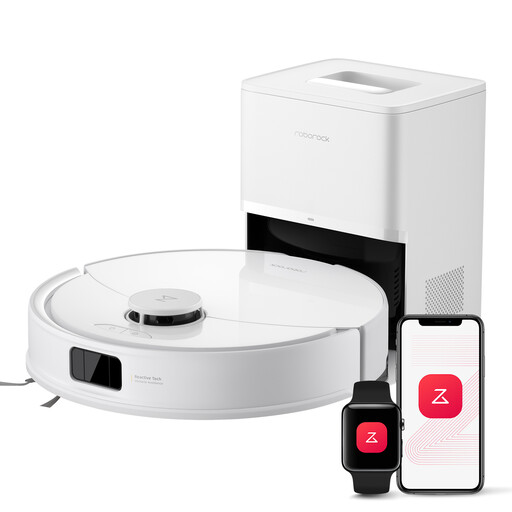
Why it stands out : Specifically designed for homes with pets, this model combines high suction power with a brush system optimized for fur. Its auto-empty dock, which offers up to 7 weeks of hands-free convenience, is a true daily relief.
It doesn't just boast impressive raw power. Its dual anti-tangle brush system is the key : it's designed to suck up hair without wrapping it, avoiding the classic clogs of traditional brushes.
10,000 Pa suction. Auto-empty dock (up to 7 weeks). PreciSense LiDAR navigation for pinpoint mapping.
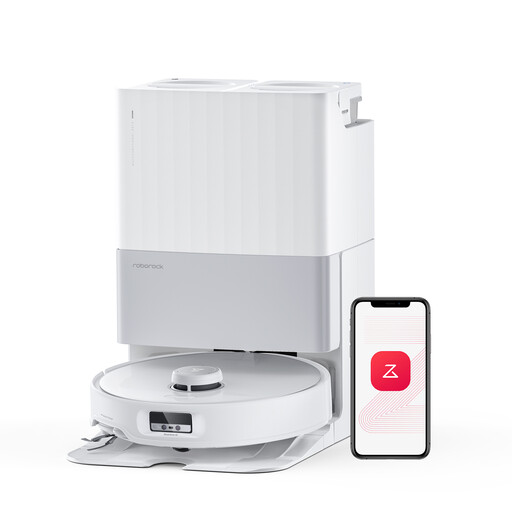
Why it stands out : For those whose every minute counts, this model is the "zero mental load" solution. Its multifunctional station handles everything : dust, mop washing, and drying, reducing maintenance to an absolute minimum.
It tackles the weak point of many stations : maintenance. With mop washing in 75 °C hot water and hot-air drying, it actively prevents the growth of odours and bacteria—a deal-breaking flaw on basic models.
Ultra-comprehensive all-in-one station. Overpowering 18,500 Pa suction. FlexiArm Design technology for impeccable edge and corner cleaning.
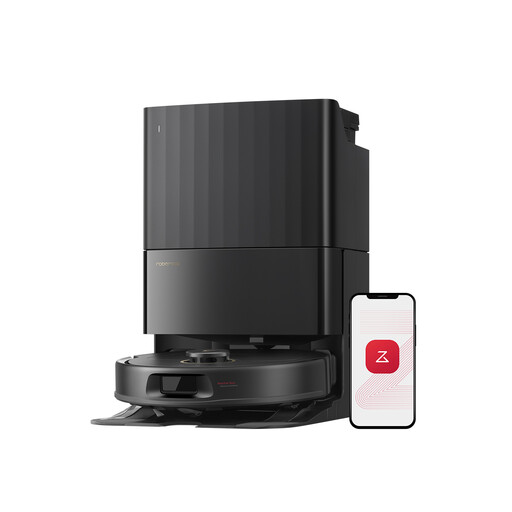
Why it stands out : For geeks and home automation fans, this robot is a technology powerhouse. It pairs LiDAR navigation with AI obstacle avoidance, allowing it to intelligently recognise and navigate around everyday traps like stray shoes or cables.
Forget "fake" smart navigation. In addition to its LiDAR mapping, its Reactive AI system identifies small obstacles in real time that other robots simply push around or get stuck on. Say goodbye to jams and minor domestic disasters.
Reactive AI intelligent obstacle avoidance. 12,000 Pa suction. FlexiArm rotating mops for a deep clean.
Discover our full selection of products that meet our demanding selection criteria as well as European safety standards.
The longevity of a robot vacuum depends on its build quality and, most importantly, its maintenance. On average, you can expect a lifespan of 3 to 5 years. To extend it, regular upkeep is essential: cleaning the brushes, filters, and sensors, and replacing consumables (brushes, filters, bags) as recommended by the manufacturer. The battery is often the first component to wear out; the good news is that it's replaceable on most recent models.
For everyday upkeep, a good robot vacuum and mop can absolutely maintain an excellent level of cleanliness and replace a canister vacuum for most tasks. It's unbeatable for daily dust, hair, crumbs, and other debris. However, for a deep spring cleaning, inaccessible corners, baseboards, curtains, or your car, a canister or stick vacuum remains an indispensable companion.
Essential, no. But it is very highly recommended to avoid disappointment. A robot without LiDAR navigation (which often uses a simple gyroscope) will navigate more erratically. It will be less effective in large spaces or complex homes. LiDAR ensures precise mapping, faster cleaning cycles, and access to advanced features (no-go zones, targeted cleaning, etc.). It's an extra cost that is fully justified by the time and efficiency gains.