
Livraison le jour même ou le lendemain

Qualité garantie

Débloquez vos offres de bienvenue: Livraison GRATUITE | Jusqu'à -80 % | 30 jours d'essai gratuits à JoyPlus
Téléchargez l'application
A robot vacuum and mop can make daily upkeep of hard floors and carpets much easier. However, marketing claims alone are not enough to help you make the right choice. High suction power does not necessarily guarantee effective removal of pet hair, while an ultra-comprehensive base station can quickly become cumbersome in a flat.
Before placing your order, focus on three criteria: how much maintenance is genuinely automated, how well the robot navigates your home and whether it is compatible with your different floor coverings.
Figures such as 6,000 Pa, 12,000 Pa or 18,500 Pa refer to the maximum suction pressure stated by the manufacturer. They are not enough to assess real-world performance. Brush design, airflow, the amount of dust and the type of carpet also play an important role.
When comparing powerful robot vacuums, also look at:
An automatic emptying station removes dust from the robot’s dustbin, but it does not necessarily wash the mop pads. If you are looking for a robot vacuum with a self-cleaning station, check the functions provided carefully: automatic tank filling, wastewater collection, detergent dispensing, hot-water mop washing and hot-air drying.
A comprehensive station also takes up a considerable amount of space. Measure the available area and make sure you can easily access the tanks, bags and the various components that need maintaining.
LiDAR, cameras and smart detection systems make it easier for the robot to move around, but no appliance can operate without some basic preparation. Cables, small toys, spilled liquids and fragile objects could block the appliance or even damage it.
Before each cycle, remove lightweight objects and set up no-go zones in the app, particularly around pet bowls, stairs and carpets that are not suitable for mopping.
In a home with pets, a main brush designed to reduce hair and fur tangles is particularly useful. For carpets, also check whether the mop lifts automatically. Some models state a specific lifting height, but compatibility always depends on the carpet’s thickness and texture.
Advertised figures, such as 18,500 Pa suction, remain manufacturer specifications. They can help you compare appliances, but they are not a universal measure of cleaning quality.
A robot vacuum and mop is primarily designed for everyday maintenance of hard floors. It does not necessarily replace manual cleaning for ingrained stains, and you should never use it to vacuum up large quantities of liquid.
A station that can wash the mop pads with hot water reduces the amount of handling required between cycles. Hot-air drying reduces residual moisture and the risk of unpleasant smells, but you will still need to empty the dirty-water tank and clean the washing tray regularly.
LiDAR or smart mapping generally allows you to create rooms, define zones and draw virtual walls. Also check compatibility with your home network: several models work only with 2.4 GHz Wi-Fi.
For a large area, a stated battery life of 180 to 210 minutes can be useful. In practice, running time varies according to the mode used, the selected power level, the number of passes and the layout of your home. At a minimum, the app should let you schedule cleaning times, select rooms and choose between vacuuming, mopping or combined cleaning.
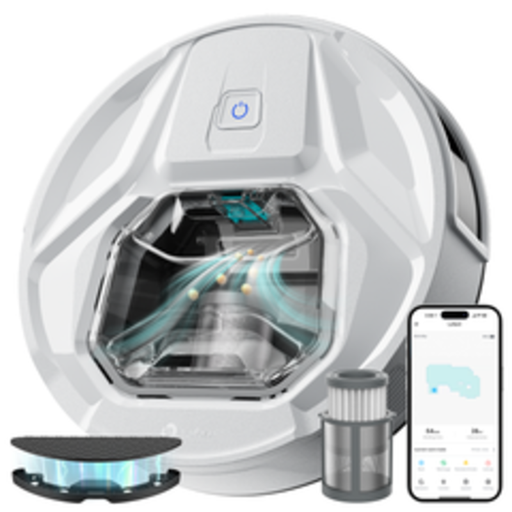
Why this choice suits this profile : It combines vacuuming and mopping in an affordable format, with a stated battery life of up to 210 minutes and control via a mobile app.
Its product information clearly distinguishes the 2-in-1 functions from manual maintenance of the dustbin, tank and brushes : you should not mistake it for an all-in-one station.
Stated suction power of 6,000 Pa, cleaning for hard floors and carpets, scheduling and mode selection via the app.
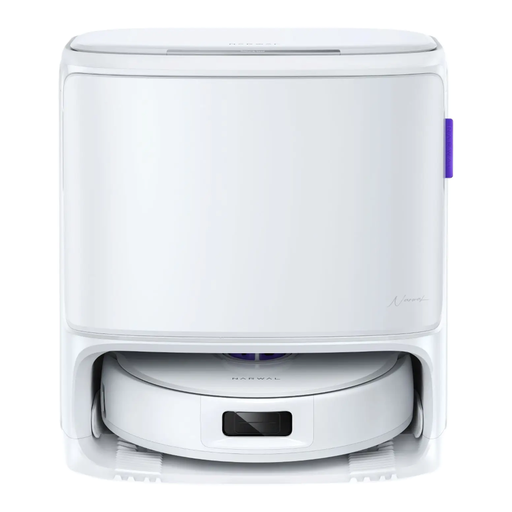
Why this choice suits this profile : Its station automates several maintenance tasks, while its mapping features adapt well to homes with multiple rooms.
The product information clearly separates the stated 18,500 Pa suction power from other functions, such as hot-water washing, drying at 40 °C and automatic emptying.
LDS navigation with 3D mapping, a 2.5 L dust bag stated to last for around 120 days depending on use, obstacle detection and hot-air drying.
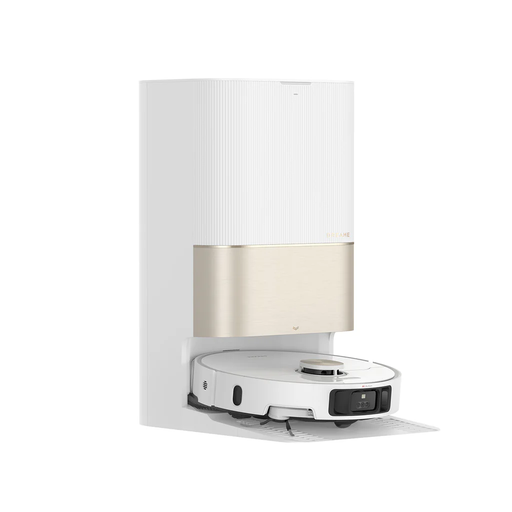
Why this choice suits this profile : It is designed for homes where you want to automate emptying, washing and drying after every cleaning session.
The station specifies mop-pad washing at 70 °C and hot-air drying. However, it requires a clear space and regular tank maintenance.
Stated suction power of 12,000 Pa, 6,400 mAh battery, hot-water washing up to 70 °C and automatic pad lifting.
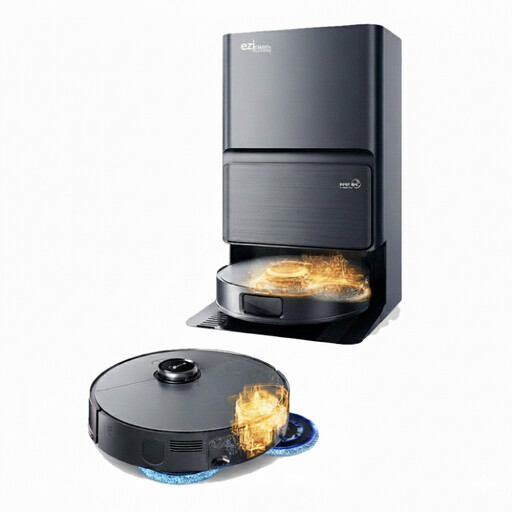
Why this choice suits this profile : Its station and 2.4 GHz Wi-Fi-compatible app are suitable for households that want to minimise hands-on maintenance while retaining precise zone management.
The capacities are listed separately : a 2.8 L bag, 4 L tanks, mop washing and drying at 60 °C. This makes it easier to anticipate the space required and the cost of consumables.
Stated suction power of up to 14,000 Pa, X4 LiDAR mapping, 8 mm mop lifting and a station with automatic emptying, washing and drying.
We have brought together a complete, real-time selection of products that meet these exacting criteria while complying with European safety regulations.
Yes, some models vacuum carpets while automatically lifting their mop pads. Nevertheless, check the maximum supported thickness, the settings that allow you to exclude certain areas from mopping and whether it has a brush designed for pet hair. A very thick carpet or one with long fringes may still require manual cleaning.
It depends on the price and replacement frequency of compatible dust bags, filters, brushes, mop pads and cleaning products. An automatic emptying station reduces the amount of handling required, but it does not eliminate consumables. Before buying, check the availability and price of replacement parts.
It varies according to how often the appliance is used, how well it is maintained, the condition of the battery and the environment in which the robot operates. To keep it in good condition, clean the sensors and brushes regularly, keep the filters dry, avoid standing liquids and use only the station and accessories recommended by the manufacturer. Lithium-ion batteries and appliances at the end of their service life must be taken to an appropriate WEEE recycling facility.